Poker launched on Chess.com as crossover appeal increases
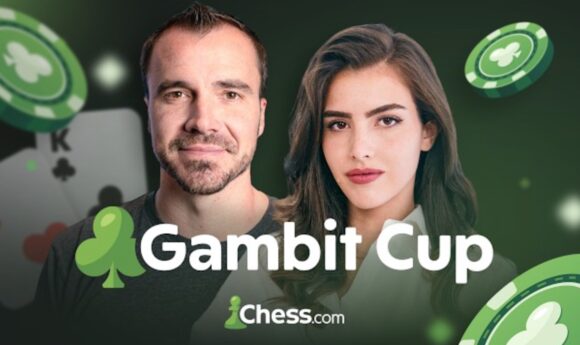
The world's most popular real money chess site, Chess.com, now offers players a chance to play poker within their website. Gambit, which launched this week, is free to play and allows chess players to learn the basics of poker before they take on their friends, AI bots, or other Chess.com members who are online. It is the latest crossover between two games that used to sit at polar opposites of the spectrum and now seem closer than ever.
Chess.com is the most-used site by new chess players, and this latest innovation is less an aim to send players over to poker sites and more an attempt to offer them the experience of playing poker within a chess site. Back in May, the site's Chief Growth Officer, Albert Cheng, said: "Here's what it is – a poker site built for learning. No real-money gambling. No rake. Just the parts of the chess playbook that have made it work for millions of people, applied to poker."
With other free-to-play poker sites and apps often then guiding players towards in-game purchases, Chess.com's desire to teach the game for fun rather than push it for gambling is a morally strong stance and has met with backing from chess players who enjoy poker, such as chess grandmaster Alexandra Botez, who has enjoyed sponsorship from poker sites in recent years. Gambit is available on desktop and mobile, with the same UI and graphics that Chess.com employs for its chess games adapted to the online poker felt.
A recent history of chess and poker
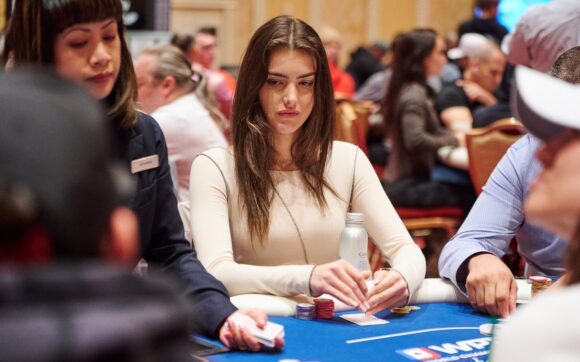
Alexandra Botez is one of many chess players to embrace poker.
The crossover appeal between the two very different but highly strategic games of chess and poker has been a long time coming. Although poker was officially classed as a mind sport back in 2011, it was seen as far more of a gambling pursuit than a skill game by many people for years, and in some circles of society, still is. This latest move only strengthens the bond between the two games.
For many years, chess legend Jennifer Shahade has excelled in poker, earning a sponsorship from PokerStars and winning over $825,000 in live events to this point, while maintaining both her professional chess career and a thriving second career as an author of books such as Chess Queens and Thinking Sideways, a book designed to help people thrive in life by thinking like a poker player.
Along with chess players who have adapted brilliantly to poker, such as the Romanian chess star Alexandra Botez, the strategic skills gained in poker are clearly adaptable to chess. Mike "Timex" McDonald recently won a chess tournament after many years of success in tournament poker. As recently as this summer, chess phenom Michael Casella beat Poker Hall of Famer Nick Schulman heads-up for his first WSOP bracelet.
Both chess and poker demand that players make the best decisions they can at any given point with incomplete information about the strategy of their opponent. In poker, there is more luck, with different cards changing the odds of success at any time. But both games rely on successful players interpreting their opponents' strengths and weaknesses and playing accordingly in response.
This latest innovation by Chess.com may grow in popularity, with tournaments like Speedrun featuring turbo-style five-minute blind levels, while events such as the Gambit Cup and Player of the Month leaderboards add prestige to the operation. Will poker players choose to learn on Chess.com? Could chess players be lured from the black-and-white board to the poker felt?
The next moves in this enduring relationship between two of the world's oldest games will be fun to watch play out.