La mejor forma de aprender: libros
Fue la forma original de aprendizaje, pero dado que se quedan desactualizados tan rápido, ¿siguen merenciendo la pena?
Por si te lo has perdido, he empezado una serie hablando sobre los pros y los contras de los diferentes métodos de estudio. La semana pasada empecé con vídeos y streams, esta semana voy a evaluar los libros.
Creo que los libros son una gran inversión tanto en el poker como fuera. Generalmente por el precio de un par de cervezas puedes acceder a los pensamientos más íntimos de un autor. Si lo piensas bien, por menos de $10, puedes meterte en la mente de gente como Malcolm Gladwell, Michelle Obama o Stephen Hawking.
Una de las ventajas de un libro es que recibes mucha información. 200 páginas da para mucho, te permite profundizar en un tema y generalmente consigues leer cuando no tienes otras distracciones, así que te permite concentrarte realmente en el tema.
El audio se populariza
Again to highlight my original point, the return on investment is therefore tremendous. If you buy a poker book on Kindle for $9.99 and that gives you seven hours of study time from a poker player whose game you respect, that is money well spent.
Another advantage of books, which wasn’t the case until recently, is the rise of audiobooks. Audiobooks are the fastest growing market in publishing and they have accounted for a massive amount of sales for my first two co-authored books, The Mental Game of Poker 1 & 2.
There is a myth out there that audiobooks are not really reading, which I disagree with, The real value of audiobooks is that they are a way to read while you are doing something else. An audiobook is the only way you can study poker while working out, doing housework, driving to work or walking the dog.
Easily dated material
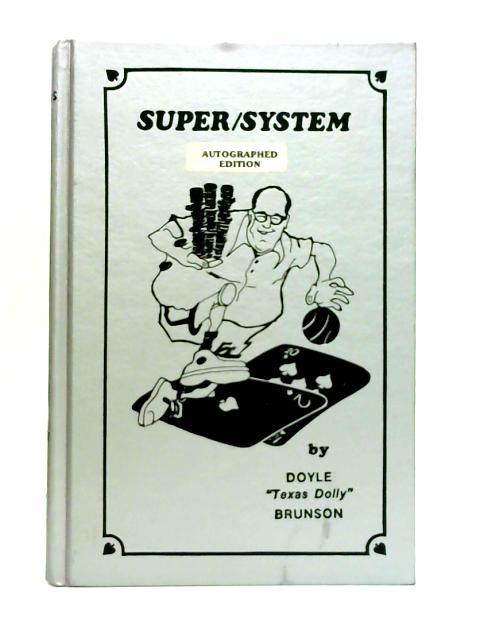
There are a few disadvantages of books, first of all they perhaps have the worst feedback mechanism. With training videos and Twitch you get to see if what the coach suggest works, with more personal coaching you are getting direct feedback from a better player and with solvers you get solutions provided over large samples. In a book there is a certain level of trust that the material is correct which might take a long time for you to confirm at the tables.
The biggest disadvantage by far with books is that they are most prone to dating. It can take six months to a year to write a book and it is perfectly feasible that the advice in that time has already become outdated. Especially now that solver technology is making some books less relevant at a frenetic pace.
Population trends in 2019 are very different to what they were in 2009, so is a poker book written at that time still useful? You often see threads on poker forum asking this very question, the thread title will often be ‘Is [poker book] still relevant?’. As transformative as a book like Harrington on Hold’em was when it first came out, it is questionable whether a new player would benefit from reading it today.
How to get the most out of books

This is why I have personally tried to avoid writing books that have the potential to date quickly, I’m actually co-authoring a new book right now and last week we discussed having a section explaining how the material is likely to date as solver technology advances. As a reader the best advice here is to do as the forumites do and ask around if you are thinking of buying an older book to see if it stands the test of time.
I’m a big fan of poker books and you should be too, I still think that in terms of value for money they are the best investment you can make, especially if the other forms of learning are out of your budget. It’s just important to recognise when they were written and to get a second opinion on the older ones to see if they still hold up.