


Why self-help doesn't always work in poker
Could you be studying too much away from the tables? Barry Carter warns of the dangers of 'self-help addiction'.
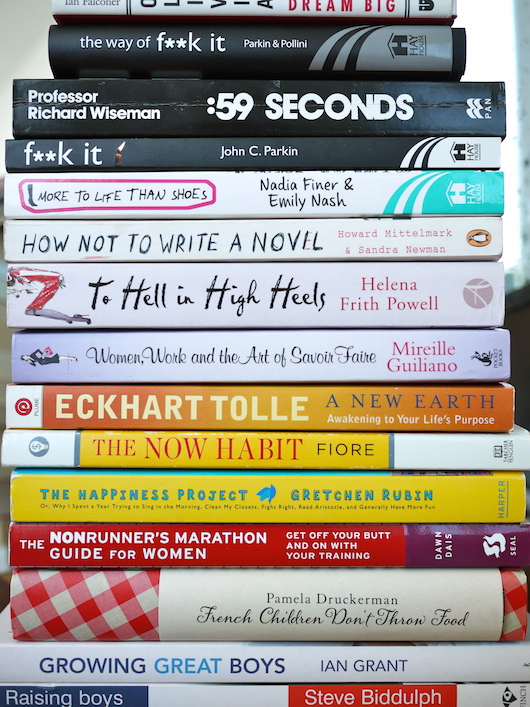
After poker, the second industry I identify the most with is the self-help industry. PokerStrategy is, of course, a place to get better at poker. Likewise my work with mental game coach Jared Tendler is very much in the field of self-help. Finally, I just read a lot of self-help material in my leisure time, so I have a close connection with it.
I believe the greatest investment anyone can make is in themselves. Forget stocks and shares, when you spend time and money improving yourself, whether it’s learning a new skill of getting in good shape, you improve your life prospects forever and nobody can take that away from you.
I have, however, observed a lot of limitations with self-help, and I believe these same limitations can be seen in poker players who struggle to get better at the game.
No magic bullets
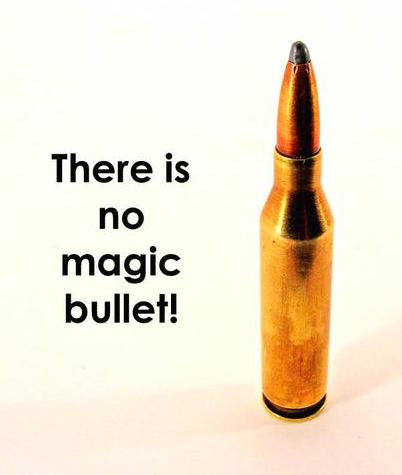
I don’t think it will come as much of a surprise to anyone that probably the biggest issue for anyone trying to improve is high expectations. Either they expect to pick things up quicker than is possible, or they go looking for a quick fix, magic bullet.
This is no doubt in part because most marketing imagery creates very bold promises. Anyone selling a self-help product is usually successful (or claims to be) and in poker they are usually a professional player. This sometimes allows us to underestimate how much work will be needed on top of consuming the material.
The reality is that there is no such thing as a magic bullet, and that is a good thing. If anyone could do it, everyone would. Laziness is a huge issue in today’s society and if you are willing to put in the work others are not, you will reap the rewards.
One final, very important note, about how self-help relates to poker. Variance plays a huge part in distorting how we learn. We can make mistakes, but win, or we can do everything right and lose. This is why it is so very important to measure the success of our learning in things other than just poker results, otherwise we will repeat the wrong things.
Self-help addiction

I actually believe there is another big problem with how we use self-help material that doesn’t get talked about all that much. We can actually get addicted to self-help material and overuse can cause us to procrastinate.
I’ve met a lot of people, and I have been guilty of this myself, who consume every self-help book, every training course, read every blog, go to every webinar and literally consume as much material as possible. The problem is that they spend too much time consuming the material, and not enough time taking action.
When you read self-help material, I think that it stimulates the same pleasure centres in the brain that are fired up when you are rewarded for something. As such, some of us can fool ourselves into thinking we are making progress, when we are actually just feeding an addiction that is stopping us from taking action. This is very much in line with the general addiction many of us have in consuming online media these days.
Passive consumption
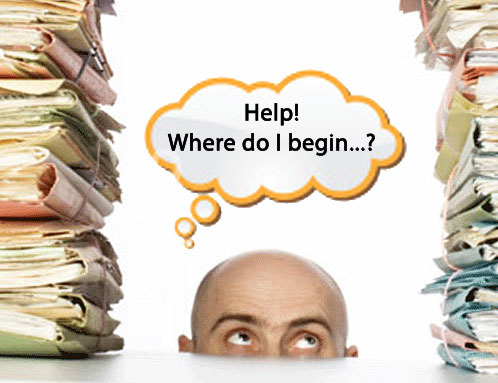
This is particularly pertinent now in the digital age when there is so much information available for free. Not only does it make it hard to find quality material, but it also perpetuates that notion that the goal is to consume all of it, rather than find the really good stuff and study it in depth.
It’s for this reason I actually now prefer to pay for self-help material rather than to trawl through all the freely available stuff. Usually, but not always, paid content is better, but the main reason I don't mind paying is because when you invest financially, you take the material much more seriously. You will take more action, because you want to get your money's worth.
Self-help material is very important and valuable. In fact, I think it is a must for anyone wanting get ahead of the competition in any field. However, you are only as good as the work that you put into it. Ultimately, I think the issue is we consume our learning material way too passively. It’s very important to invest time and money into self-help material, but we also need to make sure we take action on it, then review the results, before repeating the process over again.
How do you approach learning in poker and life? Do you read much self-help material outside of poker? Let us know in the comments.
