


GTO Poker Theories - The Doorman Fallacy
In poker and life, maximising efficiency is not always the most important thing to strive for.

One of the real gifts poker has given me is that it has been a great jumping off point to learn things from other disciplines like economics, AI, psychology and Game Theory. So here is a series of articles where I bring some of the most interesting things I have learned from other subjects outside of poker which are applicable in this game we know and love.
Rory Sutherland, a behavioural economist and Vice Chairman of Ogilvy, coined the term "Doorman Fallacy" to describe a common mistake in problem-solving: assuming that removing an inefficient system will automatically lead to an improvement, without considering the hidden benefits that the system provided.
Sutherland illustrates this concept with a simple analogy: Imagine a hotel removes its doorman to cut costs, believing automatic doors or self-service options can replace him. At first glance, this seems like a rational efficiency gain. However, the doorman did much more than just open doors—he provided security, assisted guests with luggage, greeted people warmly, and created an upscale atmosphere.
By eliminating the doorman, the hotel might save money but lose significant intangible benefits, leading to a worse overall guest experience.
Experience first, efficiency second
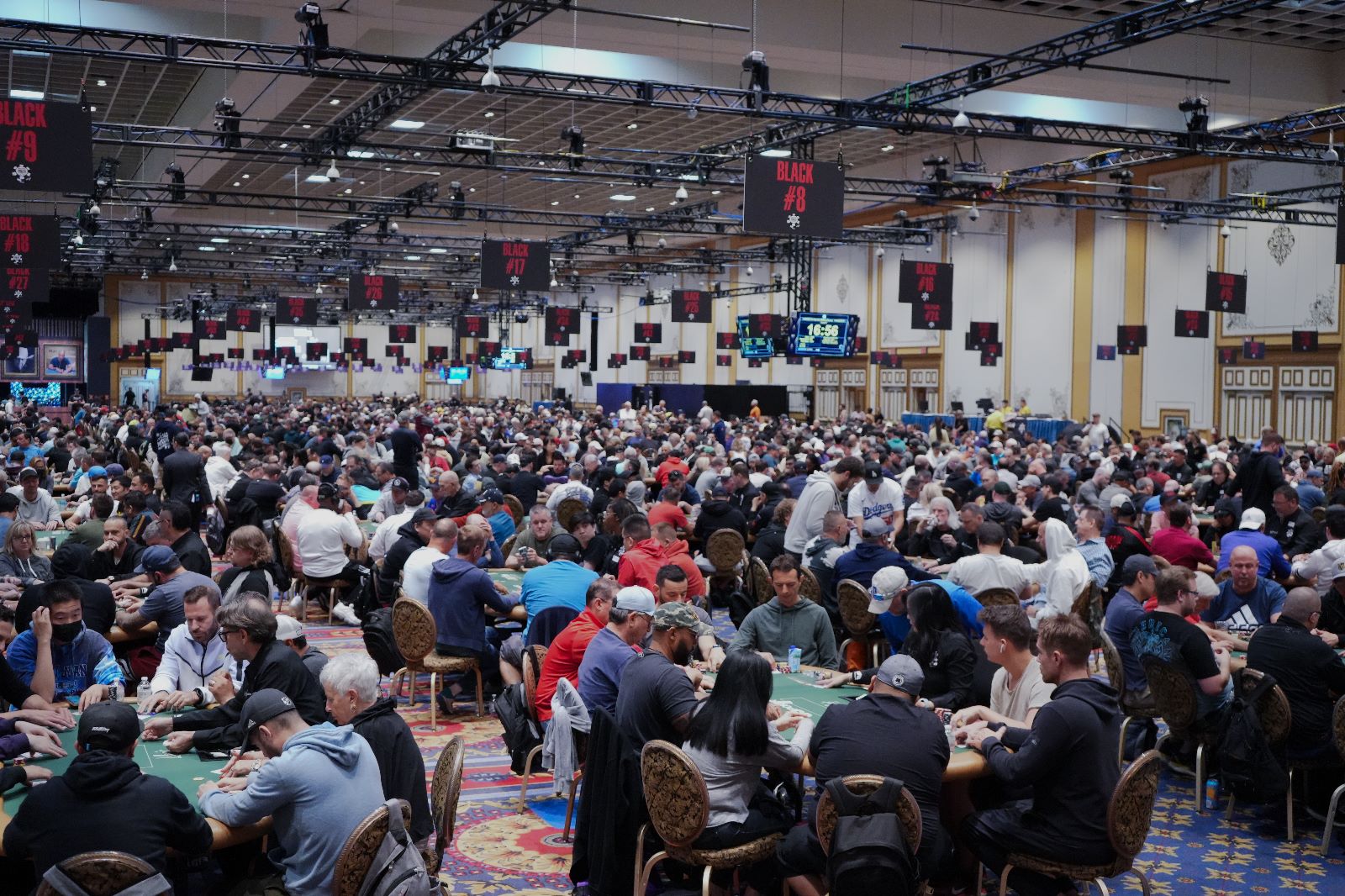
The Doorman Fallacy highlights where businesses look to optimise efficiency and unwittingly harm other metrics, like customer experience.
I can think of lots of poker examples where we have done this as an industry.
My co-writer Dara O'Kearney spotted this years ago when he was asked by PokerStars to write an article about how amatauer players should play the PSPC. He said they should max late reg, to reduce the edge the High Rollers have on them. What he actually found was all the players registered at the start, because they wanted to maximise their experience in what was likely their only ever High Roller event.
I think operators should take note of this. Not many operators put on fun events for their players in live events anymore, most concentrate on big guarantees instead. I think this is short sighted. The amateur players we so desperately need don't care about maximising hourly, they want to make their time off work fun. More events should follow the Lex Live model of poker being just one of the activities on offer.
I also think the recent trend of Milestone Satellites is a great Doorman Fallacy example of operators missing the point. I love the fact these tournaments are (usually) faster and can qualify some players super quick. But for me, they miss the point that regular satellites have such a simple strategy that even terrible players can hang on for grim death and win a seat. We want the weak players and the newbies in the target events, and if that means a slow, stall-y, structure of the traditional satellite, that's a worthy price to pay.
As Sutherland suggests, there are always other metrics that should not be ignored in our quest for efficiency.
What theories from outside of poker have helped your game? Let us know in the comments.
