


The Tragedy of the (Poker) Commons
Barry Carter looks at an economic theory that explains why it's often hard for players to act in the best interests of the game overall.
We often talk about why it’s important to do things that are ‘good for the game’ and most of us recognise that things like making poker more sociable and ensuring casual players can still win are things that are good for everyone. But we don’t talk as often about why it is so difficult, for all of us, to act in a manner that benefits everyone.
In poker you would think this isn’t a problem because the correct strategy for any decision in a hand is whatever makes you the most in the long term, if the situation presented itself over and over. However when we are talking about how to best grow and make the game more fun, that isn’t the case. Often what is best for the game overall in the long term is not best for the individual player.
This is what is known as the ‘Tragedy of the Commons’, an economic theory whereby people who share a resource can ultimately destroy that resource, while still acting in their own best interest. Typical examples we all know these days include keeping a public space tidy or being environmentally friendly. It’s much easier to throw a piece of trash on the floor than to keep onto it until you find a bin, and it’s much easier to throw that trash in a regular bin rather than find a recycling bin, but if everybody had that attitude, everything would go to hell.
Good for the game vs good for your game
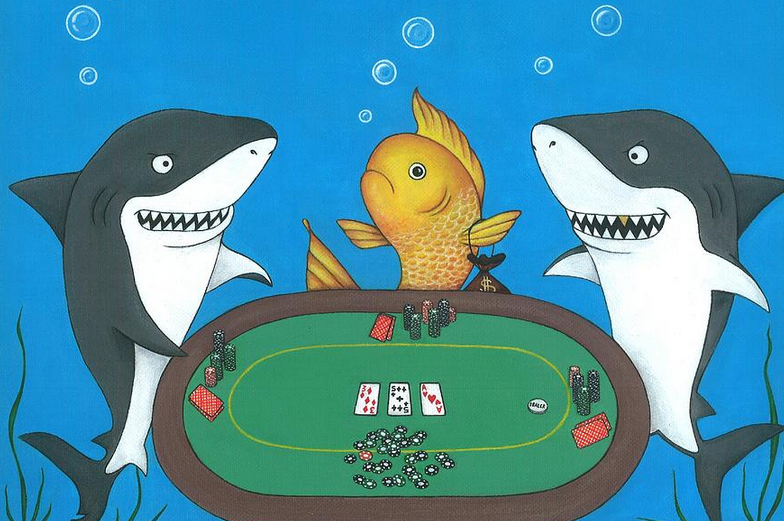
There are numerous examples of this we see in poker all the time, for example whenever somebody is not paying their debts. It is commonly agreed that we should ‘name and shame’ these people for the benefit of the poker community as a whole, but the people owed money often don’t, or at least wait a long time, because they understandably fear that doing so may well end any realistic chances they get paid back.
Then you have what has been referred to as ‘predatory’ practices, whereby professional players will employ quite cynical methods to make the maximum from a recreational player. Table selection software, bum hunting, sitting out as soon as the bad player leaves, asking the bad players to play them heads-up and berating them to try and tilt them. These are all things most of us would agree are contributing to making poker less enjoyable for casual players, and likely prevents them from depositing in the future. However the player who does these things stands to make a lot more money in the short term.
It’s not just the serious players themselves who find themselves in this conundrum, those of us who work in the industry face similar challenges. For many years the de facto standard for marketing in poker was to berate bad players. Poker instruction websites have been guilty of ‘how to beat the fish’ type content and poker rooms themselves promoted messages like ‘this card room is full of donkeys’. Rather than reach out to casual players and suggest how much fun they could have, a big part of the industry was poaching high volume players from other sites by effectively insulting the casual players.
Take one for the team

Thankfully, in almost every aspect, the world of poker is changing its tune. Scammers are being outed more readily, professional poker players are actively trying to make the game more fun and poker rooms clearly are trying to make a casual player’s deposit last a lot longer. Some of these practices have been taken away from us, for example it is now very difficult to 'bum hunt' because of a number of changes in online poker lobbies that have rendered things like software and seat selection obsolete.
But it is still a very natural human impulse to act in your own interest to the detriment of the game overall, and for that reason it is important to draw attention to it. What makes sense for you short term might also make sense for you in the long term, but only if you were the only person doing it. Sometimes we all have to ‘take one for the team’ and do the thing we hoped everybody else would be doing too.
What do you do that's good for the game, even though it's bad for your bottom line? Let us know in the comments:
