


GTO Poker Theories: The Bike Shed Effect
It's much easier to argue about a bike shed than it is to discuss nuclear power, and some things in poker are easier to discuss than others.
One of the real gifts poker has given me is that it has been a great jumping off point to learn things from other disciplines like economics, AI, psychology and Game Theory. So here is a series of articles where I bring some of the most interesting things I have learned from other subjects outside of poker which are applicable in this game we know and love.
There is so much information available in poker study that one of the biggest challenges is determining which of it you should pay attention to. This week’s GTO Poker Theory may help you do that, or at least it will give a name to all those boring meetings you have at work.
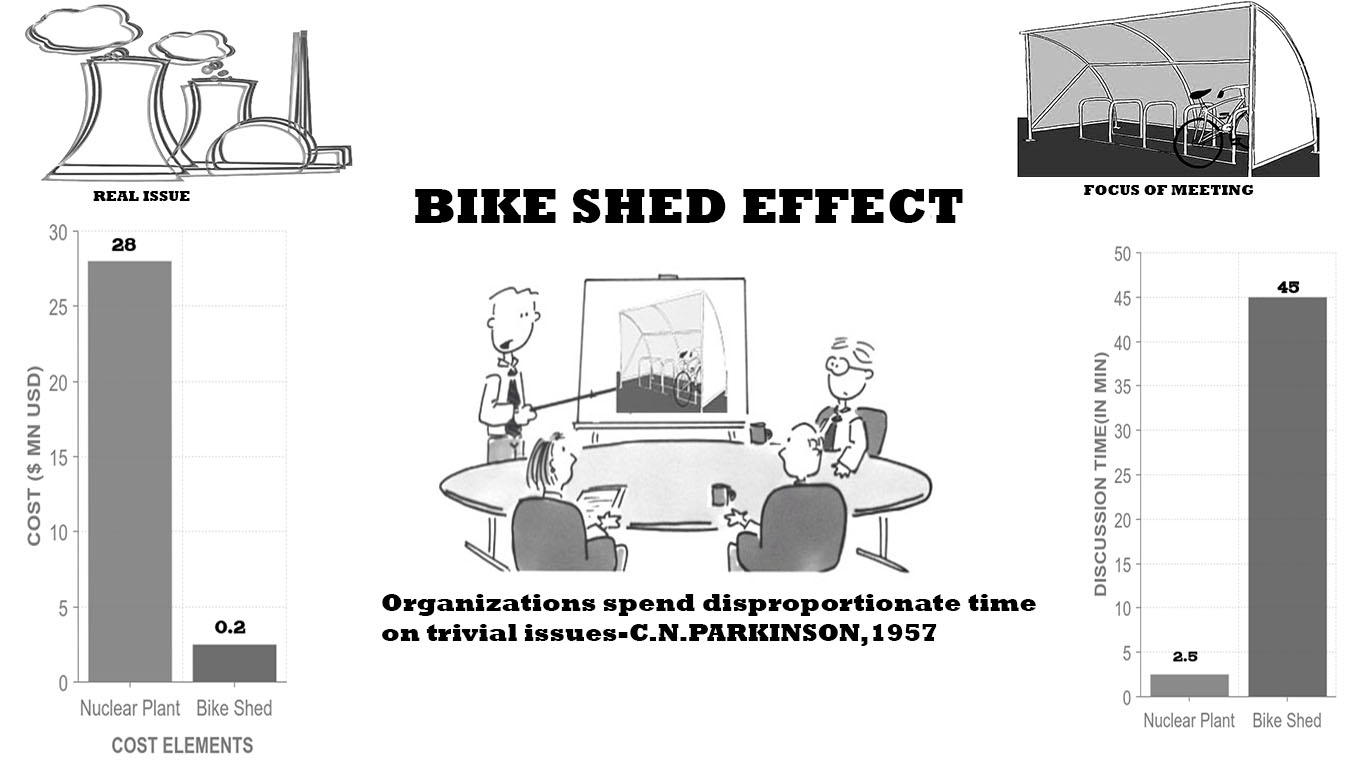
The Bike Shed Effect, or Parkinson’s Law of Triviality, was identified by C. Northcote Parkinson in 1957. He gave the example of a meeting at a nuclear power plant where more time was spent debating what the colour of the staff bike shed should be than on the design of the plant itself. As engineer Karl Fogel explained, the “the amount of discussion is inversely proportional to the complexity of the topic”.
Quite simply, it is much easier to have a debate about something trivial than it is about something complex. We all have an opinion on mundane topics, but when we require nuance and complexity it is not so easy.
It's easy to debate the trivial
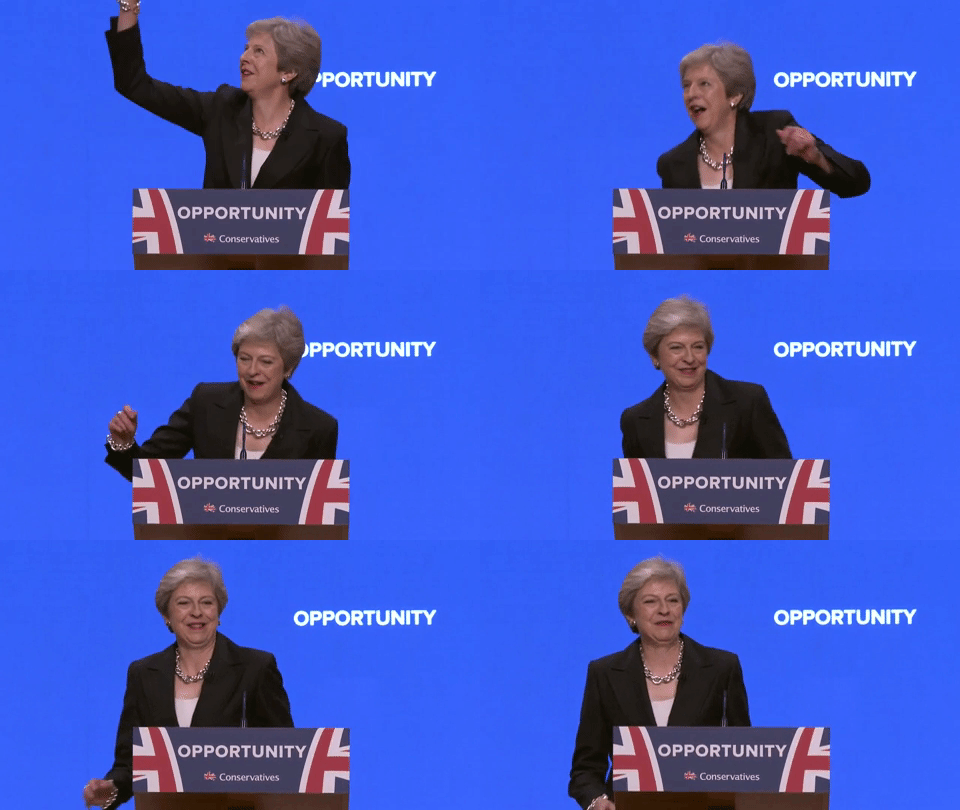
You only need to look at mainstream news media to see this in action. In the UK last week the Prime Minister Theresa May gave her annual conference speech and this is at a time when the UK is preparing to leave the European Union, one of the most significant political moments for the UK in a generation. But Brexit is a complicated nuanced animal, so a large proportion of the mainstream media coverage and social media discussion instead focussed on the fact that Mrs May did a funny little dance at the start of her speech.
We all feel qualified to share our opinion on her dancing skills, Brexit not so much.
Careful which advice you follow in poker
I think the bike shed effect is useful for poker players to understand when they are discussing poker strategy with other players, especially on poker forums. When you are brave enough to post a hand on a poker forum, not only do you open yourself up to criticism, you also leave yourself vulnerable to bad advice.
It’s only with experience and when the person giving advice has credentials to back up their claims that you can start to learn what to ignore, but as a general heuristic you can look at who is debating the trivial or simple aspects of the hand, compared to those who are getting into details.
For example, if somebody is replying with sweeping simple statements like “you can never fold Kings there” or "that looks weak" without backing it up, you can at least take their advice with a pinch of salt until they go into more detail. If, however, they reply with details like hand equities, or what an ICM calculator suggests, or they ask about your opponent's HUD stats, then you have some depth with which to learn more.
Another example of ‘bikeshedding’ is when players only want to discuss the hands they won or lost that were standard coolers which played themselves. When somebody posts a hand history where they basically got Aces in preflop only to get cracked by Kings, they’re not really interested in learning something. However, when somebody posts in a forum asking whether they could have got some thin value on the turn with third pair, you are much more likely to be in a serious strategy discussion.
This is one of the reason why in our own strategy forums we have guidelines and qualified hand judges, as well as plenty of content purely on how to review hands, so we can ensure a certain level of depth in our discussions.
What colour should the PokerStrategy.com staff bike shed be? Let us know in the comments.
Related
- The Matthew Principle
- The Tragedy of the Commons
- Gambler's Ruin
- The Pareto Principle
- The Ultimatum Game
- The Survivor Bias
- The Cobra Effect
- Black Swan events
- Prospect Theory
- Marginal Utility
- Illusion of Control
