


GTO Poker Theories: Prize Linked Savings
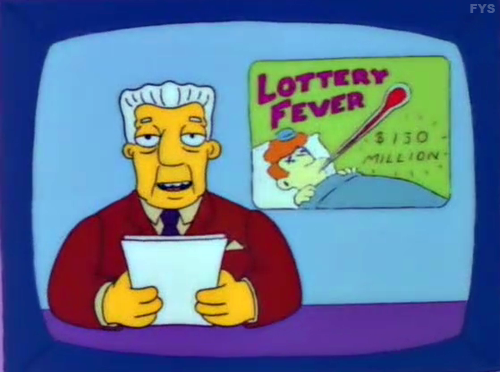
How have banks used lottery fever to get more people to save? Learn about poverty traps and how they impact online poker games.
One of the real gifts poker has given me is that it has been a great jumping off point to learn things from other disciplines like economics, AI, psychology and Game Theory. So here is a series of articles where I bring some of the most interesting things I have learned from other subjects outside of poker which are applicable in this game we know and love.
If I offered you a guaranteed $1, or a 1% chance of winning $100, which would you pick? In theory it shouldn’t matter, because on average they are worth exactly the same. However, many studies have shown that most people will go for the second option of a 1% chance of winning $100.
This is because for most people practically speaking $1 is not going to make a difference in their life whether they win or lose it, but that $100 could do something for them. This is why the lottery is so popular, particularly among people with low incomes. This is because of what is known in economics as a poverty trap, which is where a significant amount of capital is needed to escape poverty. The cost of a lottery ticket is not going to make somebody in dire straits any worse off, but the prize, however unlikely, could get them out of it.
Saving is a poverty trap, especially right now where savings rates are incredibly low all over the world. People on low incomes do not feel incentivised to save money when they barely get a 1% return on their savings these days. As such all over the world we are seeing scary statistics such as 62% of Americans do not have enough savings to cover an unexpected $500 car repair bill.
Prize Linked Savings
In recent years a savings initiative has gathered pace in countries all over the world that uses the lottery mentality and poverty trap for positive effect. Prize Linked Savings Accounts are accounts where instead of giving everyone a low interest rate, the interest of all the account holders is pooled together and a lucky few savers win a much larger prize.
So for example if you invest $2,000, instead of getting 1% interest of $20, that deposit affords you a batch of ‘tickets’ that give you a 0.4% chance of winning $5,000. If you do not win, your initial $2,000 remains in the account and the longer it stays there, the more ‘tickets’ you will earn.
This form of account has proved very popular, especially among first time savers who previously have never had an account before. Around 80% of them will keep the money in the account the following year despite not winning, meaning more people are saving in general.
The beauty of this system is that it allows people to save money, while also letting them have the fun of gambling for a big amount, risk free. As I have written before, we are naturally risk averse so any opportunity to save money and have a shot at a big prize is psychologically a win-win.
Lottery mentality in lottery SNGs

The popularity of Prize Linked Savings I think also explains the popularity of formats in poker like Spin & Go. I have written about Spins before and how they are popular because there are ‘games within the game’ ie. you have a normal skill based poker game while also having a lottery style gamble on what the prize pool will be.
In Spin & Go you essentially enter with the premise that you will probably be playing to double your money, but just like a Prize Linked Saving you have that rare shot at a massive prize. Just like a poverty trap, you don’t mind losing your initial buy-in because the upside, however unlikely, is a game changer. This also taps into other interesting biases like the availability heuristic and the near miss fallacy which make you think that a big jackpot is more likely than it actually is.
This is why Spins are still arguably one of the more profitable formats in poker today, because they attract gamblers coming into them with lottery mentalities because of the buy-in that doesn’t hurt when lost and a jackpot that could change their life when won.
Risk free gambles for loyalty
It also explains the popularity of some of the promotions poker rooms will use to reward loyalty. A lot of bonuses, for example, include things like free spins on roulette or a free sports bet. Obviously most poker players come to the game to avoid things like this and prefer the skill element, but you would also be foolish to turn down a risk free bet.
To a lesser extent the PokerStars Chest system is harnessing the Prize Linked Savings ethos. For high volume players it is much worse, especially because the guaranteed element of rakeback was a big deal, but for the small stakes fun players who only generate a buck or two of rake, you could see the appeal of a huge potential upside. The same goes for people who play Bad Beat Jackpot tables. The rake at them is much higher, which is usually moot anyway if you are a losing player, so the shot at winning a life-changing score when you are losing anyway makes perfect sense.
Meanwhile @PlaygroundPoker this happened earlier. Not a bad way for a huge bad beat jackpot to go! Ouch! and then congratulations all round 🾠pic.twitter.com/1IAHhVNVlB
— partypokerLIVE (@partypokerlive) October 2, 2018
We should throw out the gambling element of poker at our peril because it is precisely what makes the game profitable. If we can make the game more enjoyable by mixing in some risk free gambles, like the banks have done with Prize Linked Savings, then everyone is a winner (even though only a very small percentage of people are actual winners).
What theories from outside of poker have helped your game? Let us know in the comments.
Thinking about getting staked?
The most reliable way to climb the Spin & Go ranks is by joining SpinLegends. We provide the bankroll, world class coaching, supportand you also get to rail your fellow SpinLegends members.
As soon as you show promise we move you up in stakes and we even take variance out of the equation with EV Insurance.
Related
- The Matthew Principle
- The Tragedy of the Commons
- Gambler's Ruin
- The Pareto Principle
- The Ultimatum Game
- The Survivor Bias
- The Cobra Effect
- Black Swan events
- Prospect Theory
- Marginal Utility
- Illusion of Control
- The Bike Shed Effect
- The Peter Principle
- Commitment Devices
- Flow
- The Dunning-Kruger Effect
