


GTO Poker Theories: Decision Fatigue
One way to have more mental energy for tough decisions at the tables is to reduce the amount of trivial decisions you have to make.
One of the real gifts poker has given me is that it has been a great jumping off point to learn things from other disciplines like economics, AI, psychology and Game Theory. So here is a series of articles where I bring some of the most interesting things I have learned from other subjects outside of poker which are applicable in this game we know and love.
We all know how tiring it can be when you have something mentally very taxing to do, like a big project at work or studying for an exam. It can also be tiring simply to have a lot of easy decisions to make. This is what is known as decision fatigue.
One way to guarantee you will tire yourself out mentally is to ruminate on every little decision. There have been countless studies on this, but just think back to what life was like when we didn't have hundreds of TV channels to choose from, you always found something to watch. However, nowadays you can spend an hour flicking through channels and eventually watching nothing. You lose interest and get tired from all the choice.
More choice is not always a good thing, in fact often the best way to get the most mental output is to limit your choices.
Choice architecture
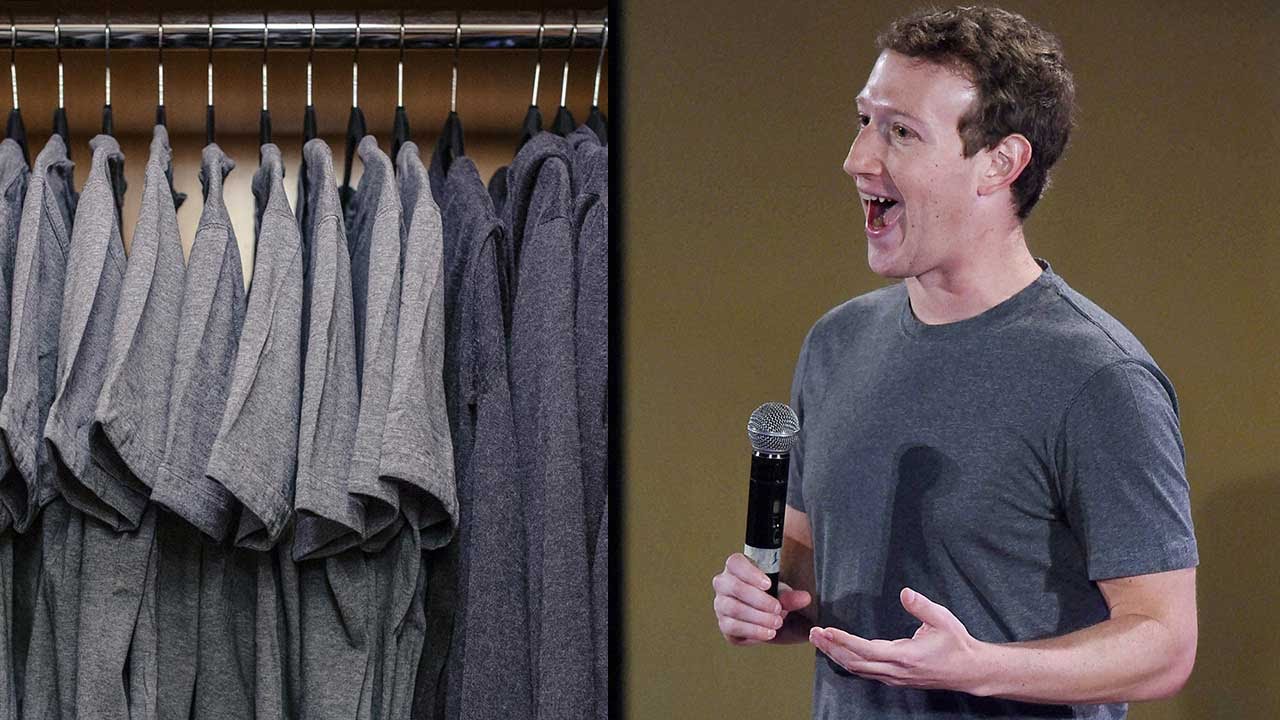
This is what is known as choice architecture and some of the most productive people in the world are fans of it. For example Mark Zuckerberg, Steve Jobs and Barack Obama are three people who kept closets full of identical clothing.
They knew they had limited mental resources so they didn't want to waste any of them on trivial decisions. Steve Jobs really did not have spare time or mental resources to try and find a shirt to match his shoes each and every day.
It is useful to take stock on how many decisions you make in a day. When the outcome of the decision has little bearing on your life, just go with the simplest option.
Automate the common decisions
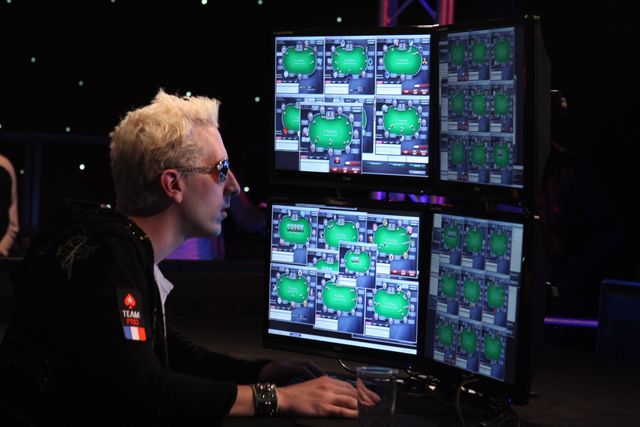
There are a lot of ways we can put this into practice in poker, perhaps most of all though is what we choose to study. As we have written before the best things to study are the things that come up again and again, such as 30 BB Button vs Big Blind ranges.
Or as mental game coach Jared Tendler suggests, if in doubt work on your biggest errors, your C-game mistakes. These are the things that have the biggest impact on your bottom line. It's the simplest way to learn and takes the stress out of deciding what to learn next.
If you get good at studying common or costly spots, the corrections will happen automatically at the tables, leaving more mental resources for the really tricky unusual decisions that come up a couple of times a session.
What theories from outside of poker have helped your game? Let us know in the comments.
Related articles
