


GTO Poker Theories: The Curse of Knowledge
One of the hardest things to do when you coach other people is remember what is what like when you didn't know what you now know.
One of the real gifts poker has given me is that it has been a great jumping off point to learn things from other disciplines like economics, AI, psychology and Game Theory. So here is a series of articles where I bring some of the most interesting things I have learned from other subjects outside of poker which are applicable in this game we know and love.
Sometimes when the best poker players produce strategy content it is by no means as easy to understand as some content by less skilled players. Why?
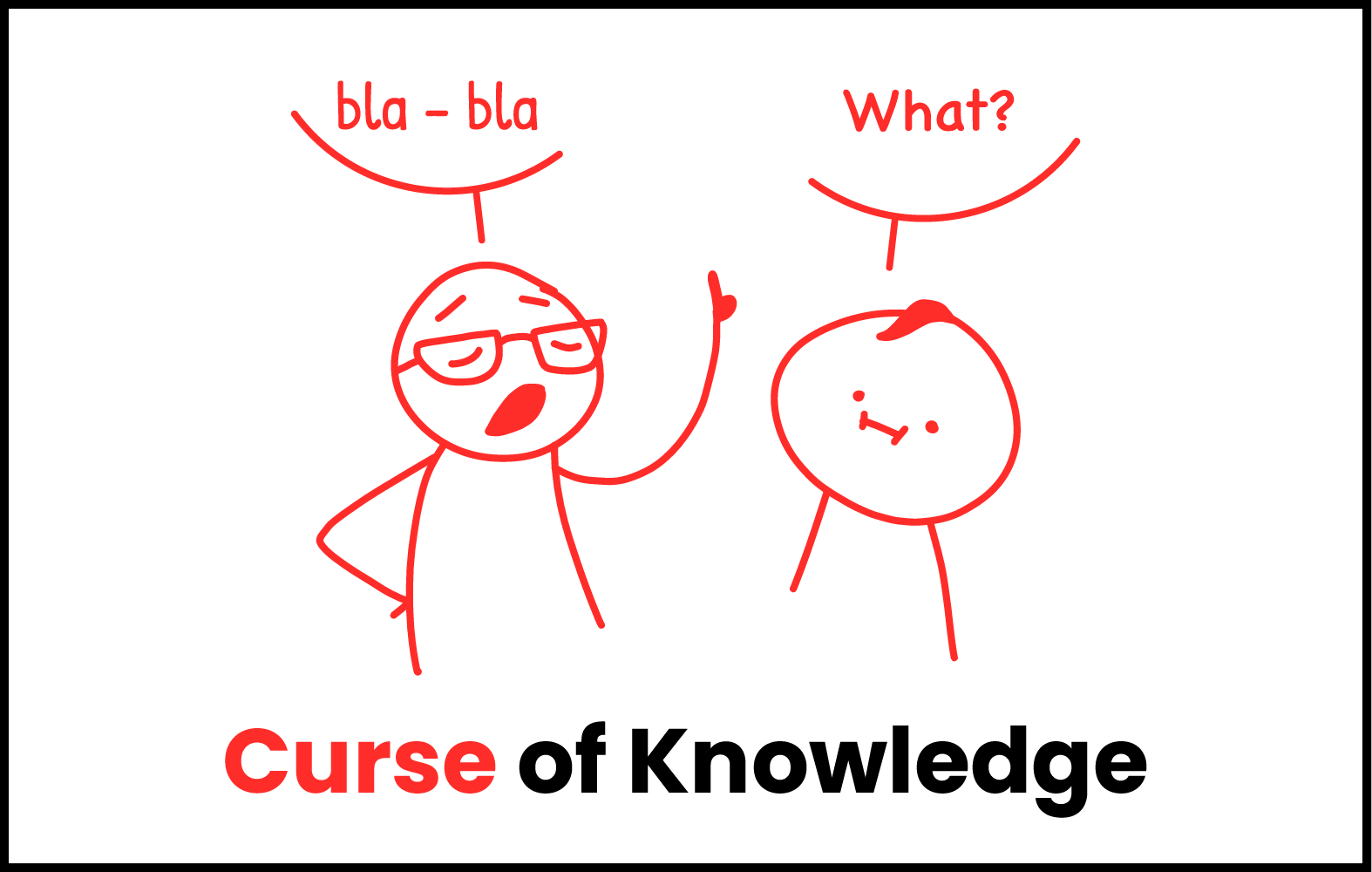
The Curse of Knowledge is a cognitive bias whereby the more skilled you become at something, the harder you find explaining it to others. You end up explaining it assuming the other person knows what you know and crucially forget what you didn't know when you were in their position.
Remember when you didn't know what you now know
This is why you need to be careful when choosing where you get your information, particularly poker information.
Just because somebody is a great player does not make them a great teacher. Especially when that player has been working extensively with solvers and other complex methods, and you have not.
Some people will benefit more from learning from a coach who is playing just slightly higher stakes than they are, rather than somebody who is crushing the nosebleeds.
Go back to basics
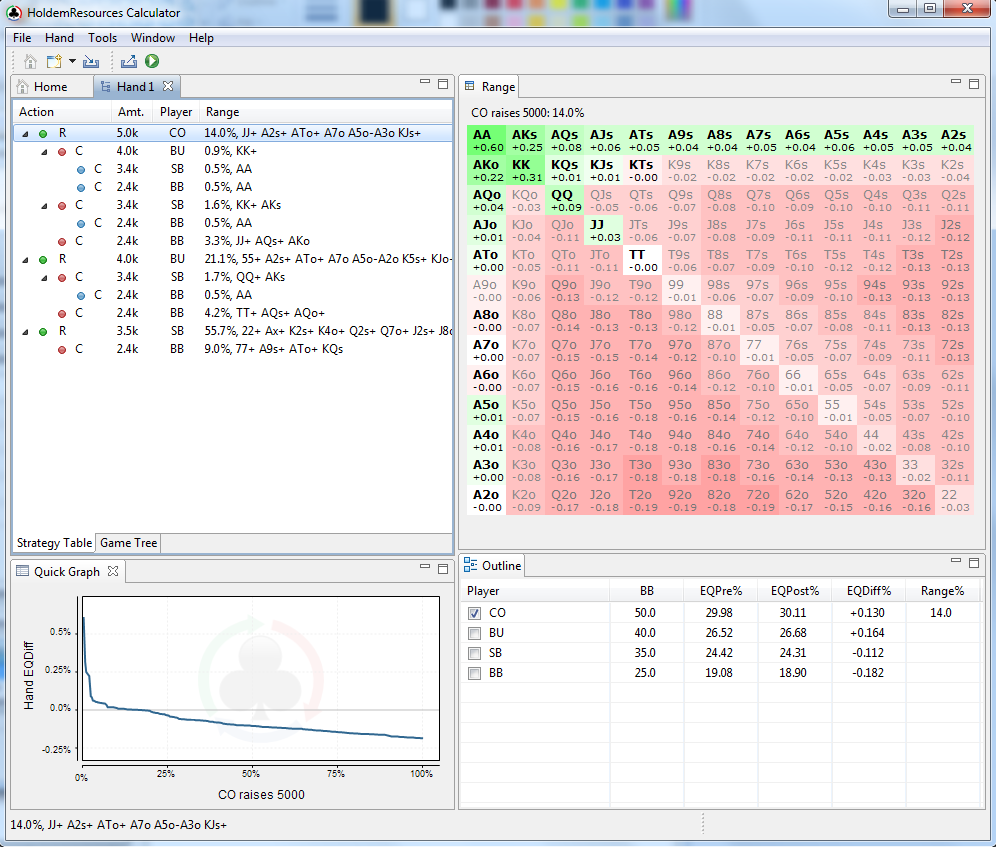
When you learn from somebody only a few levels up from you there will be a cap on how much you can learn, which is why you should take an active role in your education and seek out other coaches too.
In particular, as a student, do not be afraid to ask silly questions. If something goes over your head then ask them to explain it like you were five. If you are learning in a group the others will probably appreciate you doing so.
If you are coaching somebody yourself, remember that this bias exists and try to put yourself in the shoes of your student. Check for understanding, try to bring things back to basics and remember how you felt before you knew the subject you are now teaching.
What theories from outside of poker have helped your game? Let us know in the comments.
Related articles
