Are the new "Millionaire Maker" rules at the WSOP enforceable?
New rules preventing third-party prizes in WSOP events seem sensible, but would be impossible to enforce, reckons Barry Carter.

With less than a month to go before the start of the World Series of Poker, new tournament rules have been released.
One of which prohibits players from receiving a prize from a third party based on the outcome of the results of a World Series event
The exact wording is as follows:
Host Properties will penalise any act that, in the sole and absolute discretion of Host Properties, is inconsistent with these WSOP Official Tournament Rules or the best interests of the WSOP Tournament. Such act includes, but is not limited to, the Participant accepting any payment or prize from a third-party person or entity (e.g., pursuant to a promotion, product or service) based on the outcome or results of any WSOP Event, in which case the Participant shall forfeit all of the WSOP prize money; if the prize money has already been paid to Participant, then the Host Properties shall have the right to the return of all the prize money plus interest.
This is a reaction to the Millionaire Maker scandal last year. The World Poker Tour offered a $1,000,000 bonus to qualifying players who went on to win a bracelet at the series. When they got heads up in the Millionaire Maker event, Jesse Yaginuma, who was eligible for the promotion, appeared to soft play with James Carroll, allowing Yaginuma to overcome a 9:1 chip deficit.
No more Millionaire Maker scandals
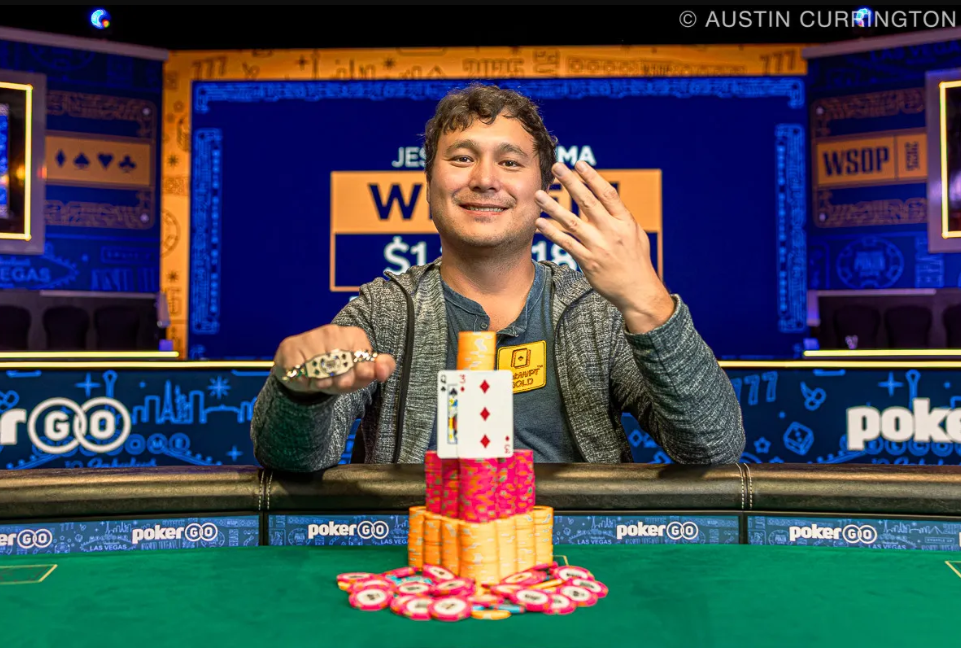
The allegation is that the two players agreed to split the final two payouts of the Millionaire Maker event and the $1,000,000 bonus.
It resulted in a rare sanctioned chop from the World Series of Poker. Yaginuma was not officially considered the bracelet winner, and both men were banned from the World Series of Poker. The World Poker Tour paid out on their $1 million bonus, which was very much a marketing gimmick and exactly what they were hoping would happen.
It is completely understandable why the World Series of Poker would implement a new rule that would prevent the same thing from happening again this year. While I strongly believe neither man did anything wrong (I believe the player should always be able to decide what happens with remaining tournament money between them, and this was not collusion, as no other player was involved), it did make a mockery of the broadcast of this event. Likewise, while I do believe neither man should have been banned, I understand why the World Series would not like to let a rival operator have so much influence over their events.
Are the rules enforceable?
However, I think this new rule is potentially unenforceable for a number of reasons.
First of all, side bets are a common part of tournament poker. We have things like last longer bets, cross booking, and some of the classic stories of bracelet bets over the years that have enriched the lore of the World Series of Poker and events like it.
All of these would fall into the category of third-party prizes, based on the outcome of World Series of Poker events. The WSOP is in no position to police the thousands of bets that must take place during the festival.
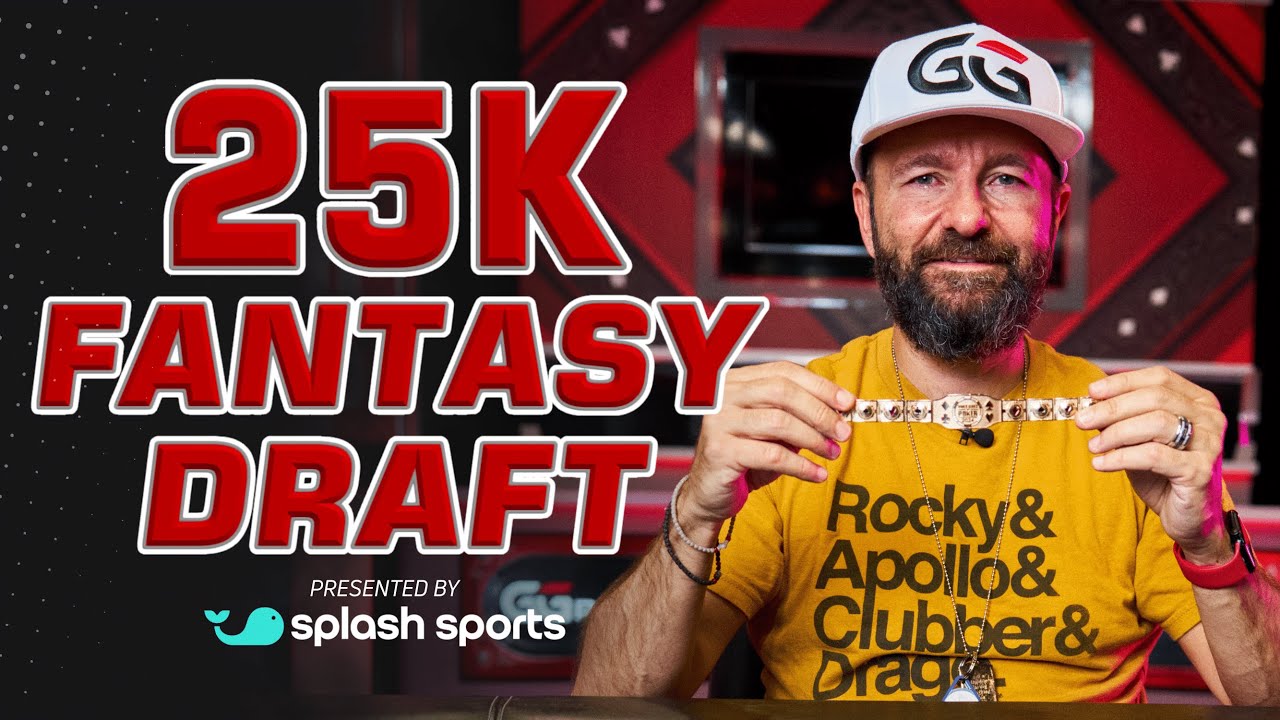
The most notable one of which is perhaps Daniel Negreanu's $25,000 fantasy draft, which takes place every year. While everyone involved in that would essentially be playing for the win as they always would, it is still very much a third-party prize based on the outcome of World Series events.
Perhaps most notably, the World Series has versions of third-party prizes themselves. GGPoker, every year, awards $1,000,000 to the longest-lasting GG qualifier, and the WSOP has long had bubble boy prizes in the main event, which in theory could influence the action at the tables.
My prediction is that this new rule is not going to be aggressively enforced for all these cases. The wording is just there to prevent other operators from being tempted into running promotions that could potentially influence World Series events.
I'll end by saying what I often say, which is: What Jesse Yaginuma and James Carroll did was not cheating, and many players have escaped lifetime bans for much, much worse. Stop. I really hope the World Series sees sense and allows them to play again this year.