


How to know when to quit a losing poker session
Should Phil Galfond power through his downswing or cut his losses? Barry Carter discusses the fine art of quitting a poker session.
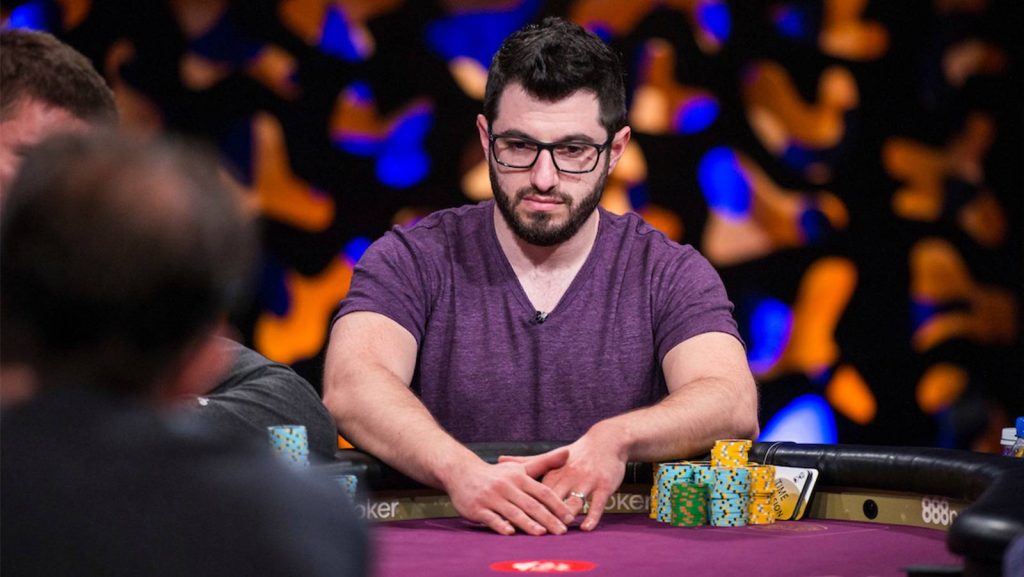
The Galfond Challenge has captured the imagination so far not because of the intensity of the battle but the severity of the downswing that Phil Galfond has suffered. So sickening it was that Phil has announced he is taking a step back from his first challenge against 'VeniVidi1993' and that he may drop out entirely.
In his sessions against 'Venividi1993' he has won just two and lost 13. They have played a combined 9,927 hands at €100/200 PLO and Phil has lost €900,240. He also has to pay a side bet of €200,000 if he loses the whole challenge.
Unfortunately, my downswing in the first #GalfondChallenge has very much continued.
I’m taking a step back to do some thinking. Here’s an update, along with some more of my thoughts: pic.twitter.com/jIcN4Bc1Jz
— Phil Galfond (@PhilGalfond) February 11, 2020
It is particularly unusual to see Phil Galfond on the brink of quitting, because he has a reputation for being both fearless and having a particularly strong mental game. I suspect this may have to some extent added to the pressure he feels to stick in the challenge, as well as his commitment to his staff at RIO (he is doing this as a publicity stunt for his two businesses).
When to quit a game

As you may know from my shameless spamming, I am the co-author of The Mental Game of Poker 1 & 2. In those books Jared Tendler and I discussed quitting in detail. It used to be the standard advice was to quit whenever you felt the onset of tilt, so that you nipped it in the bud before you started losing money. If you never played on tilt, you in theory are always playing your A-game.
However, we advised something different. We said that quitting early to avoid tilt was in fact a symptom of tilt. It may not be as severe or painful, but it greatly reduces your volume, it is a motivational issue. It also prevented you from improving your ability to play under severe pressure, as shying away from challenge becomes more of a habit.
Our advice was instead was to take a number of in-game measures to keep tilt at bay, but to keep playing as long as possible, so that you can gradually build a resistance to tilt at the tables, while also taking steps to make it less likely away from the tables.
The bravery in quitting
But, and this is a very big but, we advised that quitting was sometimes the only option if the tilt was severe. Sticking in there and toughing in out was only an option if it was voluntary and you felt prepared to challenge yourself. When the tilt is extreme, either in how unpleasant it was or in how poorly it was making you play, our advice was to quit and work very hard on resolving the tilt issues away from the table.
This is not a far cry from the standard mental health advice you would receive for most emotional issues. If you can, voluntary exposure to resolving something like anxiety is the best approach, but if it’s too intense, go easy on yourself and get help.
For this reason, I think that Phil Galfond would be right, wise and brave to call time on the first challenge. Poker has too many examples of great players going down bad roads because they refused to get out of games they should have quit. I know he has this reputation as a wise brave poker legend who shows no fear, but he perhaps would be setting the better example to the poker world by cutting his losses and moving on to the next challenge.
How do you know when to quit a poker session? Let us know in the comments:
