


Understanding Luck: Lucky Attitudes
How does the way we set goals or react to bad luck affect our fortunes at the tables and in life?
This is the final part on my series on personality traits that appear to invite or repel luck, as identified by research by Professor Richard Wiseman. I’ll continue to write about how we can all get a better understanding of luck and variance after that, but with a bit more emphasis on numbers.
Wiseman determined that lucky people had more chance encounters than unlucky people, and also trusted their instinct more. The final commonalities he found between self-identified ‘lucky’ and ‘unlucky’ people revolved around their attitude towards luck itself.
Lucky people tended to expect good things would happen in the future and unlucky people tended to assume the worst. Perhaps most notably, when either group encountered bad luck, the ‘lucky’ group found the positives in the experience, did not dwell on it and took constructive steps to prevent it from happening in the future.
Take more shots
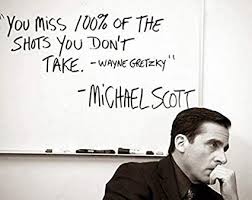
Expecting good things to happen in the future on its own does not produce good fortune. Once again, that would be ‘blind luck’ which we have no control over. However, there is a clear common sense explanation as to why people experienced more luck when they expected good things to happen and that is an optimistic mindset helps you set ambitious goals. Quite frankly, you are never going to step into the arena if you assume you have no shot of achieving your goal. Pessimistic people assume the worst, so why even try?
In Wiseman’s previous research on creating more chance encounters he met a lot of people who had won a lot in competitions, the types you would see in newspapers. Upon further analysis he discovered that the people who won a lot in competitions also entered a huge amount of them, sometimes as many as 60 a week. They probably had a higher failure rate than some of the ‘unlucky’ people but this is a clear example of “you miss 100% of the shots you do not take”. It may be overly optimistic, but assuming good things will happen appears to be the spark some people need to take action.
The more important research seems to come from how ‘lucky’ people bounce back from adversity. Lucky people display ‘counter factual thinking’ more often when they experience bad luck, which is to think about worse things that could have happened, rather than the bad thing that did happen. So if you get knocked off your bike and break a leg, you can thank your lucky stars you were not killed. Unlucky people would ruminate on the actual bad luck that befell them.
Getting out of downswings
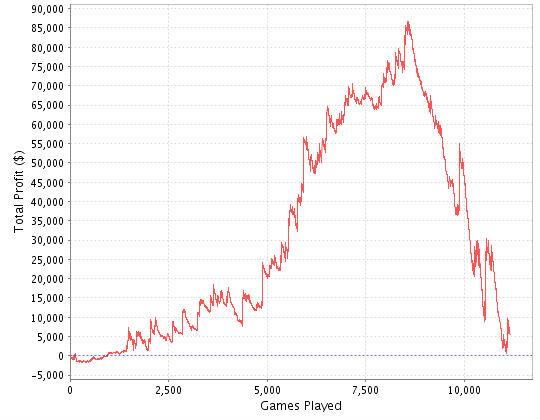
This is really prevalent in poker people and how they respond to bad beats. We all get them and over time probably the same amount, but some players spend their lives bemoaning bad beats and others use the opportunity to see if they could have played the hand any differently.
Ironically, the people in the ‘lucky’ group were found to be less superstitious than those in the ‘unlucky’ group, who were much more likely to believe in fallacies and lucky charms. This demonstrates the flawed logic self-identified unlucky people have towards luck and how to influence it. The ‘lucky’ people were much more likely to turn their attention towards that which they had some influence over.
No lucky rabbit's foot will get you out of a downswing at the tables, nor will assuming it will work out fine in the end. However, having a positive or at least constructive attitude towards a series of bad results at the table will at least mean that you pay more attention to the things you can control when the cards do not go your way. An overly optimistic attitude can be a dangerous thing in poker, but it seems the lesser of two evils compared to an overly pessimistic attitude that might stop you playing and learning altogether.
To summarise Richard Wiseman’s work, none of the personality traits he identified had any influence on random chance or ‘blind luck’. Self-identified lucky and unlucky people were just as likely to win a coin flip or have their lottery numbers come up as anybody else. What these personality traits all did was predict how frequently one group of people were likely to put themselves in positions to get lucky.
Do you find a positive or at least constructive attitude towards downswings has helped you? Let us know in the comments:
