


Why Super High Rollers have player caps
Why is it that six-figure buy-in tournaments often sell out early and turn players away when they could easily host more?
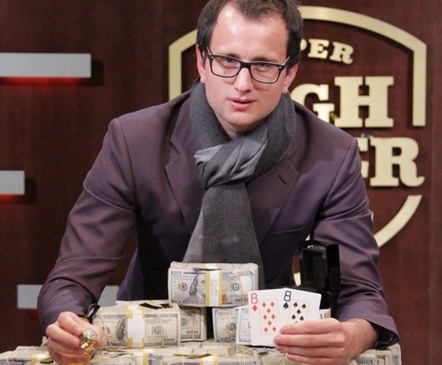
This week the Super High Roller Bowl, which is a $300,000 buy-in tournament every year in May, sold out its allocation of 35 seats to professionals instantaneously. It was in such high demand that 19 professional players who wanted to play could not and may not get a chance to fill the remaining 15 seats.
Around this time last year the same thing happened, despite being in May the event sold out months early. Likewise the two incarnations of the $1 million Big One for One Drop in Las Vegas also had a player cap.
On the surface this looks like a very easy to fix supply and demand problem. More people have the money and desire to play in these events, and hosting an extra 20 players is not difficult to do in an age where some events attract 1,000+ players. Plus from a fanboy perspective, the more big names the better, right?
So why do we restrict Super High Roller events?
A balancing act

The Super High Roller ecosystem, though much smaller than other buy-in sized events, is a much more delicate thing to balance. You both have to protect the professional poker players from ruin and ensure that the recreational players have a great time.
The only reason these events exist is because a small but enthusiastic number of rich businessmen choose to play in them, rather than go to the craps tables. Possibly none of the professional players who attend them are correctly bankrolled to play in them, they all share percentages and get staked. You are going to make the money more often in these events and even if you are only playing for 20% of yourself, a min cash is still very meaningful.
To keep these games going, the recreational players need to be happy. For sure they get a kick out of playing against famous players, but it is also a very daunting prospect to have so many elite players at your table. By controlling the ratio of professional players to amateurs, it ensures the recreational players don’t feel like they have a target on their back. This is precisely why last year there was the first ever €1 million Big One for One Drop in Monte Carlo that was for recreational players only and also why the high stakes games in Macau are invite only.
The payouts tend to be flatter in these events, which is a win-win for both groups. The professionals as already mentioned stand to get a lot out of even a min cash, and the amateurs have a much better chance of walking away feeling like a winner. As I have written many times before, recreational players want to feel like their time was well spent, not just their money, and it is good for the game for a couple of them to make the money in these tournaments.
Protecting the poker economy
While most professionals no doubt would scoff at the suggestion, there is also an element of protecting the poker economy at play with these player caps. If everyone who made the money in the Super High Roller Bowl was a recreational player, which is not beyond the realm of possibility with a bit of variance, then that is $15 million taken out of the poker economy. With how much staking and swapping going on, that could impact hundreds of players, not just the 35 registered.
Before the very first Big One for One Drop the WSOP specifically stated this as the reason for the player cap, saying they did not want to harm the high stakes community too much. This actually happened in the early 2000s with the infamous Corporation vs Andy Beal matches. While the Corporation (a team of the best known professionals who had pooled their money together to play the rich amateur) was ultimately the big winners in these events, Beal did win some of the matches and literally broke a lot of well known players after one match (“Go home Andy, we’re broke” Doyle Brunson famously told him).
When tournaments are accessible to a huge portion of the poker community (even events as big as $25,000) it makes perfect sense to encourage as many butts in seats as possible. Then the name of the game is making as big a prize pool as possible and everybody is happy with that. But the Super High Roller scene really is about making a very fun and very expensive home game for rich amateurs, and most of the professionals involved know that to keep the party going they have to sit on the sidelines now and then.
Do you think Super High Rollers should have player caps? Share your views in the comments:
