Skip to forum
Coronavirus
 
Benachrichtigungen
Alles löschen
32.6 K Beiträge
630 Benutzer
436489 Reactions
2.9 M Ansichten
wahnfried
Joined: 29.08.2007

Original von Dodger23
Muss hier mal nen Herz für meine Steuerberaterin hier lassen.
Heute kam ja die Meldung, daß kleinere Unternehmen ja irgendwelche soforthilfen erhalten sollen. Da sie meine finanzielle Situation wahrscheinlich besser kennt als ich selbst, hat sie mir proaktiv vorgeschlagen, darauf zu verzichten. Stattdessen stellen wir mich rückwirkend zum ersten dieses Monats auf 455e Basis in meiner eigenen Firma ein (Kapital ist mehr als genug vorhanden, müsste eigentlich jetzt einen großen Teil der Standmieten für den Sommer bezahlen). Damit ist mir der mit Abstand größte Posten in meinen Ausgaben - die private KV - abgedeckt, gehe jetzt erst einmal in die gesetzliche zurück. Und ich nehme noch einen kleinen Teil aus der Firma raus, womit ich ein bisschen mehr als die Miete abdecken kann. Während wir am Telefon quatschen, hört man ihre beiden Kinder im Hintergrund Unfug machen. Wow, wie sie gefühlt immer das beste für mich (und ihre anderen Kunden) rausholt und trotzdem das große Ganze im Auge hat. Und sie hat ja auch vollkommen recht, ich kann es mir halt echt leisten, mal 12 Monate ohne Auftrag, Job hab ich ja jetzt, dazustehen.

Schön das es Menschen gibt, die den Überblick behalten und sich keine Sorgen machen zu verhungern...

Hast du eine GmbH? "ich nehme noch einen kleinen Teil bei der Firma raus" spricht ja eigentlich dem entgegen.

Allgemein gesprochen: Bei Einzelfirmen / eK`s geht das grundsätzlich nicht, und bei GmbH`s und UG`s mit nur einem Gesellschafter geht es auch nicht, und bei mehreren Gesellschaften stellt das Finanzamt strenge Anforderungen.

Hoffentlich ist das nicht so eine typische Steuerberater-Schnapsidee (wie z.B. die GbR mbH), die dir nur Ärger einbringt. Lass dir schriftlich geben, dass das so in Ordnung geht, dann is die StBín wenigstens in der Haftung.....

Ne bessere Idee bei einer Einzelfirma finde ich, das Gewerbe erst mal ruhend zu stellen (gegenüber dem Finanzamt und IHK, KK mitteilen) und dann irgendwo anders Sozialversicherungspflichtig arbeiten. Tankstellen und Lebensmittelhändler suchen hier für alles mögliche - Waschstraße, Scheiben wischen, Regale befüllen). Musst ja nur in die Sozialversicherungspflicht kommen und brauchst das nicht Vollzeit zu tun. Entnehmen kannst du ja eh wie du willst.



Antwort
Zitat
Gofa
Joined: 23.09.2007

https://www.telegraph.co.uk/news/2020/03/18/does-germany-have-low-coronavirus-death-rate/

Hat jemand Zugriff auf den Artikel und kann zumindest Cliffs geben? Ich hatte da schonmal ein Free Trial.


Antwort
Zitat
SeriousF
Joined: 31.08.2007

Weil hier mal behauptet wurde, die offenen Fälle von der Diamond Princess seien sicherlich nicht 6 Wochen lang in Behandlung, sondern einfach nur nicht gepflegte Daten:
"Das chinesische Touristenehepaar, das als erster Coronavirus-Infektionsfall in Italien gemeldet worden war, hat das römische Krankenhaus Spallanzani verlassen, wo es seit 30. Jänner behandelt wurde. Das teilte der Direktor des auf Infektionskrankheiten spezialisierten Krankenhauses, Francesco Vaia, im Interview mit dem TV-Sender Sky heute mit."


Antwort
Zitat
schoeller18
Joined: 19.11.2008

Original von Gofahttps://www.telegraph.co.uk/news/2020/03/18/does-germany-have-low-coronavirus-death-rate/

Hat jemand Zugriff auf den Artikel und kann zumindest Cliffs geben? Ich hatte da schonmal ein Free Trial.

Why does Germany have such a low coronavirus death rate?
Germany's numbers from the Covid-19 virus have puzzled scientists as nearby countries record high death tolls

Scientists are struggling to understand why the death rate from the coronavirus is so much lower in Germany than other countries. Germany has seen just 27 deaths from the virus so far despite recording 10,082 infections — more than anywhere except China, Italy, Iran and Spain.

That represents a fatality rate of just 0.2 per cent, compared to 7.9 per cent in Italy — raising hopes Germany might be doing something right that other countries can follow.

The disparity has even led to allegations of a German cover-up by the Italian far-Right. But experts have cautioned that Germany may simply be at an earlier stage of the pandemic, and that death rates here may soon catch up.

But they also point to other factors that may be helping keep the German death rate down.

“Germany has had a very aggressive testing process,” Dr Mike Ryan, health emergencies director at the World Health Organisation (WHO) said. “So the number of tests maybe detecting more mild cases.

“From the beginning, we have very systematically called upon our doctors to test people,” Prof Lothar Wieler of Germany’s Robert Koch Institute said.

“We can provide testing to a high degree so that we can easily look into the beginnings of the epidemic."

“Test, test, test” has become the WHO’s mantra in fighting the coronavirus, and experts say Germany’s vigorous testing programme may be doing more than just keeping the death rate down by documenting more cases.

“Italy has a much older population. And in many ways Italy is the poster child for living longer lives, but unfortunately in this case having an older population means the fatality rate may appear higher,” Dr Ryan said.

Official figures show that rates of infection among the most vulnerable age group, those aged 60 and above, are much lower in Germany than elsewhere.

That may just be a case of luck, but it may be that by identifying cases early, Germany has been able to track chains of infection and prevent the virus reaching the most vulnerable.

“There is a very big systemic difference between Germany and other countries,” Christian Drosten, the leading virologist at Berlin’s Charite teaching hospital, told Watson magazine.

“Our regulations for the introduction of new test procedures are very liberal. In other countries, there is a central authority that does all the testing for new diseases.”

By contrast, in Germany any doctor can perform a coronavirus test and public health insurance will pay. Germany is not the only country to record a lower death rate. In South Korea fatalities have also been much lower than the general trend.

“In South Korea it appears it was probably a combination of factors, rather than just one,” says Suerie Moon of the Graduate Insititute in Geneva. “Initial cases were among the young, and focused around one church which made it easier for the authorities to contain. But it appears testing also played a crucial role.”

Other differences in the German health system may also be significant. The country has far more intensive care (ICU) beds than anywhere else in Europe.

Intensive care beds can mean the difference between life and death for those who become seriously ill with the virus, and dire reports from northern Italy have told of doctors being forced to choose which patients get them.

Germany has 28,000 ICU beds. By contrast, the UK has just 4,000. And 25,000 of Germany’s already have the ventilators seriously ill patients need.

At the outbreak of the crisis, Germany had 29.2 intensive care beds per 100,000 people. Italy had 12.5. The UK had just 6.6.

In part, that is because of the different way healthcare is funded in Germany. Public health insurance is compulsory and collected at source alongside income tax — but it is passed directly to insurance funds and never enters government coffers, effectively firewalling health funding.

Germany may be better prepared for the virus than most of its neighbours, but it may yet need all the beds it has. Authorities here have warned people not to be complacent about the death rate.

“This is just the beginning for Germany,” said Prof Wieler of the Robert Koch Institute. “If you imagine an epidemic like a curve, then there are countries that are simply further along it.”


Antwort
Zitat
cIassic23
Joined: 14.08.2006

Original von Gofahttps://www.telegraph.co.uk/news/2020/03/18/does-germany-have-low-coronavirus-death-rate/

Hat jemand Zugriff auf den Artikel und kann zumindest Cliffs geben? Ich hatte da schonmal ein Free Trial.

normal würde ich paywall respektieren - bei dem Thema will ich paywalls aber nicht unterstützen - falls Mods das nicht ok finden bitte löschen:

Spoiler

Scientists are struggling to understand why the death rate from the coronavirus is so much lower in Germany than other countries. Germany has seen just 27 deaths from the virus so far despite recording 10,082 infections — more than anywhere except China, Italy, Iran and Spain.

That represents a fatality rate of just 0.2 per cent, compared to 7.9 per cent in Italy — raising hopes Germany might be doing something right that other countries can follow.

The disparity has even led to allegations of a German cover-up by the Italian far-Right. But experts have cautioned that Germany may simply be at an earlier stage of the pandemic, and that death rates here may soon catch up.

But they also point to other factors that may be helping keep the German death rate down.

“Germany has had a very aggressive testing process,” Dr Mike Ryan, health emergencies director at the World Health Organisation (WHO) said. “So the number of tests maybe detecting more mild cases.

“From the beginning, we have very systematically called upon our doctors to test people,” Prof Lothar Wieler of Germany’s Robert Koch Institute said.

“We can provide testing to a high degree so that we can easily look into the beginnings of the epidemic."

“Test, test, test” has become the WHO’s mantra in fighting the coronavirus, and experts say Germany’s vigorous testing programme may be doing more than just keeping the death rate down by documenting more cases.

“Italy has a much older population. And in many ways Italy is the poster child for living longer lives, but unfortunately in this case having an older population means the fatality rate may appear higher,” Dr Ryan said.

Official figures show that rates of infection among the most vulnerable age group, those aged 60 and above, are much lower in Germany than elsewhere.

That may just be a case of luck, but it may be that by identifying cases early, Germany has been able to track chains of infection and prevent the virus reaching the most vulnerable.

“There is a very big systemic difference between Germany and other countries,” Christian Drosten, the leading virologist at Berlin’s Charite teaching hospital, told Watson magazine.

“Our regulations for the introduction of new test procedures are very liberal. In other countries, there is a central authority that does all the testing for new diseases.”

By contrast, in Germany any doctor can perform a coronavirus test and public health insurance will pay. Germany is not the only country to record a lower death rate. In South Korea fatalities have also been much lower than the general trend.

“In South Korea it appears it was probably a combination of factors, rather than just one,” says Suerie Moon of the Graduate Insititute in Geneva. “Initial cases were among the young, and focused around one church which made it easier for the authorities to contain. But it appears testing also played a crucial role.”

Other differences in the German health system may also be significant. The country has far more intensive care (ICU) beds than anywhere else in Europe.

Intensive care beds can mean the difference between life and death for those who become seriously ill with the virus, and dire reports from northern Italy have told of doctors being forced to choose which patients get them.

Germany has 28,000 ICU beds. By contrast, the UK has just 4,000. And 25,000 of Germany’s already have the ventilators seriously ill patients need.

At the outbreak of the crisis, Germany had 29.2 intensive care beds per 100,000 people. Italy had 12.5. The UK had just 6.6.

In part, that is because of the different way healthcare is funded in Germany. Public health insurance is compulsory and collected at source alongside income tax — but it is passed directly to insurance funds and never enters government coffers, effectively firewalling health funding.

Germany may be better prepared for the virus than most of its neighbours, but it may yet need all the beds it has. Authorities here have warned people not to be complacent about the death rate.

“This is just the beginning for Germany,” said Prof Wieler of the Robert Koch Institute. “If you imagine an epidemic like a curve, then there are countries that are simply further along it.”


Antwort
Zitat
JollyRoger183
Joined: 03.02.2007

Hier findet man ein paar Zahlen und Grafiken zur derzeitigen Testsituation in verschiedenen Ländern:

https://ourworldindata.org/covid-testing

leider ohne Germany


Antwort
Zitat
Wody
Joined: 23.01.2007

In Italien hatten fast alle Tote Vorerkrankungen. 3/4 hatten hohen Blutdruck, mehr als ein Drittel Diabetes und fast ein Dritte hatte eine Herzkrankheit. Nur 3 von mehr als 2000 Untersuchten hatten keine Vorerkrankungen.
https://www.welt.de/wissenschaft/article206649557/Coronavirus-Das-weiss-Italien-ueber-die-Toten.html

Bei den Todesopfern unter 40 Jahren handelte es sich der Studie zufolge ausschließlich um Männer mit schwerwiegenden Vorerkrankungen – etwa Herz-Kreislauf-Erkrankungen und Nierenleiden oder Diabetes.

Bei solchen Statistiken wird es unmöglich sein, den jungen Leuten unter 30 einen langen Shutdown aufzuzwingen.


Antwort
Zitat
weissnich
Joined: 28.01.2008

übrigens mal was interessantes zum klopapier.. heut war ne kundin bei mir.. die im netto arbeitet.. sie sagte klopapier liegt im zentrallager.. aber es wird wenig geliefert,weil es sich nicht lohnt.. der lkw ist immer mit anderem voll.. es bringt halt mehr ne palette dosen und nudeln zu fahren als klopapier.. und es gibt zuwenig lkw fahrer zur zeit.. keine polen ud tschechen da.. tja deutschland da haste wohl verkackt..


Antwort
Zitat
StefanNRW
Joined: 15.08.2007

Hatte ja einen längeren Beitrag zu Medikamenten geschrieben. Auf Favipiravir bin ich da noch nicht eingegangen, weil halt die anderen vielversprechender sind. Hier sind überraschend positive News!

https://nypost.com/2020/03/18/japanese-flu-drug-clearly-effective-in-treating-coronavirus-officials-say/

Bei schweren Verläufen wirkt es allerdings nicht so gut. Und die Daten müssen natürlich erst noch genau angeschaut werden.

Aber basierend auf den präklinischen Daten sollte Remdesivir mindestens genauso gut, eher noch besser wirken.

edit: Bei Favipiravir gibt es aber wohl die Möglichkeit, dass es Geburtsfehler verursacht.

https://www.ft.com/content/1c6cbefc-6925-11ea-800d-da70cff6e4d3


Antwort
Zitat
domano
Joined: 04.08.2006

Original von Wody
In Italien hatten fast alle Tote Vorerkrankungen. 3/4 hatten hohen Blutdruck, mehr als ein Drittel Diabetes und fast ein Dritte hatte eine Herzkrankheit. Nur 3 von mehr als 2000 Untersuchten hatten keine Vorerkrankungen.
https://www.welt.de/wissenschaft/article206649557/Coronavirus-Das-weiss-Italien-ueber-die-Toten.html

Bei den Todesopfern unter 40 Jahren handelte es sich der Studie zufolge ausschließlich um Männer mit schwerwiegenden Vorerkrankungen – etwa Herz-Kreislauf-Erkrankungen und Nierenleiden oder Diabetes.

Bei solchen Statistiken wird es unmöglich sein, den jungen Leuten unter 30 einen langen Shutdown aufzuzwingen.

krass, wenn sich das bewahrheitet ist das imo die beste Nachricht seitdem die Situation eskaliert ist und wir könnten imo schnell zu business as usual übergehen und eben die Risikogruppen besonders schützen. Zum Glück werden solche Zahlen in den nächsten Tagen/Wochen immer mehr verfügbar sein und die Maßnahmen können dann entsprechend daran angepasst werden.


Antwort
Zitat
Sim87
Joined: 29.10.2006

Original von schoeller18

Original von Gofahttps://www.telegraph.co.uk/news/2020/03/18/does-germany-have-low-coronavirus-death-rate/

Italy has a much older population. And in many ways Italy is the poster child for living longer lives, but unfortunately in this case having an older population means the fatality rate may appear higher,” Dr Ryan said.

Hä?


Antwort
Zitat
domano
Joined: 04.08.2006

darüber habe ich mich auch schon gewundert, dachte immer wir wären die ältesten nach den Japanern.


Antwort
Zitat
iGoD1989
Joined: 20.01.2008

kam mir grade etwas komisch dabei vor, Klopapier zu kaufen :yaoming:


Antwort
Zitat
lastdayever
Joined: 16.04.2006

Original von domano
...krass, wenn sich das bewahrheitet ist das imo die beste Nachricht seitdem die Situation eskaliert ist...

Das dachte ich zuerst auch. Aber allein in D haben laut RKI 20 Millionen Menschen Bluthochdruck.
Das relativiert das ganze schon wieder erheblich imo.
RKI Blutdruck


Antwort
Zitat
kappe69
Joined: 01.08.2006
domano
Joined: 04.08.2006

im artikel steht ja auch mehrere vorerkrankungen. Denke jemand der anisch fit ist und zu hohen Blutdruck hat wird da nicht dazu gehören.

Ich denke das was Drosten letzte Woche gesagt hat trifft es ganz gut: Menschen die nicht ohne große Probleme 2 etagen treppensteigen können haben ein problem. Ein fitter Diabetiker ist wohl auch nicht unbedingt Risikogruppe. Jemand der aber 150kg wiegt und stark raucht, wird dafür dazu gehören.


Antwort
Zitat
Rubnik
Joined: 12.02.2006

Ltt Artikel scheint es vor allem um die Kombi Bluthochdruck + 1 weitere Vorerkrankung zu gehen.
Und wie gerade gepostet wurde haben das in D schonmal 20%.
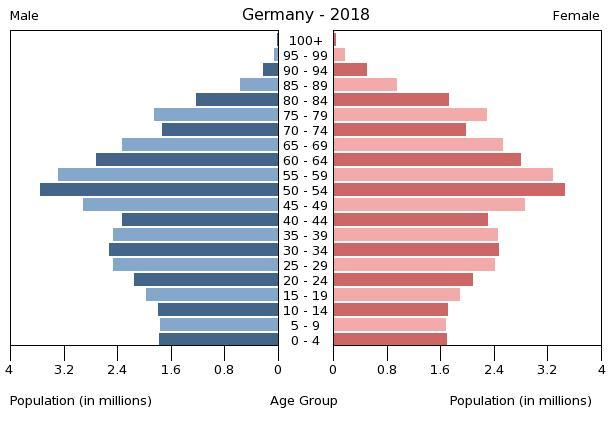
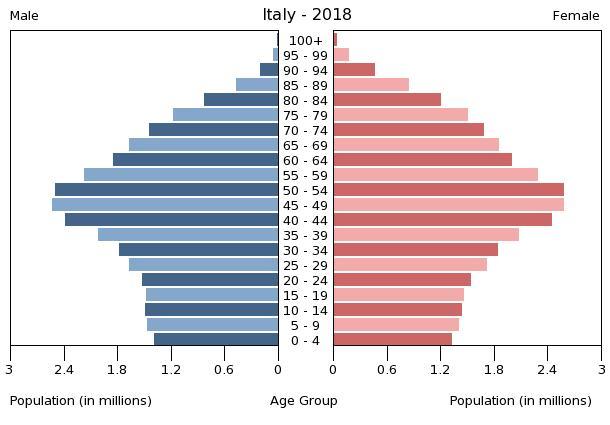
Man sollte wohl nicht unterschätzen daß unfitte 40+ wohl gefährdet sind. Das ist ja auch die Altersgruppe, die in Italien deutlich stärker vertreten ist als in D. Im Bereich 65+ geben sich die Pyramiden nicht viel...


Antwort
Zitat
FlySociety
Joined: 14.09.2011

auch kerngesunde 30 jährige können ein sehr schweren verlauf haben. man sollte das wirklich auf keinen fall unterschätzen. Ein bekannter eines bekannten ist 29 topfit und mehr oder weniger leistungssportler und muss momentan beatmet werden.
gefühlt ist die schwere des verlaufs manchmal komplett random oder das virus is einfach noch zu unerforscht um bestimmte sachen zu erkennen.


Antwort
Zitat
Wody
Joined: 23.01.2007

Original von domano
krass, wenn sich das bewahrheitet ist das imo die beste Nachricht seitdem die Situation eskaliert ist und wir könnten imo schnell zu business as usual übergehen und eben die Risikogruppen besonders schützen. Zum Glück werden solche Zahlen in den nächsten Tagen/Wochen immer mehr verfügbar sein und die Maßnahmen können dann entsprechend daran angepasst werden.

Ich teile deinen Optimismus, allerdings gibt es auch große Unsicherheiten bezüglich deiner Interpretation.
Zum einen geht nicht hervor, wie viele "junge" Menschen trotzdem eine Behandlung im Krankenhaus benötigen um zu überleben. Zum anderen kann es auch sein, dass die Jungen nur noch nicht gestorben sind. Laut Statistiken aus China dauert es im Schnitt 19 Tage von den Symptomen bis zum Tod, also bei jungen Leuten eher mehr. Wenn man jetzt 19 Tage zurückschaut in Italien, da gab es erst 117 Infizierte.


Antwort
Zitat
Froned
Joined: 30.07.2007

Wenn man schon in der Öffentlichkeit mit Zahlen hantiert, warum nicht mit Prognosezahlen? Aktuell argumentieren die meisten Kritiker mit aktuellen Ist-Zahlen vs. Bevölkerungszahlen vs. 20 k Grippetoten. Wenn man nur (!!!) diese Zahlen heranzieht, ist es ein leichtes die aktuellen Maßnahmen ins Lächerliche zu ziehen. Warum stellt man in seiner Argumentation nicht mal offensiv (!!!!) die, aktuellen Studien zu Grunde liegende, maßnahmenlose Zahl der Toten zum Ende der Coronaphase in den Vordergrund?


Antwort
Zitat