Dies ist noch eine Ergänzung zum gestrigen post aus aktuellem Anlass:
Chesapeake hat bekanntgegeben, dass das Unternehmen Assets im Wert von rd. 700 Mio USD veräußern will, um die in den nächsten 3 Wochen anstehenden Verbindlichkeiten von rd. 500 Mio USD begleichen zu können.
Und im laufenden Jahr will Chesapeake weitere 500 -1.000 Mio USD an " Inventar " zu diesem Zweck veräußern.
Unter solche Assets fallen die beschriebenen short Hedging Positionen.
http://www.bloomberg.com/news/articles/2016-02-24/chesapeake-asset-sales-increase-to-700-million-in-first-quarter
Hinweis:
Viele der Ölförderländer verfügen über einen Staatsfonds ( Sovereign Wealth Funds ), die u.a. zum Schutz vor Inflation, Ausgleich von Preisschwankungen an den Rohstoffmärkten, Ausgleich von Haushaltsdefiziten etc. angelegt worden sind.
Das Gesamtvolumen der SWF weltweit beträgt laut dieser Statistik im Dez. 2015 rd. 7 Billionen USD.
http://www.swfinstitute.org/sovereign-wealth-fund-rankings/
Aufgrund des kontinuierlichen Ölpreisverfalls und Niedrigpreisniveaus erfüllen die Staatsfonds ihren Zweck und es werden Positionen aufgelöst ( lt. FT-Artikel im Gegenwert von rd. 19 Mrd USD in Q3 2015 ), d.h. es werden zuerst die liquiden Assets, wie Aktien - darunter fallen z.B. Apple, die Dividendengaranten Exxonmobil, Shell, Chevron etc. ) verkauft.
Hier ein Artikel der FT zur Thematik:
( der Text ist w. Abo im Spoiler kopiert )
Sovereign wealth funds drive turbulent trading
Spoiler
Sovereign wealth funds drive turbulent trading
Attracta Mooney
Asset managers have blamed outflows from sovereign wealth funds for one of the worst starts to the year for markets. The collapse in the price of oil resulted in state-backed investment vehicles becoming “forced sellers”.
The year began with a sharp drop in equity markets. UK and US stocks fell almost 10 per cent in the first few weeks of 2016 and emerging markets were hit even harder.
Philippe Ferreira, a director at Lyxor Asset Management, the €116bn fund house, said sovereign wealth funds have been driving the turbulent trading conditions.
“We know the sovereign wealth funds are under pressure to sell and that is contributing to the market pressure we are seeing,” he said.
“Sovereign wealth funds have become forced sellers,” added Guy Monson, chief investment officer of Sarasin & Partners, a UK boutique investment manager.
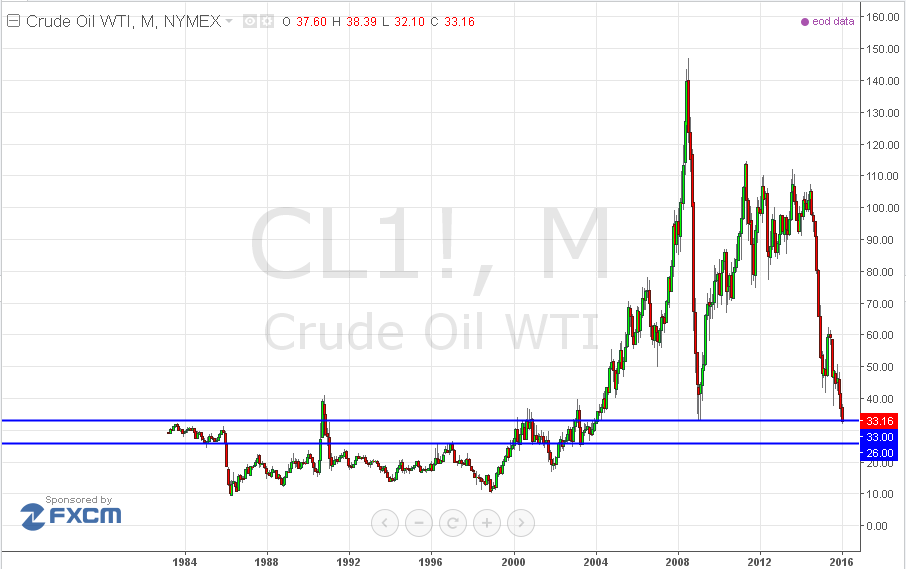
Governments across the Gulf have raided their SWFs to prop up their economies as tax receipts fell on the back of the slump in the price of oil. The price dipped below $30 a barrel in January for the first time in 12 years, although it rebounded slightly last week.
Percival Stanion, head of Pictet Asset Management’s multi-asset team, said: “One corollary of the oil price fall is that it appears to have forced some sovereign wealth funds in the Middle East to liquidate some of their equity holdings. This has intensified the equity market sell-off.”
Sovereign funds’ importance in global financial markets increased in recent years on the back of a large rise in their assets under management.
According to Capital Economics, an independent research company, the ratio of assets managed by state funds relative to the size of global equity and bond markets has increased from 5 per cent in 2007 to almost 9 per cent in 2015.
Michael Maduell, president of the Sovereign Wealth Fund Institute, a US-based consultancy, said state funds in need of cash were selling so-called liquid assets, such as high-grade bonds and equities, in particular.
Lyxor estimated the assets managed by state-backed investment vehicles in the Gulf region have dropped by around $300bn in recent months.
The Saudi Arabian Monetary Agency, which oversees the kingdom’s foreign reserves, withdrew about $70bn from external managers last year to support its economy. The country’s state budget deficit is currently at a record high.
Oil-rich Kazakhstan has also raided its SWF. Its assets have fallen 16.8 per cent since August 2014.
Greg Venizelos, a strategist at Axa Investment Managers, said the market turbulence was a result of direct withdrawals from the market and money being pulled from external fund houses.
Sovereign funds withdrew at least $19bn from external asset managers during the third quarter of 2015, according to eVestment, the data provider. Aberdeen Asset Management, Northern Trust, Franklin Resources and Old Mutual Asset Management have each said they suffered redemptions from government funds in recent months.
On a call with analysts last week, Aberdeen said it expected further withdrawals from SWFs in the coming months, with the weak oil prices being a motivating factor.
More than three-quarters of oil-backed vehicles outside North America expect governments to withdraw money because of sustained low oil prices, according to research by Invesco, the US fund manager.