


GTO Poker Theories: Fundamental Attribution Error
If you blame all your losses on variance but think other people lose because they are stupid, this is a cognitive bias you need to know.
One of the real gifts poker has given me is that it has been a great jumping off point to learn things from other disciplines like economics, AI, psychology and Game Theory. So here is a series of articles where I bring some of the most interesting things I have learned from other subjects outside of poker which are applicable in this game we know and love.
The Fundamental Attribution Error is a common cognitive bias whereby we tend to attribute internal characteristics to the behaviour of others, whereas we justify our own decisions largely on external factors.
The classic example is when we are driving and somebody cuts us off in traffic. Most of the time we attribute the other driver’s aggressive driving to an internal trait such as being selfish, or rude, or angry. However, the times we ourselves cut somebody off in traffic we are quick to rationalise based on external factors like being late for work. We never consider that the person who cut us off might have been rushing their pregnant wife to hospital to give birth, we just assume they are jerks.
Fundamental Attribution Error has been widely debated, replicated and explained since it was first coined in 1967 by Lee Ross. Once you know it, you start to see examples of it everywhere and hopefully use it to take a step back and not judge others so harshly. In particular you see it at play in the political arena where people on the other side of the political spectrum are often described simply as being evil, whereas when there are bad actors on one’s own side of things they become the victims of circumstance.
Don't get married to a read
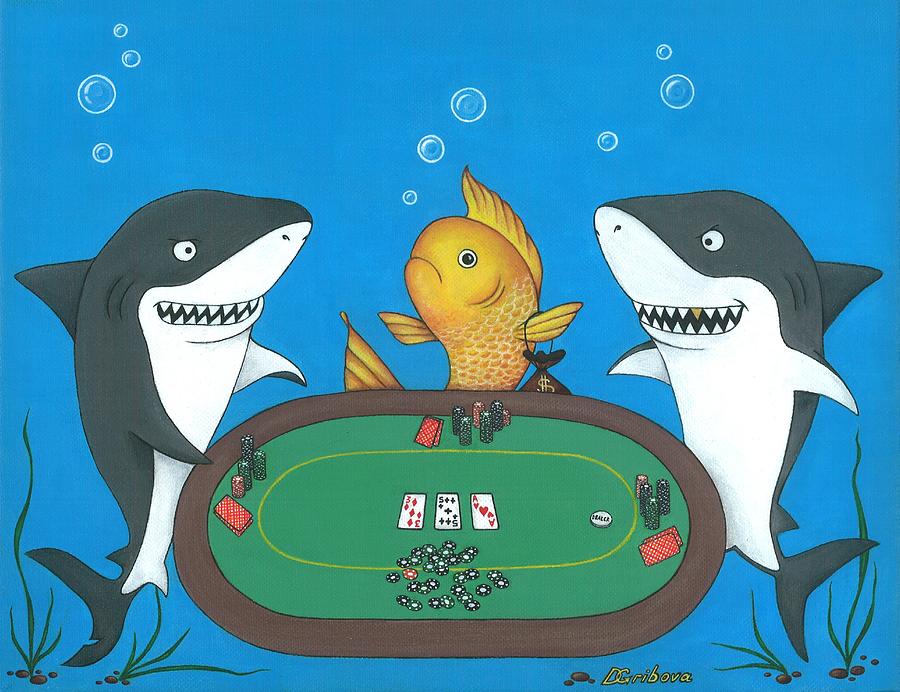
Once you understand Fundamental Attribution Error there are two ways it can show itself at the poker table.
The first one is in how we categorise our opponents. Establishing reads (and making notes) about the other players at the table is part of the game. We have to profile our opponents so that we can create a gameplan to play against them.
The Fundamental Attribution Error should show us, however, the importance of modifying the reads we have on our opponents. There are so many unknowns in poker, until we have a large sample of evidence we should avoid sticking rigidly to those early reads.
For example, if the first significant hand we play against someone they call a 4-bet all-in with Q9 offsuit, it would be very tempting to make a note that they are a complete maniac and then proceed as if that’s the case. However, you should always be prepared to change your opinion. There could be all manner of reasons why they made the call that has nothing to do with them being a maniac – they might have misclicked, they might be doing something crazy to set up a wild image, they might have been drunk, they might be playing much lower stakes than normal and are gambling for fun, somebody else might be playing their account, they could be late for something and want to gamble and end the tournament, the list goes on.
Until you have other information the wisest thing to do probably would be to assume they are a maniac, but be ready to change your read when you have more information.
Stop focussing on external factors
The other thing Fundamental Attribution Error highlights is how quickly we are to dismiss our own shortcomings because of external factors. In the case of poker, that is usually in the form of us blaming variance (rather than our errors) for the result of a session.
This is a common theme in poker (and it has come up a lot in this series of articles I have been doing this year, you can read them all below). We assume our losses are down to luck, and Fundamental Attribution Error provides an extra layer of context to that bias. We are more likely to give ourselves the benefit of the doubt and suggest that the Poker Gods were against us, rather than maybe the five things we could have done differently in the hand.
My good friend and mental game coach Jared Tendler has a simple tool for how to review your own play, which to some degree would mitigate the impact of Fundamental Attribution Error. After every time you play, he suggests simply you get in the habit of asking yourself how big a factor the following three things were in your results that session:
- My skill
- My opponent's skill
- Variance
Obviously you will be naturally biased to inflate the first and last one, but if you keep doing it as a matter of habit, you will find yourself asking the right questions, and not jumping to the conclusion that all your opponent’s were donks and if it wasn’t for luck you’d win every time.
What theories from outside of poker have helped your game? Let us know in the comments.
Related articles
