


Money lessons for poker players - Lifestyle Creep
Making money is one thing, keeping it is a whole other challenge, especially when you try and keep up with the Joneses.

Poker is a game played with money, but how well do poker players understand money itself? I have found that the answer to that question tends to be at the extremes, poker players tend to understand money incredibly well (hence they often branch out into things like investing, trading, crypto) or indeed they are terrible with money which is why a lot of otherwise talented players end up going broke.
With that in mind I wanted to start a series that briefly touched on money concepts that I think poker players need to understand and should do further research on.
When you see somebody driving an expensive car, you assume that they are rich. The reality is that the only thing it should tell you is that they bought an expensive car. A lot of people who on the surface appear to be doing very well are a couple of bad months away from going completely broke, because of a concept called lifestyle creep.
Lifestyle creep is when you increase your standard of living whenever your discretionary income increases. You get a pay rise, so you buy a new car. You get a new job, so you buy a new house. You get a bonus, so you go on a shopping spree. We have all been in a situation where we get a pay rise but still end up running out of money before the next pay cheque. It is popularly known as ‘keeping up with the Joneses’.
Spend less than you earn
Not only do you not really see any gains to your overall wealth despite getting pay increases, an unforeseen circumstance like losing your job could lead to you no longer being able to afford your lifestyle. A lot of people who led very lavish lives really suffer when they retire because they did not put enough money away for retirement to keep them in a manner they were accustomed to.
The simple, boring, answer to lifestyle creep and wealth in general is to spend less than you earn. It’s boring and seemingly obvious, but very few people are able to follow the advice. I have just finished the superb Psychology of Money by Morgan Housel where he comes to the same conclusion.
What is The Golden Rule Of Wealth??@morganhousel dropping bombs in this new podcast 💣
Listen now, right now 🔗 https://t.co/ZiYOsVgRHz pic.twitter.com/pvH5rNahO9
— Chris Williamson (@ChrisWillx) September 23, 2020
After the very tragic cases where poker players end up with gambling problems, I would say lifestyle creep is perhaps the main reasons they struggle financially. A lot of young guys might think they can just print money and spend accordingly.
The game always changes
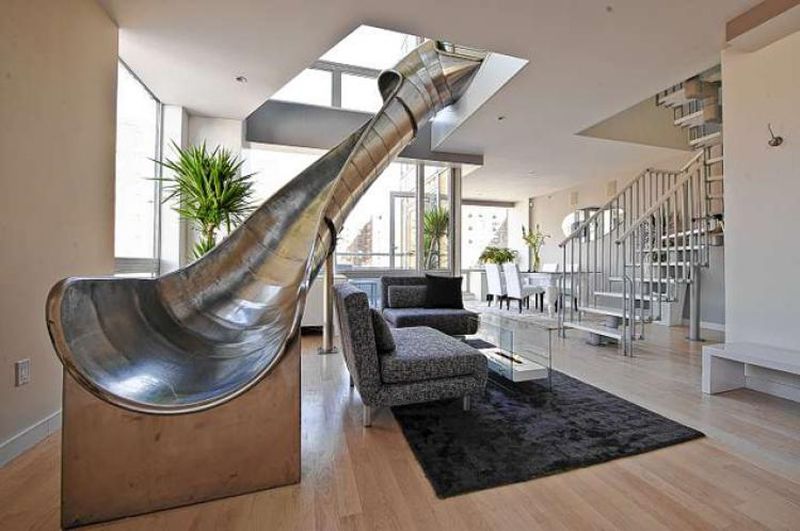
However a lot of things change in poker that nobody can see coming which will really hurt you if you have been spending too much. Your bread and butter game changing, for example, or getting tougher. If you are a live poker player the lockdowns have obviously hurt your ability to earn and if you are an online player Black Friday did the same. My all time favourite poker tweet was this hilarious one from Phil Galfond, which demonstrates this perfectly. He famously had a New York penthouse with a slide in it, which all of a sudden looked hard to afford when the DOJ essentially took away online poker on Black Friday:
Does anyone want to buy a slide?
— Phil Galfond (@PhilGalfond) April 15, 2011
Poker players also have a form of lifestyle creep in which they may find it hard to move down in stakes. They derived some feeling of status or importance because they were able to beat a high stakes game but whether it is bankroll issues or the games getting tougher, are unable to move down when it would be prudent for them to do it. I don’t need to tell you how disastrous this could be.
The professional poker players I know who have lasted the longest often have a healthy fear of lifestyle creep. They will share a room, for example, in a hotel even if the tournament they are playing in has a five-figure buy-in. They will sell or swap action in games to avoid being overexposed. They will maturely drop down in stakes when the situation merits it.
The best way to avoid lifestyle creep is to instantly save or invest at least some of the difference whenever your earnings increase rather than seeing it as an opportunity to treat yourself. If you really want to see the opposite of lifestyle creep, check out the FIRE movement of young people retiring early which I suspect a lot of poker players could really get on board with.
What other financial concepts do you think poker players need to understand? Let us know in the comments.
