


GTO Poker Theories - Hitchen's Razor
If you cannot prove your point with evidence, it is not worth debating. True in poker and in life.
One of the real gifts poker has given me is that it has been a great jumping off point to learn things from other disciplines like economics, AI, psychology and Game Theory. So here is a series of articles where I bring some of the most interesting things I have learned from other subjects outside of poker which are applicable in this game we know and love.
After looking at The Luck Razor last week we take a look at another philosophical razor, Hitchen's Razor.
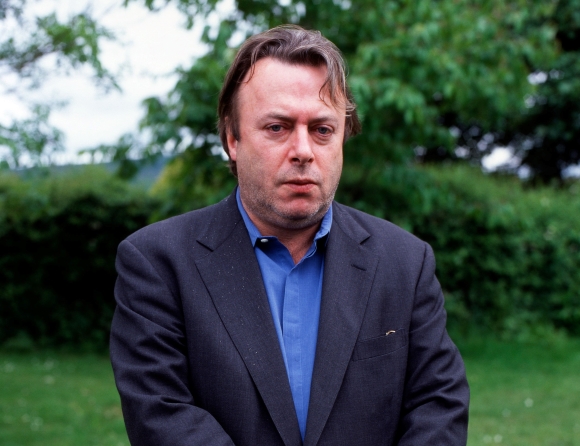
Hitchen's Razor is named after the great British author Christopher Hitchens and a famous quote of his which states "what can be asserted without evidence can also be dismissed without evidence." It is very similar to 'Alder's Razor' which is loosely defined as "if something cannot be settled by experiment or observation, then it is not worthy of debate."
Hitchen's was famously an atheist and a fierce debater. Hitchen's Razor was mostly applied in his criticism of religion. The razor asserts that the burden of proof regarding truthfulness is on the person making the claim. If they are unable to do that, it is not on the opponents of the claim to argue further.
Avoid the subjective in poker
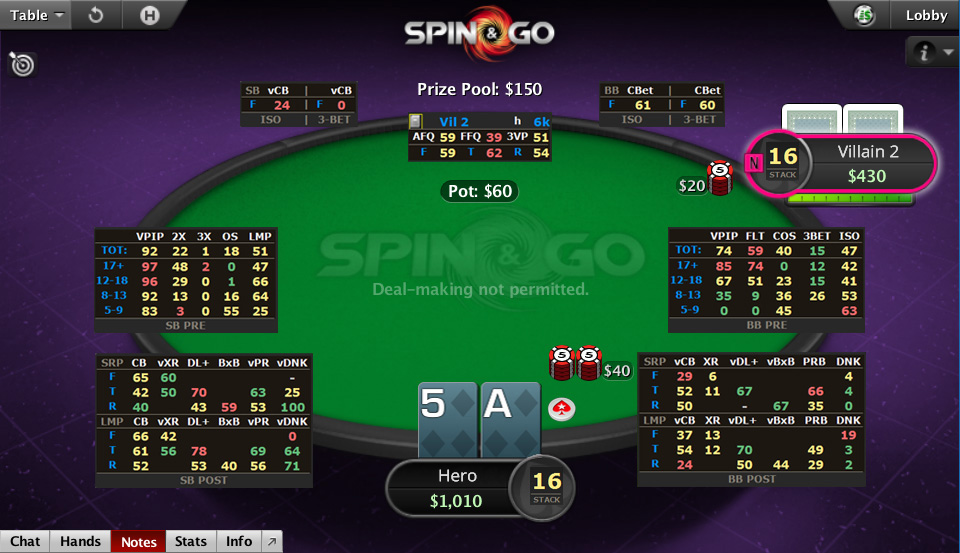
To steer this conversation away from a religious debate as quickly as possible, I think Hitchen's Razor is easily applied to poker.
Poker has advanced so much in recent years that we really do not need to have strategy debates that cannot be tested. We have tracking software and solvers that can provide quite definitive answers to a lot of poker questions. Even GTO solvers like PIOSolver can 'node lock' meaning they adjust based on a defined player leak, so we have answers to exploitative as well as GTO questions.
There is no need to debate poker questions that are vague and subjective. I am reminded of this article on tells by Dara O'Kearney where he points to how people use physical tells to prove or disprove a personal bias, rather than attain any reliable replicable information. We can't prove a tell means one thing or another, nor can we derive anything meaningful from a gut instinct or 'feeling'.
There is so much you can actually answer these days in this game of incomplete information, don't waste time debating that which we cannot.
What theories from outside of poker have helped your game? Let us know in the comments.
Related articles
