


Social distancing and live poker
We look at the TDA's advice for running poker events during the pandemic as well as look to how live poker might change in the face of COVID-19.
The Poker Tournament Directors Association recenty issued their advice for the card rooms who are still running events. This advice might be moot right now as almost every tournament is cancelled, but it might give a glimpse on what the future of live poker might be like when the world begins to recover from COVID-19.
If poker tournaments are going to continue to run players deserve to have the utmost confidence that the casino has player safety in mind and at a minimum should follow these procedures. #PlayerSafety pic.twitter.com/pYqZfq2mxL
— Poker TDA (@PokerTDA) March 10, 2020
The advice about cleanliness at this stage seems obvious. The future of live poker (and life in general) is going to require all of us to wash our hands more and sanitise our surroundings. Some of the poker events that are currently still happening (including PokerStars events and at King's Casino) have already pledged to have hand wash available, for the equipment to be sanitised and the decks of cards replaced more often.
Less players per table
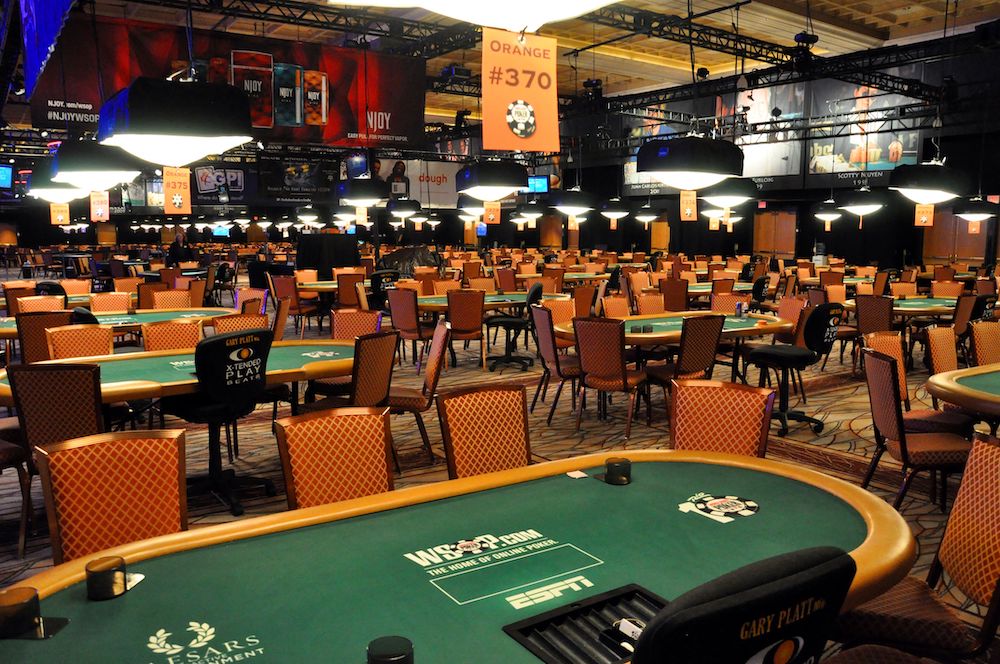
The more interesting implication for the future of live poker is the social distancing aspect. It is simply not possible to run a poker event and not have a lot of people sat close together, but that doesn't mean we need to be as huddled as we have been. When I first started playing poker it was not uncommon to have 11 at a table plus a dealer. The TDA's advice is now nine handed or less, but I would say we should go further.
Maybe now is the time to make six max tables more commonplace? There are plenty of (mostly online) players who wish this was the reality anyway, but it seems like the right balance to strike between keeping the game as we know it and also keeping a reasonable distance between players. The World Health Organisation advice is to keep a metre between you and someone who might be ill, which isn't possible really in poker, but six max rather than full ring is a good compromise.
It is more costly for operators to run shorthanded events, but not as much as you would think. Having spoken to Tournament Directors who have organised Six Max tournaments before they say that the tables break faster, which mitigates the cost a little.
Electronic tables?

One way to really reduce the risk of spreading a virus is to have electronic tables. They have never really taken off before and ultimately I still don't think they will. They would mean no dealer, so more space and one less person at the table, and no passing cards and chips between each other. I doubt this would prove popular, people like handling chips and cards in poker, and I couldn't ever really get behind something that would cost so many jobs, especially when all of us washing our hands more would prove most effective to stop the spread of disease.
How poker adapts to COVID-19 is a trivial concern in the grand scheme of things. However, the coronavirus has been as disruptive to live poker as Black Friday was for online poker. More than anything I hope the industry learns from this and all of us put more emphasis on avoiding the spread of the disease when live poker gets back on its feet.
Until then, if you must go out and play live poker this weekend, remember to wash your hands regularly.
How have your live poker plans changed because of COVID-19? Let us know in the comments:
