


What poker formats are hard to solve?
With all the talk of real time solvers threatening the game we look at what makes a format easier or harder to solve than others.
Last week I suggested that the way to limit the impact of real time solvers was less about taking punitive measures against them and more about tweaking the game we know and love to make it harder to solve.
I cited the trend at PokerStars to introduce new formats like Fusion, Split Hold’em and Unfold as a template. These games were all fundamentally No Limit Texas Hold’em with a twist that a solver would not be used to but a technically sound player could adapt to, with the added benefit of keeping the game fun and fresh.
Today I wanted to discuss the topic of solvability a step further and briefly outline the factors which I consider make a game more or less likely to be solvable. There are some formats, like heads-up Limit Hold’em, that are pretty much 100% solved. There are others like PLO8 PKO tournaments that have a good chance of never being solved. So what are the factors that influence solvability?
Number of players in a hand
Almost everything we have seen so far that has been solved in poker have been heads-up pots. Although No Limit hands can be varied and complex in terms of bet sizing, the options are only ever call/fold/bet/check. If a player is facing a bet they can call, fold or reraise, giving three potential brances of the decision tree. Add a third player into the mix and that makes it six potential branches, and it goes on like that.
So formats that encourage multiway pots are harder to solve, which often means games where equities run close together. PKOs, PLO, split pot games, games with antes etc. They also have the advantage of being more fun for recreational players.

Wide ranges
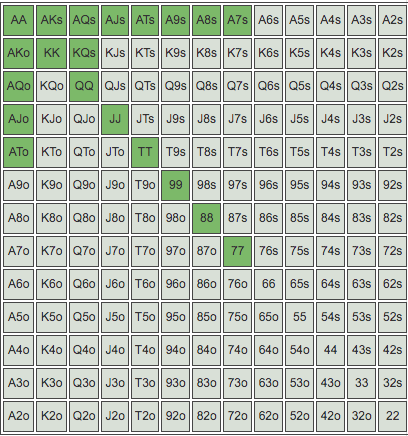
The looser the game, the more complicated it is to solve. You do not need to be an expert on GTO solver software to realise this, just think about how simple poker is when your opponents are tight. When the player who has not played a hand for two hours reraises an UTG opener you can usually assign them a range like AK & JJ+ and as a result different flop textures are easy to play.
When the players can have anything on any board, it requires more simulations to come up with the correct course of action. They have to factor in things like board coverage, splitting ranges, balance and the like.
This is why PLO is far from solved because the players could have anything, at least from a board coverage perspective. This is also why factors which encourage you to widen your range like a straddle, antes, bomb pots and bounties will also make a game harder to solve.
Big effective stacks

Limit Hold’em was solved some time ago because the betting structure is fixed and the number of potential decisions was limited. It is not, therefore, that difficult for a solver to create a decision tree with every possible combination of action, then deciding the best way to play.
No Limit Hold’em, by comparison, has near infinite possibilities. With 100 big blinds in theory at any time you could bet one big blind, 100 big blinds, or anything inbetween (and online it could even be fractions of a big blind). When you use a solver you have to input the likely bet sizes you think your opponent will make and leave out every other bet size. So far a solver has not been able to use every possible bet size and therefore the solve is only as good as the player’s assumptions.
There is much more room for error with more decisions, so Limit will always be more solvable than No Limit. Likewise 30 big blinds effective will always be more solvable than 250 big blinds effective.
Number of moving parts
By a similar token, other factors that have an influence on your decision making make a game more complex and as such harder to solve. PLO8 is harder to solve than No Limit Hold’em because of the split pot component. Tournaments are harder to solve than cash games because, even though stacks are shallower, ICM plays a role whereas cash games are ChipEV. A call in a tournament in the first blind level could be a fold on the bubble, but a call in a cash game should always be a call whenever it is.
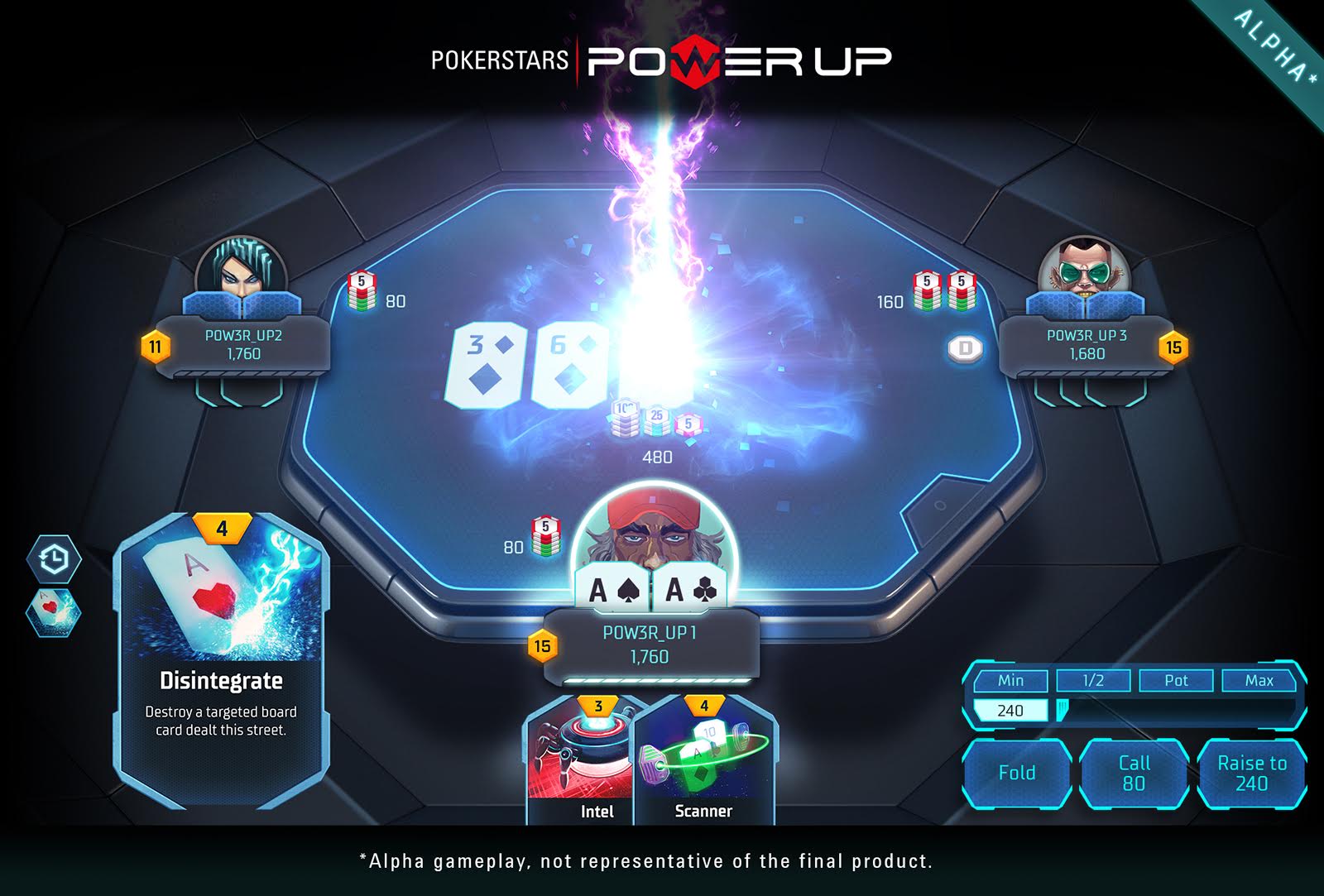
Introducing extra elements to the game will also make it harder to solve, for example antes and bomb pots. With something extra to fight for the ranges should change accordingly. Then you have things like shown folded cards in Unfold, or two flops in Split Hold’em from the experimental formats. Not all of these new aspects necessarily make the game harder to solve as much as not much time has gone into solving these yet.
A great example of introducing a new aspect to stop a game being easily solvable is the PKO tournament. MTTs are already harder to solve because of ICM but adding a progressive bounty on everyone’s head has made them potentially unsolvable. Sorry for the plug but when we wrote PKO Poker Strategy several times we would crash Holdem Resources Calculator because something as simple as working out opening ranges could get incredibly complex when ICM, bounties and different stack sizes were involved.
People often turn their nose up at new formats, whether they are cash or tournament variants, but I think this is the wrong attitude. A good player with solid fundamentals should look at any new format as an opportunity to enjoy a bigger skill edge over players who have studied an existing format in a paint-by-numbers manner.
One of the most reassuring aspects of this discussion is that it many of the factors that make a game harder to solve – wide ranges, more moving parts, family pots – are also what makes the game more fun for casual players.
How does 'solvability' affect your game selection? Let us know in the comments:
