


Why everyone argues about GTO
Players should stop trying to find perfect solutions with solvers and learn from them instead, so says Dara O'Kearney.

As you may have heard, my 4th poker book has just come out. This time we have tackled a very taxing and intimidating topic - GTO.
The time was right for a book that simplified the big lessons the solvers have taught us and the early response has been better than expected. I think a lot of players have previously been too scared to even attempt to learn GTO because it seems so overwhelming.
My co-author Barry Carter has warned me, however, to expect more pushback and bad reviews in this book than any of our others. We have been lucky to get very few bad reviews for our previous books, but GTO is a topic that really divides people.
I think this comes down to a fundamental flaw in how people consider the outputs from solvers. Some people crave or expect the solvers to give them the correct answer to how to play a hand. I am reminded of a quote from Bertrand Russell which sums up this up, he said “what men really want is not knowledge but certainty”.
Stop looking for the 'correct' answer
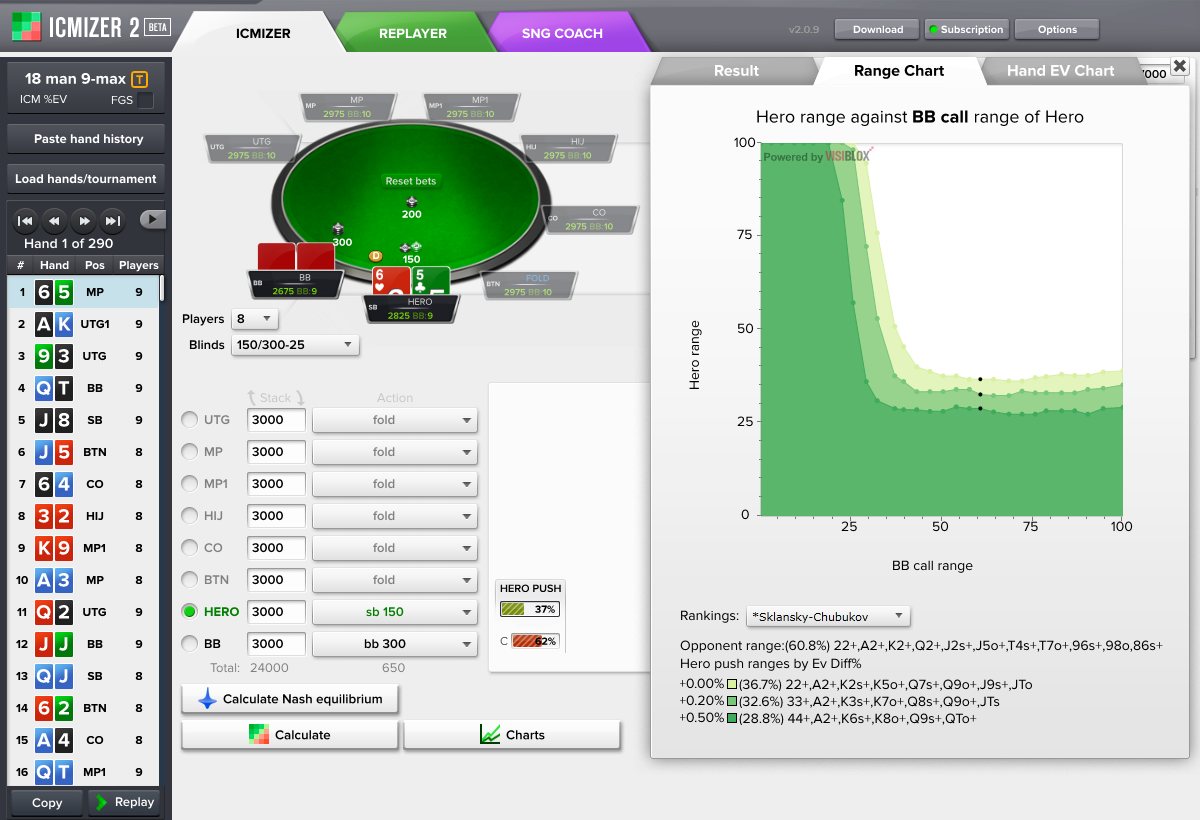
A lot of what people argue about where GTO is concerned is whether the ranges, or bet sizes, or raise sizes are 'correct'. Whether they are the exact way you should play your hand or not, in real life. You see players argue about whether one solver is better than another because of this.
I think that's the wrong way to think of things. For me, the real key to getting the most from solvers is to acknowledge their limitations but try to learn from what they did anyway. The bet sizes or ranges might be less than optimal, but there are still lessons to be learned from why a solver, for example, bets with A5o but checks with A6o, even if the inputs are flawed.
I appreciate this can be disheartening and not what you want to hear when diving into GTO, but all GTO solutions are not actual solutions of a specific hand or situations, they are an approximate solution of a toy game based on the parameters (sizings, ranges etc).
Good is better than exact
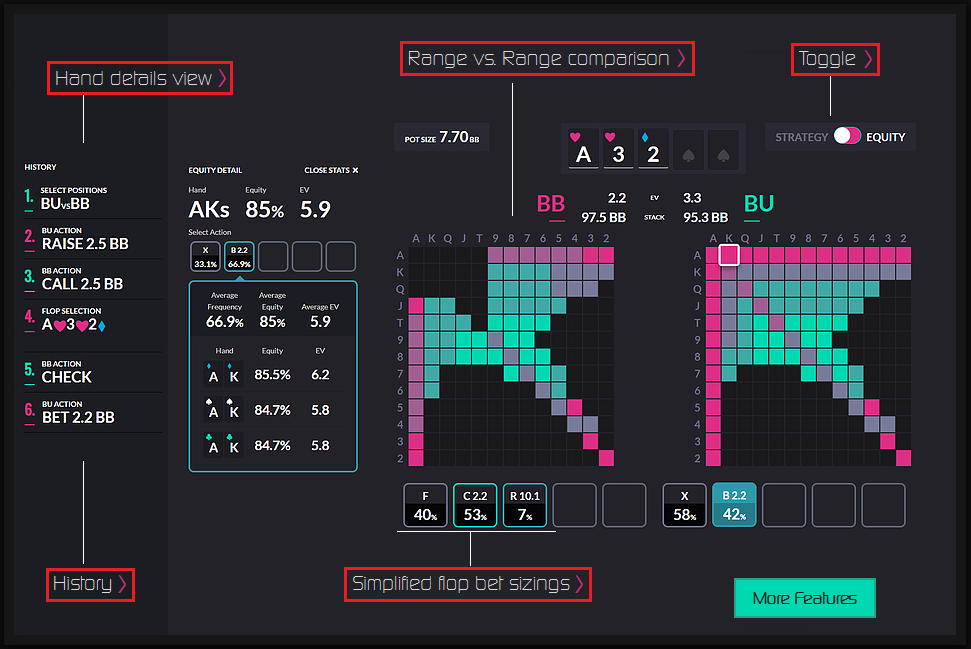
The point is when you are studying GTO you should be looking for general patterns and heuristics you can apply so that you have, as Fedor Holz said once on the Chip Race, a good answer rather than an exact answer for as many spots as possible.
It is actually impossible to solve a spot perfectly - you'd need more memory than there are electrons in the universe to consider every single size possible.
Looking at solver outputs in terms of which ranges and bet sizes are correct is a fool’s errand. Nobody will ever get that right. You have to acknowledge you are always looking at a toy game and instead try to learn why the solver takes actions that don’t make sense or seem out of place.
To quote somebody I saw on Reddit this week - Understanding GTO is far more important than employing GTO for most players.
Dara O'Kearney's latest book GTO Poker Simplified is out now.
