


The Death of Poker Sponsorship? Part 2
In the second part of his series on the possible decline of poker sponsorship, Barry Carter looks at the sponsorship models that could still have merit in 2012.
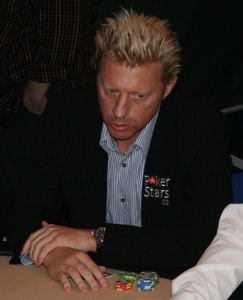 |
| Celebrity poker players bring star power to the table |
Earlier this week I painted quite a negative picture of player sponsorship in today's poker climate. I suggested that most player sponsorships were a waste of customer rake, which could be used for much better purposes than to freeroll an already successful player into some tournaments.
Today I would like to focus on some areas of sponsorship that still have value. I still think in some of cases, the money could be better used elsewhere; but these are by no means a waste, or at least, are much better than others.
One of the main reasons for my attack on the current state of player sponsorships was that most of the sponsored players do not actually have the star power to encourage new players to take up the game, or existing players to play more/switch rooms. The vast majority of well known poker players are still complete nobodies to the rest of the world.
The obvious exception here are the sponsored players who are already celebrities. The rich and famous folks from the world of sports and showbiz, who have achieved the holy grail of poker sponsorship without actually having to back it up with poker ability.
It may suck that a hard working grinder with some real success behind them struggles to find a sponsor, but Boris Becker can just show a slight interest in the game and land a PokerStars deal, but Boris will do so much more for PokerStars than most players ever could.
Ready made fan-bases
 |
| Liv Boeree is a sponsor's dream |
Stars like Boris Becker, and 888poker sponsored player Shane Warne, bring with them a ready made fan-base, they actually have a demographic of supporters who are ready to be converted into poker addicts.
Celebrities also make it onto TV, and into newspapers, on a regular basis. Should they make it onto said TV or newspapers wearing a poker logo, that is worth much more than a regular sponsored player taking down a WPT event.
I always pose this question when weighing up the relative worth of a sponsored player. If you were to open a poker room tomorrow, who would you prefer to endorse your room: Phil Laak or Lady Gaga? If your answer is the Unabomber, you hate money.
You do not have to be world famous to have some sponsorship leverage as a poker player, but you do need to have an additional appeal beyond your ability to play cards. A great example of this is Liv Boeree, who is first and foremost a player, a very good one at that, but has several qualities that can bridge the gap between poker and mainstream appeal.
She is an attractive girl, which not only wins her fans it also gets her mainstream publicity. She has an great back story as an astro-physics student, which makes her interesting to write about. Finally, she is also a talented guitarist and heavy metal fan, which has seen her become something of a celebrity in rock music circles.
Then of course there are the handful of players who can genuinley be considered celebrities just from the world of poker. Players like Phil Hellmuth and Daniel Negreanu, and those who are famous in their home countries like ElkY and Joe Hachem. These guys are seen as the faces of poker, and have enough star power to deserve sponsorship on that reason alone.
Loyalty based sponsorship
 |
| Randy Lew is part of the new breed of sponsored players |
Finally there is one area where the typical hard working grinder, with no claims to celebrity, can still expect sponsorship and add value at the same time, is the "in-house loyalty pro".
Many poker rooms have realised that there is much more merit to giving out their sponsorship deals to the guys who have helped fund the marketing budget in the first place. PokerStars, PartyPoker and PKR are all examples of rooms who have rewarded loyalty with sponsorship.
This model has a number of benefits. First of all, it cultivates a sense of loyalty and community at the room itself, the players can feel an affinity with the pro because he is one of us after all.
Secondly, it gives players of all levels something to aspire to, and gives them a reason to play (and rake) more. PokerStars, for example, did not just pick out the biggest profit winners for sponsorship, they also picked out low stakes players like chipstar1 and high raking grinders like nanonoko.
The third benefit is that the players will actively look to promote the poker room for free. I know lots of players who wear PokerStars or PKR patches at tournaments for free, simply because they really want to make it onto the sponsored team, and are working hard to prove they deserve it.
Finally, maybe the best reason to justify the deal in the first place is that they have already paid for part of it with their own activity at the tables. It is much easier to quantify the value of a newly sponsored pro when they have already raked most of what their deal is worth.
Ultimately the key to a valuable sponsorship deal in 2012 is to have a second appeal beyond your ability to play poker itself. Are you famous outside of poker? Are you an attractive woman? Do you appeal to a demographic that poker is trying to attract like women, video games, or regions where poker is less popular? Do you have a huge fan base on social media? Are you paying an immense amount of rake already?
There are still plenty of poker sponsorship models that add value to a poker room, there are still reasons why the community should be able to get behind a sponsored player without being bitter that their rake is paying for their free ride. But being sponsored simply because you are good at poker simply does not hold weight anymore in 2012.
by Barry Carter
