


Cyber bullying and poker
Do you agree with the recent case of a poker player suing his friends for accusing him of stealing on social media?

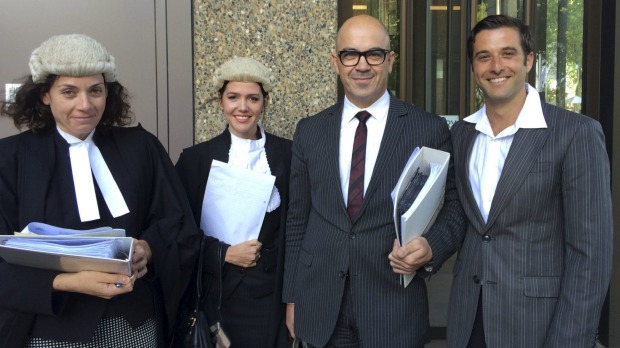
One of the most unusual stories of the year has to be that of Australian poker player Nicholas Polias successfully suing his former friends for $340,000 because they accused him of stealing on Facebook.
They cited two instances where they thought he stole money, however in both cases he did not, and they refused to remove their posts on the matter from the social media site. He sued them for defamation.
The huge amount of settlement money, for what started as a $2,000 theft accusation, seemed a little extreme. The judge ruled that amount was valid because the defendants refused to apologise, refused to remove the posts from Facebook and they gave false evidence.
My gut reaction, like a lot of people, was one of shock. When you hear the amount of money, and the fact they were former friends, it just seems like sour grapes. My immediate thoughts turned to the Winklevoss Twins in the Facebook story, and how they were vilified in the movie The Social Network.
However, after thinking about it for a while, I have come out very much on the side of Polias.
The permanence of cyber bullying
First of all, I have a real obsession with the psychology of trolling on the Internet. I really find it fascinating how people can use this wonderful medium to make other people’s lives a misery. When you hear of someone bad mouthing someone else on Facebook, you brush it off as harmless, but it actually can be much more harmful than face-to-face bullying.
One of the main reasons for that is the permanence of the Internet, not to mention it’s scope. If Polias’s friends had accused him of stealing in his local casino, only a handful of people would have heard it, a handful more via gossip, and it would all be forgotten about the next day.
When you post something online, it stays there for a long time (often forever), and thousands more people can see it. If Polias defended himself on Facebook, unfortunately that would add fuel to the fire and it would mean his followers would now see it, and the accusations get wider exposure. It would have been easy for anyone to cut and paste the accusations on another forum, and get them even more attention.
In particular this is very bad in poker circles, because many poker players live on their reputation. If Nicholas wanted to get staked, as many poker players do, any savvy investor would Google his name and see these damaging claims against him (As could any future employer).
Let's not protect the real scammers

It does present a very difficult scenario, however, because while I completely agree with the outcome, I hope it does not put people off from outing genuine cheaters and scammers in the game. I think poker is finally getting good at self-policing in this manner. Forums and social media have become a vital tool in the fight against wrong doers.
This case just highlights precisely why we should make sure we have our facts correct before we name and shame.
I think $340,000 is perhaps too much for this case, though I’m not sure what a suitable amount would be. It does serve as a great example to put people off nasty trolling online, as long as it doesn’t stop others from outing genuine poker scammers. Though the amount seems extreme, I agree with the verdict and applaud Nicholas Polias for taking a stand against online bullying.
Do you agree with the verdict? Let me know in the comments.
