


What the mainstream media gets wrong about poker pros
Does the mainstream media interview the wrong poker professionals to represent the game to a wider audience?
One of the most interesting things about working in poker has been seeing how an industry is perceived from the outside by the mainstream and knowing how it actually is on the inside. For example, most people outside of poker believe that online poker is rigged, or everyone who plays is a millionaire, or we are all experts in body language, or that the game is pure gambling.
I’m sure anyone who has a job has this same experience in their own line of work. I know police officers who laugh at cop movies, nurses who turn their noses up at how hospitals are depicted on TV, and so on.
However, one really interesting more recent nuance of this phenomenon has been witnessing the well known poker players who represent the game in mainstream media circles. We often see players like Daniel Negreanu, Phil Hellmuth, Liv Boeree, Andre Akkari, Vanessa Selbst and even Dan Bilzerian represent poker in the mainstream media.
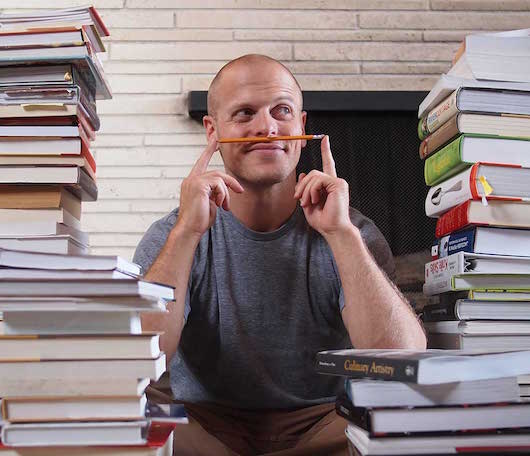
In the last month or so the poker community has been somewhat annoyed by two recent examples of this. One was self-help guru Tim Ferriss inviting Phil Hellmuth onto his podcast, which is a show all about dissecting what makes elite performers achieve excellence. Also last month Annie Duke was announced as a guest on the Freakonomics spin off podcast Tell Me Something I Don’t Know.
Check out Ferriss’s Twitter replies and this 2+2 thread on Annie Duke to see how annoyed the poker community was with these two choices of ambassadors to represent the game to the wider public.
A failure of due diligence?
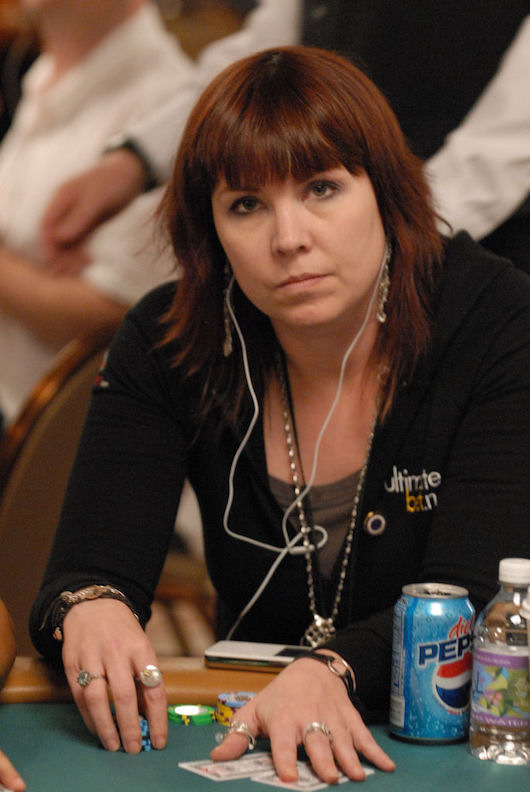
These appointments annoyed some players for two reasons. Both players are vilified in some poker circles for their association with companies that are deemed to have wronged the poker community. They both were major players at UltimateBet and Duke also represented the Epic Poker League.
In both these cases the poker community was also bothered, to a smaller extent, that neither player qualified as among the 'best of the best' in their opinion. Hellmuth is debatable of course, but it is true that Duke is far from being an elite player by today’s standards.
It is worrying that two entities that are rightfully highly regarded – Tim Ferriss and Freakonomics (I recommend the podcasts and books from both) – appear to have failed a basic google and Wikipedia test of due diligence. It takes very little to uncover that both players are not without their controversies.
It’s totally understandable, however, when people from outside of poker are unable to ascertain how good a player actually is. It takes those of us who have been in and out of poker for a while to know the merits of the all-time money list, HighStakesDB, the PocketFives rankings, the Global Poker Index and so forth. We can’t really expect somebody outside of the game to know the difference between turnover and profit in the poker context, for example. On the surface Phil Hellmuth does look like the greatest player of all time because most marketing around him suggests so and the World Series of Poker brand (of which he has the record for most bracelets) is the most recognised.
A healthy skepticism for 'experts'

Perhaps the main reason why Phil and Annie get picked for these things is because they are media friendly. There is already a back catalogue of public appearances proving they are interesting to watch. Even though somebody like Fedor Holz might be a better representation of excellence at the game, it doesn’t necessarily mean he will make for a compelling podcast.
I actually don’t mind the likes of Hellmuth being the ‘go to’ guy for this sort of thing. He is entertaining, he is clearly a talented player and he has survived the game for three decades. If you are to believe he really was in the dark about the inner workings of UB then he has been a good ambassador for the game (but he still needs to be more transparant about his role there at the time).
I’m more skeptical about Duke because there are more question marks on her character and her playing record doesn’t come close to overruling that. I will say this for her, most of the time in her mainstream media apperances she leaves viewers with a better image of the game than they will have had before seeing her. It's just a shame a quick google search of her name could leave one with a different impression.
The most interesting thing for me is that if shows as reputable as the Tim Ferris Podcast and Freakonomics, both of which I personally consider to be world class in the arena of self-help, have this questionable a judgement in picking their guests, is the rest of the mainstream media just as sloppy? If this teaches us anything it is probably that we should always have a healthy dose of skepticism when somebody is presented to us as an authority on any subject.
Check out the poker players who showed poker in a fantastic light in the mainstream media.
Who do you would make the ideal ambassador for poker in the mainstream media? Let us know in the comments:
