The Mental Game: How ACR Pros Handle Variance
We chat to Chris Moneymaker and Chris Moorman about how to deal with long stretches where nothing goes your way.
Variance is an unavoidable part of poker, and handling downswings, tilt and bankroll pressure can be just as important as making the right decisions at the table. Even the best players can go long stretches without the results they expect.
We asked two of ACR Poker’s most esteemed Pros, Chris Moneymaker and Chris Moorman, how they manage the mental side of the game, stay level-headed through difficult runs and recognise when it may be time to adjust.
Chris Moneymaker
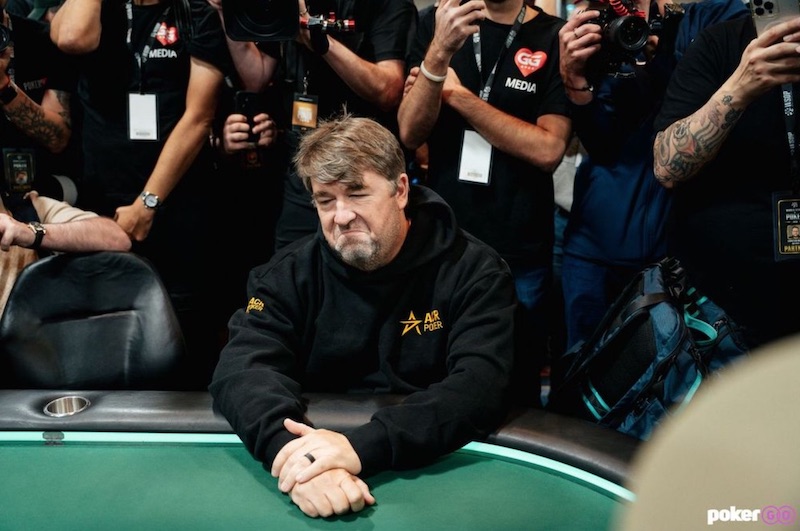
So how do I handle mental challenges that stem from poker and fighting downswings, tilt, and things of that nature? First, let's talk about expectations.
Once you set the expectations of what poker is and how poker works, that really helps you grasp the potential variance and the downswings, and not get too high on the upswings.
When you realise that 85% of the time, when you play a poker tournament, you're going to bust, that helps a lot. That's not a made-up number. You take the standard cashing percentage of any high-level pro. It's going to be about 15%. Once you realise that you're only going to cash 15% of the time, that frees your mind. Just understanding that one thing that you're going to fail 85% of the time should make your mind at ease when you do bust.
Obviously, as things progress and the downswings happen, things that I do to help get over it are:
- Take breaks.
- Step down in buy-ins. A lot of people step up. I go the other way. I step down.
- I find someone that I respect and have them review my game and see if there are things that I'm missing: Am I playing too many hands in the wrong positions? Am I calling three bets out of position? What am I doing wrong?
If my game is right, then I have nothing to worry about. It's just variance, but again, it comes back to knowing the numbers. Once you realise that, everything else just gets so much easier.

Chris Moorman
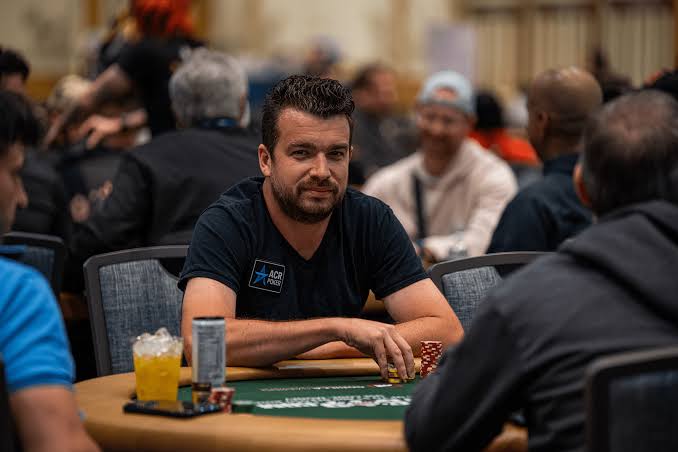
Here’s a recent example on this exact same subject.
This WSOP started off about as badly as possible for me. I had one min cash in my first 60 tournament bullets for $623! Considering by this time I had played the $25k 6-max and had to reenter the $10k WSOP event, the number in the red was beginning to look very large.
When something like this happens, it’s important to draw on all your previous experience to try and remain as positive and level-headed about it all as you can. The minute it starts to negatively affect your play, then that’s when you are in real trouble.
During this time, after consulting with my mind coach at least once a week, I decided to take some of the tougher tournaments out of my schedule where I wasn’t entirely sure how big my edge was. I still played the vast majority of what I intended to, but what this did was make me feel very positive that every bullet I was registering was still very much +EV.
I felt like this adjustment helped me to stay on top of my emotions this summer and play close to my best game towards the end of the series. I was fortunate that the cards started to turn in my favour and I picked up five cashes, including a WSOP final table for six figures. Ironically, most of these ended up being in some of the tougher events.