

Quick facts by PokerStrategy
- The turn is the fourth community card that is dealt.
- It is the second postflop street, following on from the flop.
- The turn is often the turning point that can change the direction or momentum of a hand.
- Poker strategy on the turn involves adapting to changing situations and bigger bet sizing.
What Is a Turn in Poker?
The turn is the fourth community card dealt in poker variations, such as Texas Hold’em and Omaha. After the turn is dealt, a round of betting takes place between players who are still in the pot.
The turn often represents the point in the hand when the direction and momentum can shift, the turning point, because players can catch up or fall behind depending on what the turn card brings.
Bet sizing is often larger on the turn, both relative to the size of the pot and to the overall stack sizes. That’s why it’s important to take care to make these potentially costly decisions right, especially when playing online poker, where hands move quickly and you need to think fast.
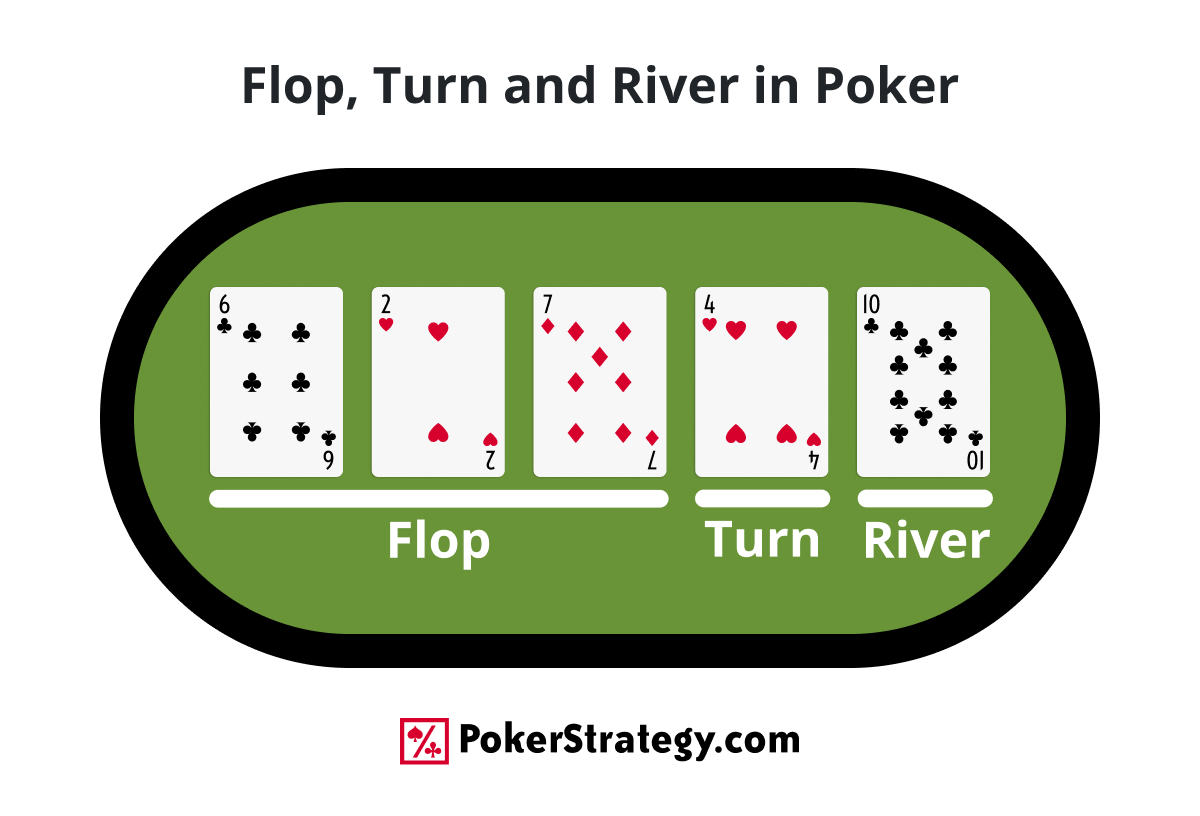
Where the Turn Fits in the Hand
In any game of poker that uses community cards, including Texas Hold’em, the action plays out in the following order:
- Players are dealt two hole cards; the first round of betting takes place.
- Three cards are dealt on the flop; the second round of betting takes place.
- A single card is dealt on the turn; the third round of betting takes place.
- A single card is dealt on the river; the final betting round takes place.
- If two or more players are left in the pot, the hand goes to showdown, and the player with the strongest five-card combination wins.
You can see here that the turn is the fourth community card dealt, following on from the three cards dealt on the flop.
Not all hands reach the turn. The turn will only be dealt if two or more players are left in the pot once the betting round on the flop is complete.
What Happens During the Turn?
The turn is shared between all players and can be used in conjunction with their hole cards to form the best poker hand.
Sometimes, the turn is a complete blank for both your range and your opponent’s range. In this case, hand strengths remain the same and do not change much when it comes to the flow of betting.
In many situations, the turn changes the dynamics of the hand and ultimately the outcome of the pot. You might improve your hand on the turn by completing a draw or hitting an overcard. Or, a scare card could fall that benefits your opponent or slows down the action.
These examples outline just a couple of situations that could happen on the turn.
Completing a draw:
- Player A: T♣ 9♣
- Player B: A♥ K♠
- Flop: A♥ J♣ 8♠
- Turn: 7♥
In this hand, Player B was ahead on the flop, but Player A completed his straight on the turn. Player B’s top pair hand is still too strong to easily fold, so Player A will usually find value for their straight.
Scare card:
- Player A: Q♣ Q♥
- Player B: ?
- Flop: J♣ 6♠ 7♣
- Turn: K♠
In this example, Player A had an overpair on the flop and was looking to find value from top pair and draw hands. The king on the turn brings an overcard, which may have given Player B a superior pair. Whatever the case, Player A is forced to slow down with their queens.
How to Play the Turn
If there has already been significant action preflop and on the flop, the pot will now be inflated. Any bets on the turn will likely represent a large percentage of your chips.
In effect, you’ll often (but not always) be committing to the hand when you call or bet the turn. So, think carefully about your decisions. They can win or lose you big pots.
Action on the turn sometimes plays out as a continuation of what happened on the flop. If you bet for value on the flop, you’ll be deciding whether to proceed with another bet. Likewise, if you bluffed the flop, you’ll be weighing up whether to fire another barrel.
The turn card, however, will often impact hand strengths, changing the dynamics of the pot. It’s crucial to stay tuned in to the board texture and how it relates to your opponent’s range.
Although the turn often represents a high-pressure decision, remember that there’s still the river to come. Unless you’re moving all in on the turn, you should always have a plan for what you’re going to do on the river.
These high-pressure spots are common whether you’re playing live or on one of the top-rated poker apps, so having a solid plan for each street is essential.
Turn Poker Strategy Tips
How exactly you play the turn depends entirely on the situation. Here, we’ll walk you through the main scenarios that you’re likely to encounter on the turn and offer strategy tips for dealing with them:
- Continuing With a Strong Hand: If you bet the flop with a strong hand, then you’ll need to decide whether to bet again on the turn. This will often depend on the turn card and whether it hits your opponent’s range. Bet sizing is usually bigger on the turn, so you’ll bet less of your range for value than you did on the flop.
- Improving on the Turn: If you improve your hand on the turn, such as when you complete a flush or straight, or when the turn gives you a higher pair than what was out on the flop, you’ll want to extract maximum value by betting and raising against opponents who are now behind.
- Check or Fold if Behind: Flop bets are often small and allow you to continue with lots of hands, including draws and medium pairs. When facing a turn bet, it will likely be for a lot more chips. The turn is not the time for calling with mediocre hands or chasing weak draws. Be prepared to check-fold if you are weak.
- Use Pot Control With Medium Hands: When you have a medium hand, your main priority on the turn is to make it to the river, which is one step closer to showdown, without risking too many chips. To do this, exercise pot control on the turn by checking or flat calling bets. This keeps the pot small and makes it more feasible that you’ll be able to call a river bet.
- Decide whether to bluff: If you bluffed or floated the flop, you’ll need to decide whether to continue running the bluff on the turn. As turn bets are costly and can commit you to the pot, you should be selective about when and whom you bluff. However, for the same reasons, turn bluffs can be very effective as opponents can’t call anywhere near as readily as they could on the flop.
Common Mistakes Players Make on the Turn
As betting or calling the turn in poker usually involves committing a large amount of chips, it’s easy to make costly mistakes.
Here are the most common mistakes players make on the turn:
- Ignoring Board Texture: Inexperienced players often become attached to a hand preflop or on the flop and are unable to get away from it on the turn. Remember, calling the turn will cost a huge amount of chips. Worse still, you could face yet another big bet on the river. Don’t make the mistake of ignoring the turn card altogether.
- Overplaying Weak Hands: It’s often fine to bet or call with fairly mediocre hands on the flop, as ranges tend to be super wide. On the turn, bets and calls are more costly, and the decision of whether to continue with a hand needs to be taken seriously. It’s not wise to fire out big bets with weak hands, and this is a common mistake on the turn.
- Calling too Light With Draws: Similar to the above point, you’ll rarely get the right pot odds to call with anything but the strongest draws on the turn. Bets will usually be too big and cost too much of your stack. Calling with the wrong odds to try to hit your draw on the river is a big mistake.
- Missing Value: Although it’s important not to overplay weak hands or medium hands that would benefit from pot control, balance is key. You don’t want to miss value by shutting down on the turn when you are ahead. The turn gives you a chance to really build the pot and set up a shove on the river.
- Missing or Misfiring Bluffs: Bluffing the turn is a fine art. Get it wrong and you’ll lose a lot of chips. Get it right and you’ll take down significant pots without having to go to showdown. Depending on temperament, players may either miss bluff spots or bluff too often. Both are big mistakes.
Frequently Asked Questions
Why is it called turn and river in poker?
The term “turn” is so-called because it is often the turning point in the pot where direction and momentum can shift. It’s unclear where the term “river” came from, but it could stem from when poker was played on riverboats in Mississippi during the 19th century.
What is a burn and turn in poker?
A burn and turn in poker refers to the way the dealer burns one card to prevent cheating and ensure game fairness before turning the next community card face-up.
How many cards are on the board after the turn?
Once the turn has been dealt, there will be four cards in total on the board – three from the flop and one from the turn.
Is the turn always a single card?
Yes, the turn is always a single card in poker. Three cards are dealt on the flop, while only one card is dealt on the turn and river.