


How does a PKO change my preflop decision compared to regular MTTs?
ICM expert Dara O'Kearney reviews a hand from a PKO played by Barry Carter to explain how the strategy changes when bounties are in play.
In this new series PokerStrategy Editor Barry Carter gets a relatively 'standard' hand reviewed by a professional player to see if it was a trivial decision or not.
In today's hand I get my co-author friend, Unibet Ambassador and Chip Race Podcast host Dara O'Kearney to look at my preflop line in a $22 PKO tournament. I wanted to ascertain how differently my play should have been compared to a regular MTT.
It's early in the tournament and everyone starts with a $5 bounty, however Player 1 has a $10 bounty.
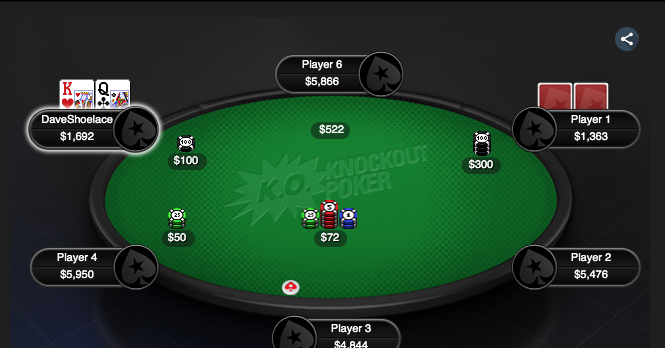
If this was a regular MTT I would probably let KQo go because Villain has not played any hands since I have been at the table and KQo seems second best against a tight range.
Dara O'Kearney: That seems a little bit nitty even though he is going to be super tight. I’m never shoving this hand in a regular MTT but calling may be an option considering the price we are getting and our hand will define itself on the flop. When you say he is tight, what is the worst hand he is opening?
I'm thinking KJ+, any Ace, any pair.
Dara O'Kearney: That’s roughly a 25% range. We have about 42% equity against that sort of range. Our hand is going to under-realise in the sense that if he has KJ or A2 and we miss the board, he will bet and we are either check-folding the best hand (vs KJ) or with 25% equity (vs A2). Given the price we are getting, we only need to win 30% of the time and because we have about 42% equity we can definitely realise about 30% of the time.
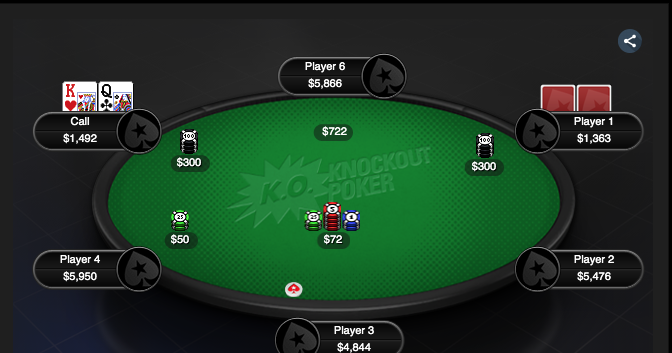
I actually ended up flatting, however, because it's a PKO and he had a big bounty which I could win, so I was fine widening my range.
Dara O'Kearney: In a PKO I am much more likely to shove this hand because the times I win the pot I want to win the bounty. Him folding is a disaster. HoldemResources Calculator actually advocates calling in this situation for balance, but it is the top end of the calling range along with AJo. In a vacuum a shove with this particular hand is more profitable in HRC because when you do win, you are guaranteed the bounty.
If this was a regular MTT, in HRC this is a clear call, but not for balance. In a PKO it’s more profitable to shove because we are definitely winning the bounty when called when we win the pot.
But in a regular MTT when we get called, we are usually crushed, so flatting keeps our opponent wider?
Dara O'Kearney: Yes. In a regular MTT it’s still profitable to shove because of the amount of time he folds, but when we do get called we are toast. His calling range is likely 88+, AQ+ and AJs+. We are flipping against hands in that range or are dominated. It’s still profitable because he only calls a third of the time but we are still better off calling, because we have a hand which defines itself on the flop. If there is no King or Queen or draw we are off. We are not worried about domination at this stack depth.
It’s an interesting example where calling KQo if good in a regular MTT but shoving it is best in a PKO. It's a perfect example of an inflection point where the strategy flips around between regular MTTs and PKOs.
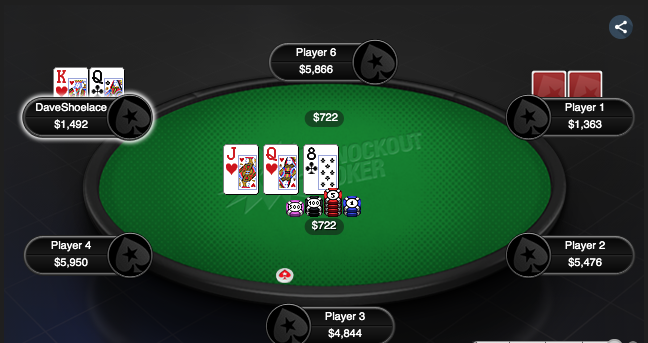
So I did defend, and flopped the thing I was hoping for. I went for a check-shove figuring that if he had any piece of it he will call regardless and if he missed we might at least pick up a c-bet we would not have otherwise got.
Dara O'Kearney: The only strategic consideration after the flop is how do you get it all in? I think I prefer the check-call line, he can keep betting worse hands. If he has AJ and you call he might decide there are a lot of draws and would pile it in on the turn (he is probably not folding AJ to a check-shove anyway). If he had a hand like 77 he might get away from a check-shove. I think there are a wider range of hands that will continue on the turn. Sometimes you have to check-shove because there is a scary card on the turn that will scare him away but given how shallow he is, he is not going to get away on a scary turn in practice.
That said, I would be checking my HUD to see if he has a high c-bet but then shuts down on a lot of turns, in that case check-shoving and making your hand look like a draw might be better.
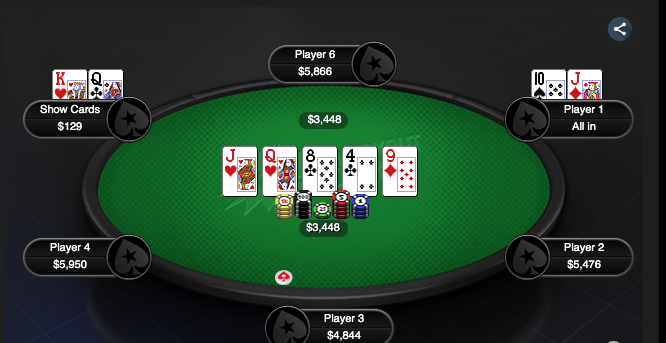
So he tanked and eventually called with JTo, which got there on the river.
Dara O'Kearney: That shouldn’t even be in his range preflop, but once he gets shoved on on the flop because he has the gutshot to go with his pair. Preflop was the key decision point, as they often are in PKOs.
Correct adjustment, bad baseline strategy
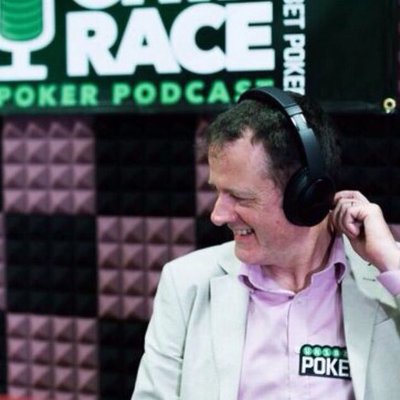
Big thanks to Dara for his analysis there. I knew that the fact that this was a PKO and I covered a big bounty should change my strategy considerably towards the looser end of things, but it appears my baseline MTT strategy was too tight to begin with so my adjustments were off.
If you want more analysis like this, Dara along with David Lappin have just launched Season 10 of the Chip Race, which includes a regular strategy section, as well as interviews with the biggest names in poker. The first episode on the new series features Lee Davy, Barny Boatman, Jason Mercier and Jamie Kerstetter.
Thoughts on the hand? Let us know in the comments:
