


Set mining is a bad idea against wide ranges
Dara O'Kearney explains why your strategy with small pairs changes depending on the position of your opponent.

The Button raises, you have 40 big blinds effective and you look down at 5♣5♦. It is really tempting to defend here to set mine, but in reality shoving is the better option.
It might seem reckless to shove here, you have a very playable stack and tournament poker is all about survival, but shoving is actually the low variance option. The Button should be opening about half their hands here, meaning that only around 8% of the time they will have a bigger pair that would call you (66 usually folds here, 77+ probably calls). The rest of the time the Button will fold or you are slightly better than flipping against them.
Shoving works a lot of the time but flatting doesn't. You run into so many overcard boards that you have to give up a lot of the time. You are usually ahead preflop because of the raw equity of your hand, so shoving is better.
Defending the open to set mine works much better against an early position raise than it does a Button open. An early position raise should be a tight range, whereas a Button open should be a wide range. A tight range will pay you off when you hit your set, but it's tough getting 40 big blinds in against a wide range.
Set mining vs tight or wide ranges
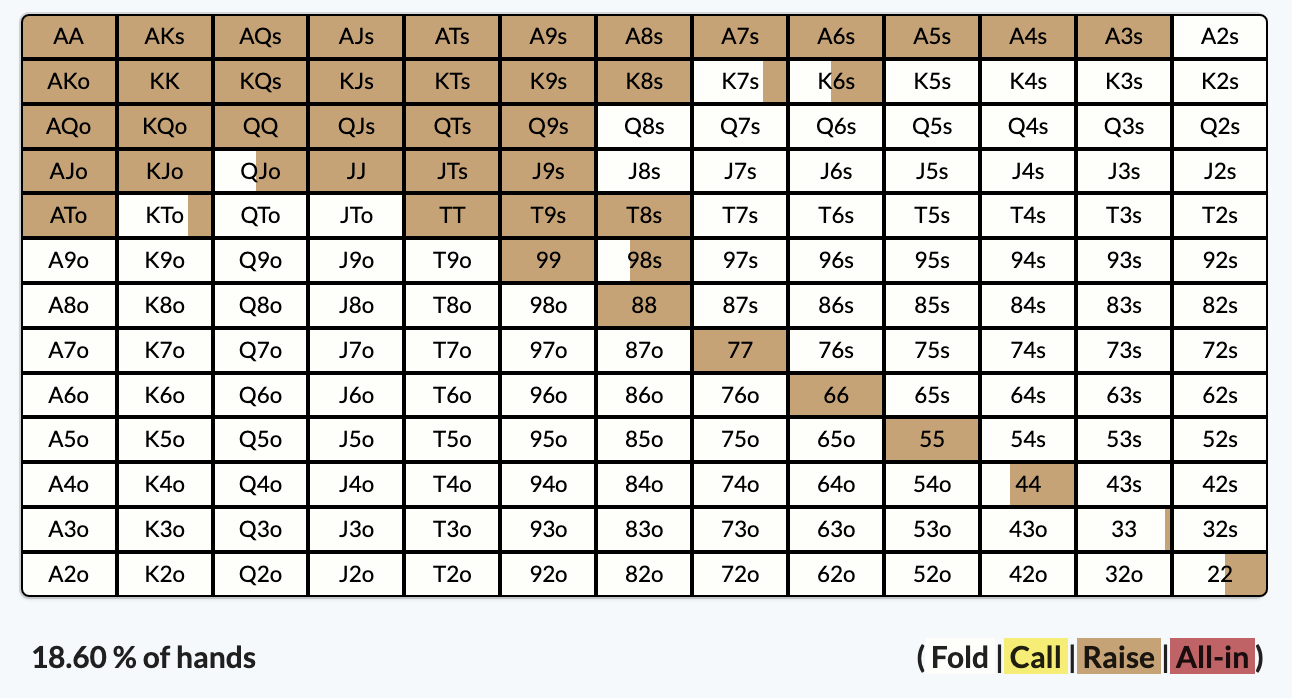
To illustrate this, this is a GTO opening range for early position at 40 big blinds effective:
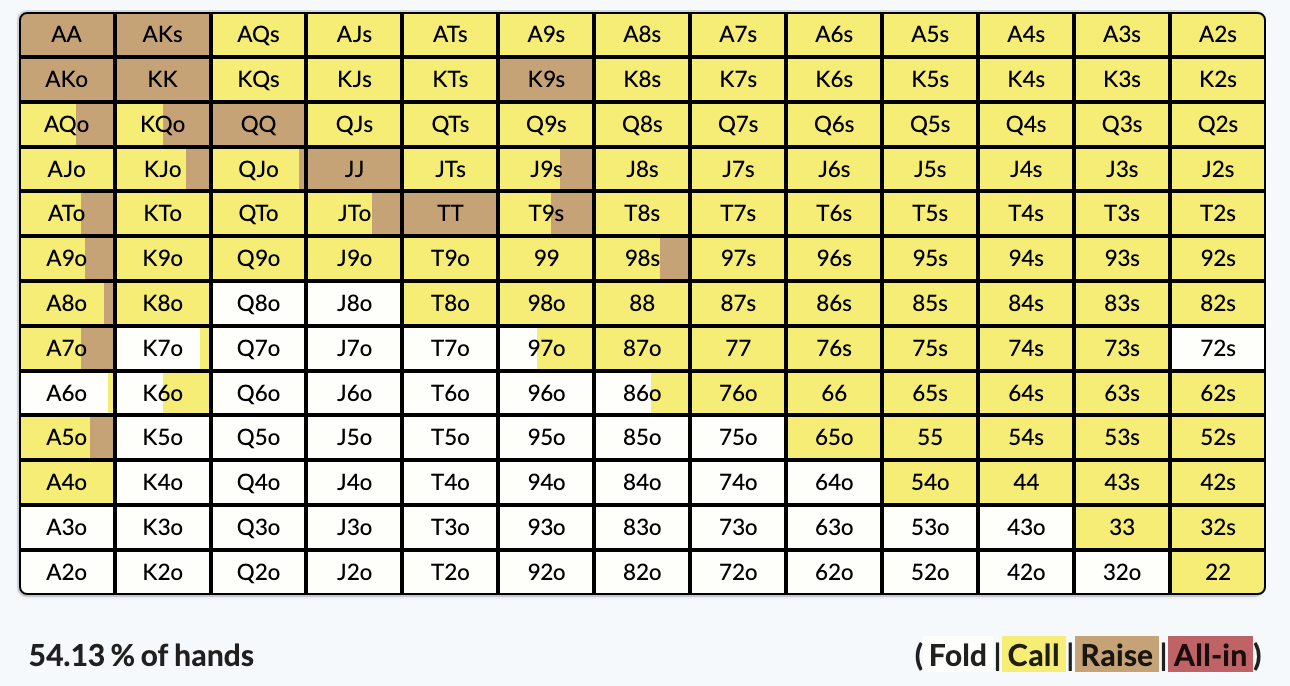
And this is what the Big Blind's range should do:
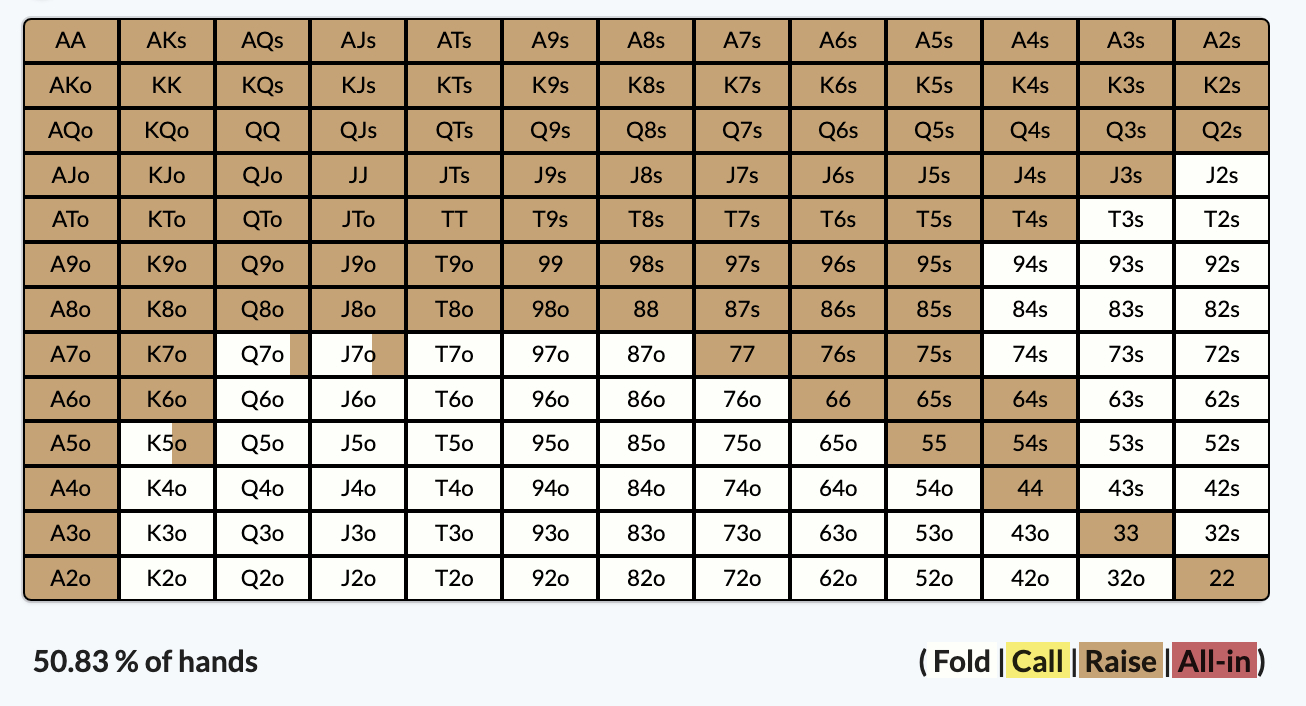
This is the GTO opening range for the Button at the same stack depth:
And this is what the Big Blind does this time:
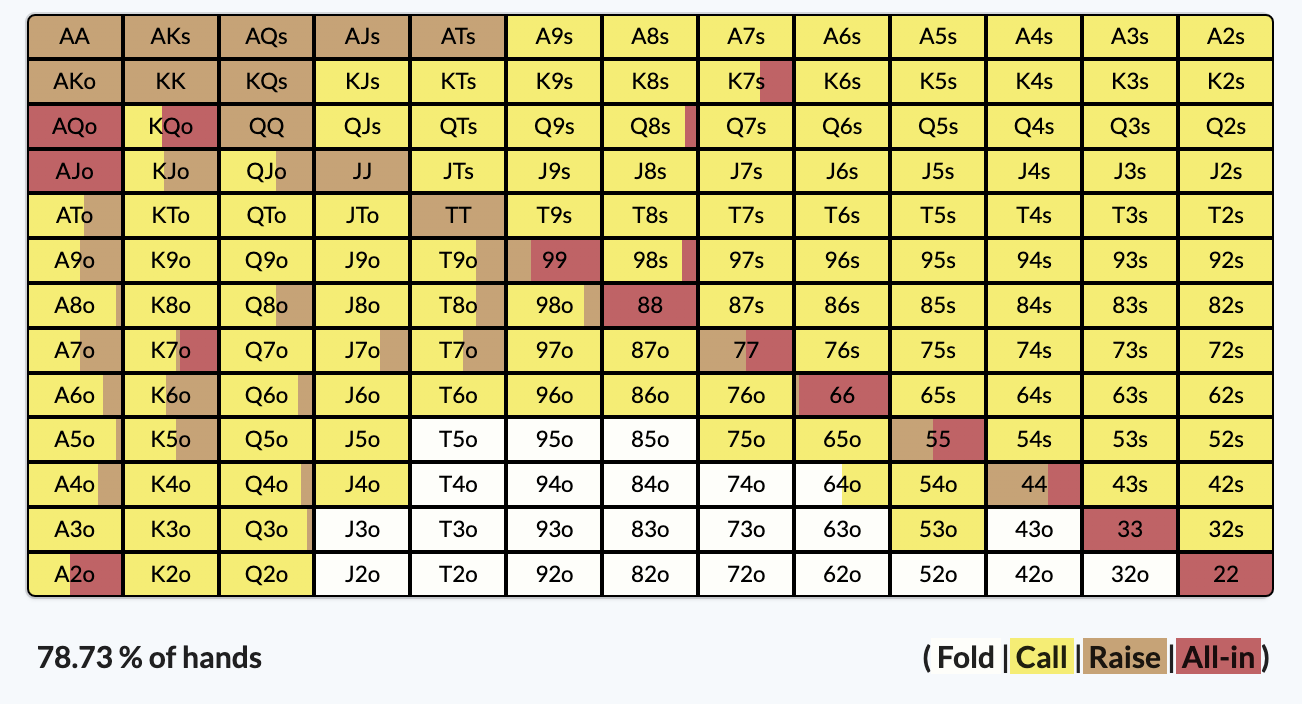
The early position raise is very strong, it has a high proportion of overpair type hands and when it makes top pair it will usually stack off with it. Our response with small pairs is always to flat, because we can get the money in a lot of the time when we hit. The Button range by comparison is so wide that it will miss a lot of the time on the flop and will probably try and pot control a lot of flops when it hits.
Against tight ranges the implied odds for small pairs goes way up, against wide ranges you will make more money by taking the pot down while you are likely ahead.
Dara O'Kearney's new book Beyond GTO is out now.
