


Does televised poker need a villain?
We love to hate them, but is bad behaviour at the table marketable?
Last weekend Poker Night in America streamed a cash game with one of the worst natured outbursts I’ve seen in recent years. Salomon Ponte bust his roll, tried to pawn his watch to get back in the game, then insulted Shaun Deeb, insulted his wife, suggested they both go outside and then heckled him from the rail.
We were not exactly watching elite poker here, what we were watching was soap opera. Yet it will go down as one of the more memorable TV tables in recent memory and everyone is talking about it. Some are saying the game needs villains like him, others are arguing that poker’s reputation is harmed by such unsportsmanlike behaviour.
I didn’t like the way Ponte carried on and have to applaud Deeb for keeping his cool when his wife was being insulted. There is an often shady image in some aspects of poker and Ponte perpetuated it that night.
A game of people, played with cards
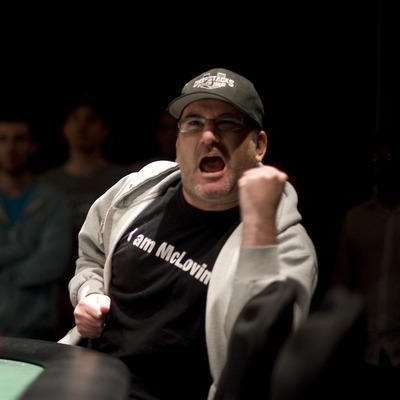
But I would be a hypocrite if I said that there is not a smidgen of truth to the claim that villains sometimes broaden the appeal of poker. While I find Ponte’s antics deplorable, one of the things that really captured my imagination early in poker was the bad boys like Tony G, Phil Hellmuth, the Devilfish and Mike the Mouth. I even secretly enjoyed William Kassouf tilting his opponents last year at the WSOP.
Poker is a game of people, played with cards. Variance and money exacerbate some very hardwired emotions when we play this game, so when you see Ponte going on tilt and insulting everyone, it is hard to stop watching. We want to see the bad guy bust out, and by extension we want to play poker to bust players like Ponte.
I’m not sure to what degree, but purely from his televised antics, I think Phil Hellmuth has grown the game by creating a larger-than-life character you would love to felt. Just like we want Joffrey to get his comeuppance in Game of Thrones, we sometimes ‘hate watch’ poker to see Hellmuth bust. The difference is that in poker, anyone can start playing and do it themselves.
Where is the line?
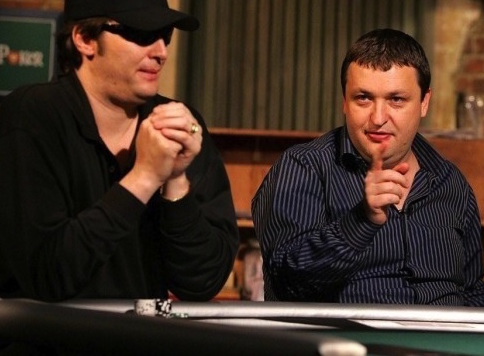
I don’t think whether villains make poker more enticing is in question, they do, the question is when do they start hurting the game? Where is the line?
I guess a shorthand way of determining if they hurt the game or not is whether a new player would love to be at the table with the person talking smack? I suspect most of us would love to have been at the table for a Phil Hellmuth blow up, even if he was berating everyone. However, insults about spouses and the potential for violence is where the banter stops and poker appears intimidating to new players.
Ultimately I think poker is better when everyone at your table has a smile on their face. Live poker can be intimidating for new players so we should be encouraging open arms (and mild banter) rather than heckles from the rail. The occasional villain is a guilty pleasure, but we should leave insults about our significant others out of it.
Do the villains make poker more exciting or hurt the game? Share your thoughts in the comments:
