


GTO Poker Theories - The Hesitation Heuristic
If it's not a hard yes it should be a hard no. In poker, if it's not a snap call, should it in fact be a snap fold?

One of the real gifts poker has given me is that it has been a great jumping-off point to learn things from other disciplines like economics, AI, psychology, and Game Theory. So here is a series of articles where I bring some of the most interesting things I have learned from other subjects outside of poker which are applicable to this game we know and love.
The "Hesitation Heuristic" championed by Naval Ravikant (whom we featured last week too) provides a practical rule of thumb for decision-making in a world filled with abundant choices. The heuristic simplifies decision-making, especially when faced with long-term or significant decisions, by suggesting that if one is hesitant or unable to decide, the answer should be no.
The heuristic is deemed particularly useful for "long-lived decisions," those decisions that require a high degree of certainty as they have long-term implications. Examples include starting a business, entering a relationship, or moving to a new city, which are all decisions that might lock you in for a substantial period.
Quite simply, if you are hesitating on the decision, you are clearly not in love with the idea, so reject it.
If it's not a snap call, maybe it's a fold?
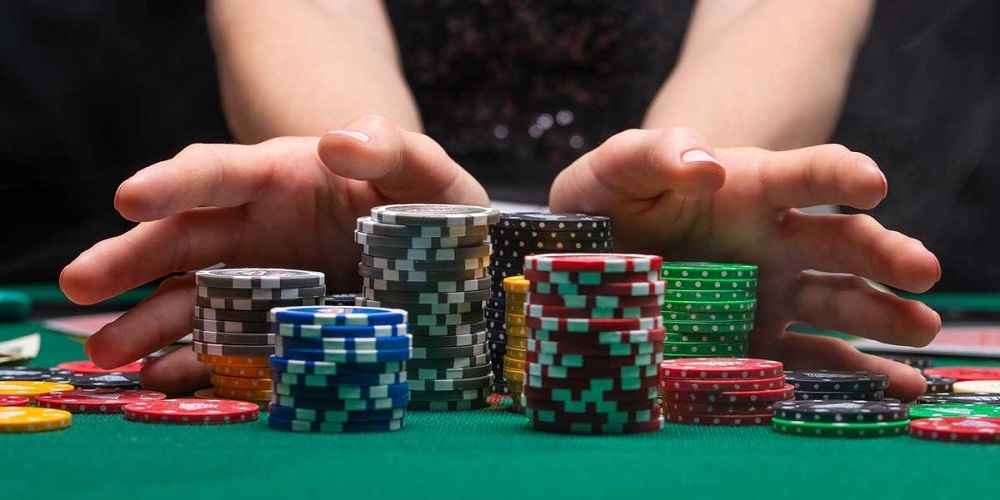
I think the heuristic can easily be applied to one situation in poker, which is when you are facing a call for your tournament life - especially after late registration and/or when ICM pressure is extreme.
If you think you are ahead, you should, of course, call. If you think you are crushed, it's an easy fold. But when you are on the fence, when you are genuinely 50/50 about calling or folding, that's when to use this heuristic.
The Hesitation Heuristic is a good tie-breaker for these close spots. Quite simply because when it is close, folding is the lesser mistake when it is for your tournament life. You still have a chance to chip up if you make a bad fold, but you have no option to do that if you make a bad call (unless you suck out).
This advice might be terrible in a cash game, but in a tournament where survival is a skill, it's the lesser of two evils. If you are hesitating...fold,
What theories from outside of poker have helped your game? Let us know in the comments.
Related articles
