


GTO Poker Theories - Vicarious Mastery
Seeing others succeed is often the push we need to realise our dreams too, in life and in poker.
One of the real gifts poker has given me is that it has been a great jumping-off point to learn things from other disciplines like economics, AI, psychology, and Game Theory. So here is a series of articles where I bring some of the most interesting things I have learned from other subjects outside of poker which are applicable to this game we know and love.
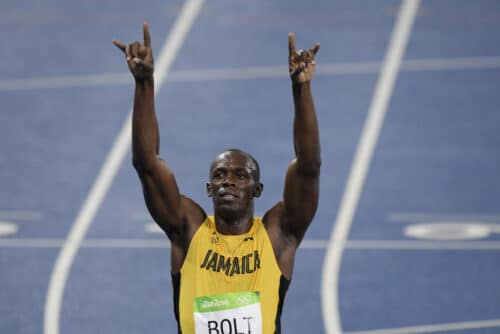
Vicarious mastery comes from Albert Bandura’s social learning theory, which explains how people learn by observing others. Bandura suggested that watching someone succeed at a task can increase our own belief that we are capable of doing it. This boost in confidence is known as self efficacy, and vicarious mastery is one of the main ways it develops.
In education, vicarious mastery is often seen when students watch their peers solve problems or complete assignments. If the student sees someone of a similar level succeed, it makes the task feel more achievable. Teachers and trainers sometimes use role models or demonstrations for this reason, as they provide clear examples of what is possible.
The idea also applies in sport, work and personal growth. Athletes may gain confidence by studying other competitors, while employees can feel encouraged after seeing colleagues succeed in new roles. Vicarious mastery shows that learning and motivation do not come only from personal effort but also from the achievements we witness in others.
Learning poker from others
Vicarious Mastery really explains the way a lot of people learned the game, before solvers at least.
The under-the-table hole card camera is the first example. We saw how the professionals played, and it didn't look so impossible anymore.
Then in the early days of the modern era, we had the play-and-explain videos, from training sites like Cardrunners, which really gave us a peek behind the curtain. Poker was not intimidating with a bit of hard work.
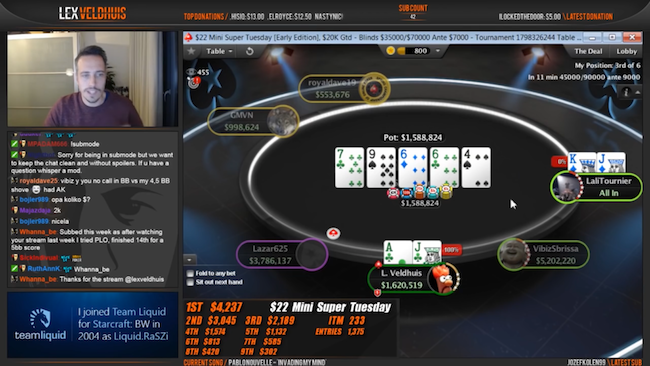
Still to this day, Twitch streaming does this for us. I am friends with Jaime Staples, and it is remarkable how many people come up to him at poker events to tell him they learned the game because of him. Streamers like Jaime were both mentors and product testers for people dipping their toes into the online game.
It is still a viable way to learn the game, especially because it clearly empowers others to take the leap.
What theories from outside of poker have helped your game? Let us know in the comments.
