


How poker has changed in the last decade - part 1
Now we are in the 2020s we take a look back at how the way poker is played has changed in the last ten years.
A new year always makes you reflect and a new decade will really surprise you with how much things have changed. Online everyone has been doing these #10YearChallenge pictures to start the 2020s and it is interesting to look back on the last decade from a poker perspective.
2019 was a great year for many things, including fitness goals 💪
Ran half marathon in 1h45m (PB) and went from ~30% body fat to 11.5% 😊
Looking forward to 2020 ! pic.twitter.com/9EIz8mbq7O
— ElkY (@elkypoker) December 31, 2019
If we were to ask what the biggest story of the poker decade was it isn’t even close, Black Friday remains the biggest thing to ever happen to poker since the boom itself and we are still feeling the after effects. It changed the poker economy, made villains and heroes, changed who could play online poker and where, flipped sponsorship on its head, altered the online ecosystem and for the most part was the end of a massive influx of cash into the industry.
In many ways this could easily be a ‘how has poker changed since Black Friday’ article as much as one about how different it is from ten years ago, given that Black Friday happened in 2011. With that said, here are a few personal musings for how I think poker has changed the most since the end of 2009, which might be of particular interest if you didn't experience them first time around.
The end of the grinder model
It used to be the case that a player could grind 16 tables of low stakes, break even at the tables and make a healthy living from the rakeback alone. Some operators offered as much as 60% rakeback and PokerStars even had a highly coveted tier, SuperNova Elite, worth over $120,000 for anyone who could grind $200,000 of rake in a year. Back then big winners were marketed towards by poker rooms, so much so that the advertising often had a message of 'play with us, we have lots of fish'.
This was only viable when you had a steady stream of new depositing players, which isn’t the case today. Operators fear new depositing players are losing too quickly to professional players, so rewards are now built around recreational players. You would never see that 'beat the fish' type marketing today. To really signify this change, most poker rooms are reducing the number of tables you can play at once, in some cases as few as four. Volume was King ten years ago online, it no longer is.
Lottery SNGs
When games like Espresso and Spin & Go first hit the scene they were derided by grinders as being gambling formats with no skill edge. That was quickly disproven and now every single operators has a version of the Lottery SNG, in a lot of cases they are building their mobile clients around them. 
They are easy for new players to learn, have an attractive marketable jackpot attached to them and are ideal for people wanting a quick game.
The popularity of them has been immense but perhaps the biggest victim in their ascent has been regular Single Table Tournaments. SNGs used to be a very popular format, especially for grinders, but Lottery SNGs has made them perhaps more of a niche game these days.
Mobile
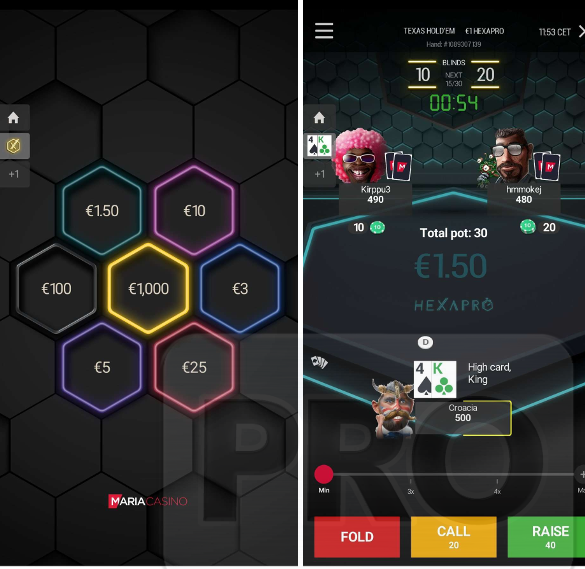
Lottery SNGs are especially optimised for mobile because they are quick and short handed. So now is a good time to point out how significant smartphones have been for poker in the last decade. All poker was played on a desktop prior to 2010 and now most poker is played on a mobile device. That may surprise you reading this because our audience is weighted towards serious players, but most of your opponents are on their phone.
The formats online reflect this too. In general formats are faster these days, and in particular Fast Fold cash games and Lottery SNGs have become popular because they are optimised for mobile. This trend will continue in the next decade and don't be surprised if that includes mobile-only clients in the future.
Segregated markets
For those of you still new to poker there was a time when the entire world played online together and the majority of traffic (around 60%) for almost every poker room came from American players. That changed completely after Black Friday when the US market was effectively shut off from the global player pool and a number of markets in Europe like Italy, Spain, France and Portugal broke off to form their own ecosystems. This was entirely for regulatory reasons, of course, as most operators would want to open their tables up to everyone.
It is a shame because there was something very cool about knowing you were competing against everyone in a big tournament and it also meant that traffic was usually good for any time of game at any time of day. There have been some steps forward to bring together the segregated markets (Italy, Spain, France and Portugal for example are starting to share liquidity) but we are a very long way off playing against everyone in the world online again.
Join us next week for the next part in this series. Until then, how has poker changed for you in the last decade? Let us know in the comments:
