


How poker has changed in the last decade - part 2
We continue our look back at how different poker was ten years ago as we look towards a new decade at the live and online felt.
Twitch
The biggest zeitgeist shift in poker over the last ten years has been that it is viewed more like a video game these days, whereas before 2010 it was very much part of the casino family. Poker was a side game offered to people between sports bets or slots, but now it is more the domain of gamers and esports.
Nothing reflects this change of public image more than the growth of poker on streaming platform Twitch. It has become the biggest educational and entertainment platform for poker and is perhaps the way most new players discover the game (whereas it was probably TV before then). As many countries struggle to convince their governments that poker is a skill game at all, it is probably much better long term for poker to be associated with esports.
Railing cash games
One thing which has sadly gone the way of the Dodo is that watching nosebleed online cash games was a popular pastime for poker fans. The games were huge back then and we would often see the likes of Phil Ivey, Patrik Antonius, Tom Dwan and Viktor Blom compete in six and seven-figure pots at the infamous 'Rail Heaven'.
A lot of changes in the poker ecosystem put a slow halt to this. The biggest games were on Full Tilt which came to an end after Black Friday. Then operators in general have reduced their stakes, moved towards anonymous tables, blind lobbies and Fast Fold formats, all of which has made peaking in on those huge games a distant memory.
The Super High Roller scene
While online poker has had its ups and downs, the live poker economy has gone from strength-to-strength. The biggest way this is exemplified is how popular Super High Roller events, with $50,000+ buy-ins, have become. It was incredibly rare to see such gargantuan events ten years ago but now there seems to be one every week, usually streamed live. Last year we even had a £1 million buy-in event, the biggest in poker history. 

Of course these events are only possible because of staking and rich business people being willing enough to play in them, but they have become the norm. They also have made things like the All Time Money list meaningless when (rightly or wrongly) it really meant something ten years ago. 

Live streams
One of the many reasons why live poker has been a growth area over the last ten years has been because of the quality of the live streams. Ten years ago they were very rare and the majority of live poker programming was studio based or edited highlights from major tournaments. Now even the WSOP Main Event itself is streamed live from start to finish.
Live streams are incredibly high quality these days and on a par with other forms of sports broadcasting. More than anything they have proven that there is a market for very long unedited poker content, even if that means a lot of quiet periods with little happening. Ten years ago most poker broadcasting was just edited highlight reels of bust outs and bad beats.
GTO
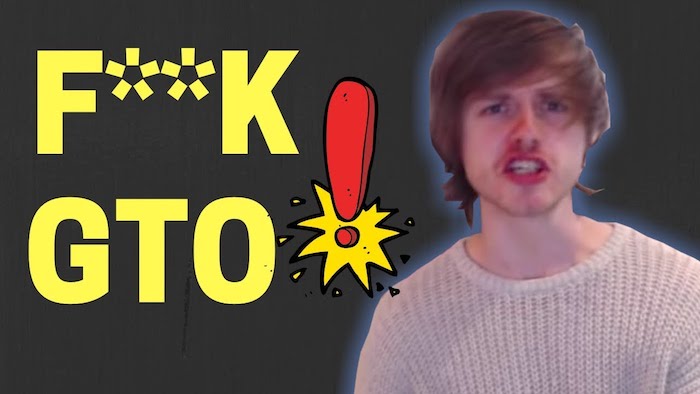
The biggest shift in the way poker is played is without doubt the rise of solver technology and Game Theory Optimal (GTO) play. Where once poker was a game of incomplete information and a lot of unknowns, GTO Has been removing a lot of uncertainty. It doesn’t mean poker is ‘solved’ by any stretch but the quality of play from the best players has reached new heights.
Maybe the most interesting thing about this new paradigm is how antagonistically it has been met by some corners of the poker community. Some people consider it cheating and others think it has at least made TV poker boring. The reality it is just the game evolving as it always has. The really interesting question now as we go in to the 2020s is just how far will poker strategy evolve in the next 10 years?
If you missed part 1 you can read it here.
How will poker change in the next ten years? Let us know in the comments:
