


GTO Poker Theories - The Lucid Fallacy
Understanding a casino game does not mean you understand how risk works in the real world.

One of the real gifts poker has given me is that it has been a great jumping-off point to learn things from other disciplines like economics, AI, psychology, and Game Theory. So here is a series of articles where I bring some of the most interesting things I have learned from other subjects outside of poker which are applicable to this game we know and love.
The lucid fallacy is Nassim Nicholas Taleb’s idea that people often believe randomness is easy to understand because it can be modelled in neat games of chance, such as dice, cards, or roulette.
In these cases, the probabilities are clear, the rules are fixed, and the risks can be measured. This creates the impression that uncertainty itself is something we can fully grasp.
Taleb argues that this is misleading. The real world does not behave like a casino, where all the possible outcomes are known in advance. In markets, history, or life, the range of potential events is open-ended and the probabilities are not fixed. Believing that risk in the real world is as straightforward as gambling leads to dangerous overconfidence.
The key lesson of the lucid fallacy is that simple chance models may teach us about randomness in theory, but they can blind us to the deeper uncertainty of complex systems. The world is shaped by rare, unpredictable events that no dice throw can capture. To think clearly, we must resist the comfort of tidy examples and accept that reality is far less predictable.
Reality is much less predictable
I should start this section by prefacing that some of the smartest people I have ever met are poker players.
With that out of the way, the lucid fallacy is rampant amongst poker players. There is a large cohort of professional poker players who believe they have all the answers to the great uncertainties in life, such as taxation, politics, medicine, health, the culture wars and everything else.
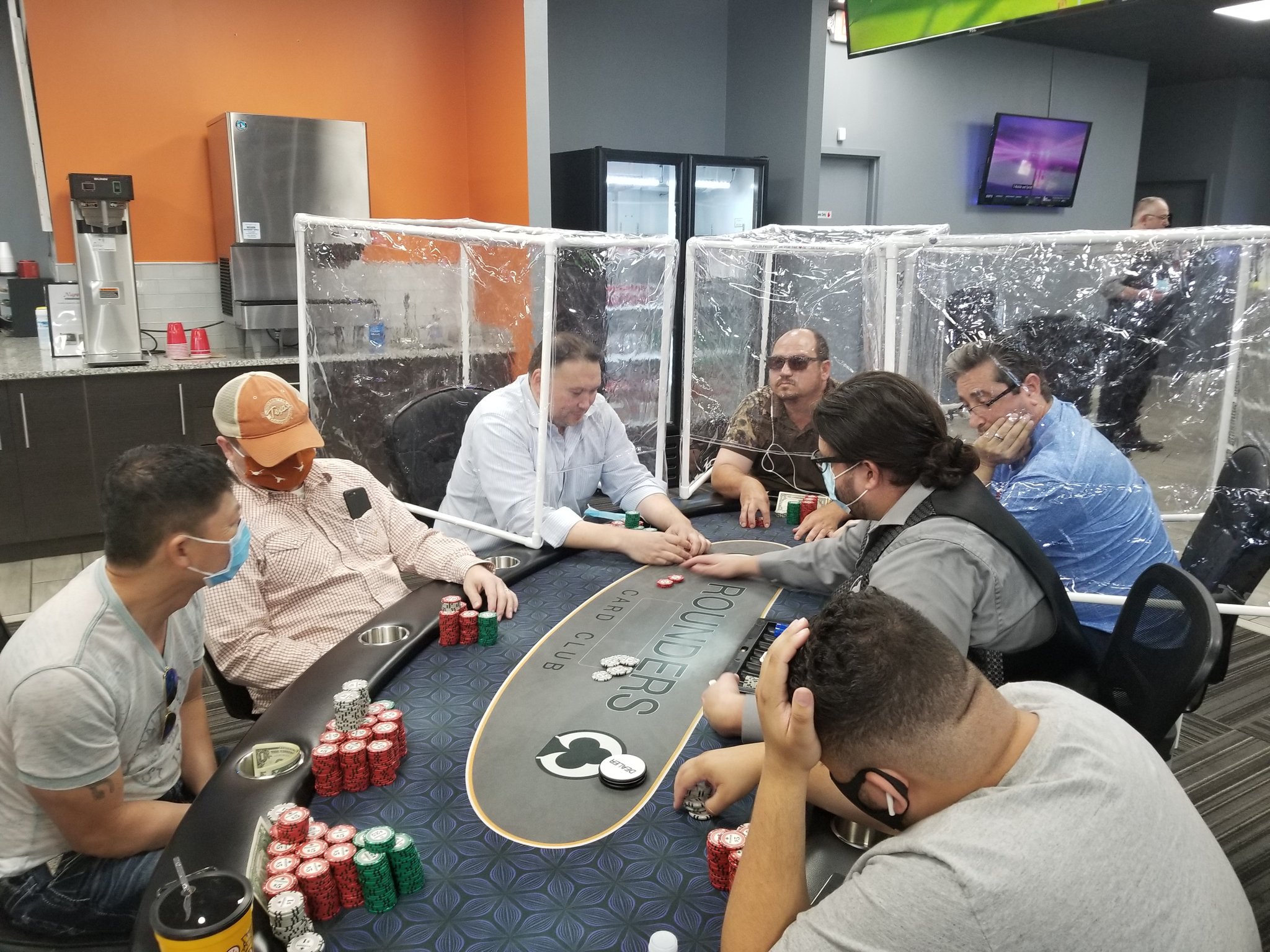
The lockdown era, this was particularly rife; everyone on poker Twitter was, overnight, an expert on viruses. In reality, this was something nobody alive had lived through, and nobody knew how it would unfold.
I would argue that those players lucky enough and smart enough to have made a living from the game, starting in their younger years, have perhaps lived a more sheltered existence than most. Especially when it comes to money and how most of the world uses it.
There is no doubt that poker players can make a successful transition from the game to other endeavours, and bring something much needed to that field. But thinking you know how economic policy should be changed because you are skilled at thin value betting rivers is perhaps not the best place to start.
What theories from outside of poker have helped your game? Let us know in the comments.
