


Self Study: Why do we reraise with a blocker when Villain is so strong?
Our opponent has range advantage but we still decide to raise them, is the blocker we hold the key to this surprising spot?
We return to our series where Barry Carter tries to plug a leak of his with the help of a professional poker player. Previously he solved how to play against a disconnected player and why we overshove AK sometimes.
Reviewing a hand in a post flop solver, I was surprised at the action the solver took. It was a 30BB pot, Button vs Big Blind. We opened K 6 and get called. The flop was A 6 5. The Big Blind checks, we bet 1.4 big blinds, they call.
The turn is 2 and the Big Blind leads for 2.1 big blinds. In-game my personal action was to call, but the solver reraised here to 7.7 big blinds. This really confused me.
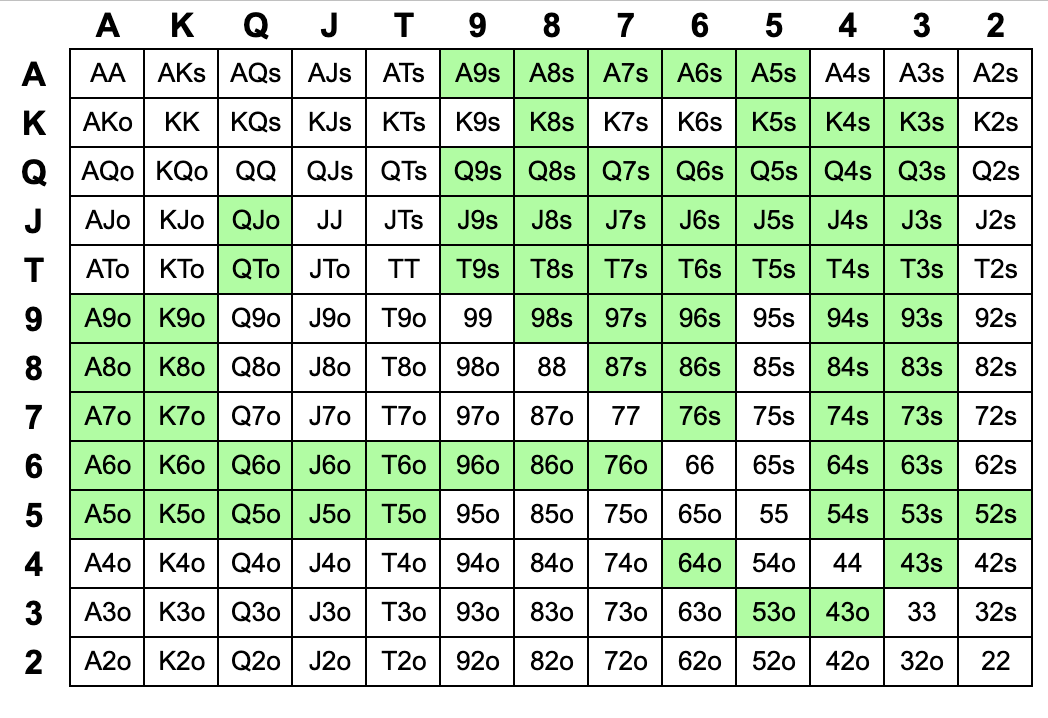
This was the turn leading range for the Big Blind:
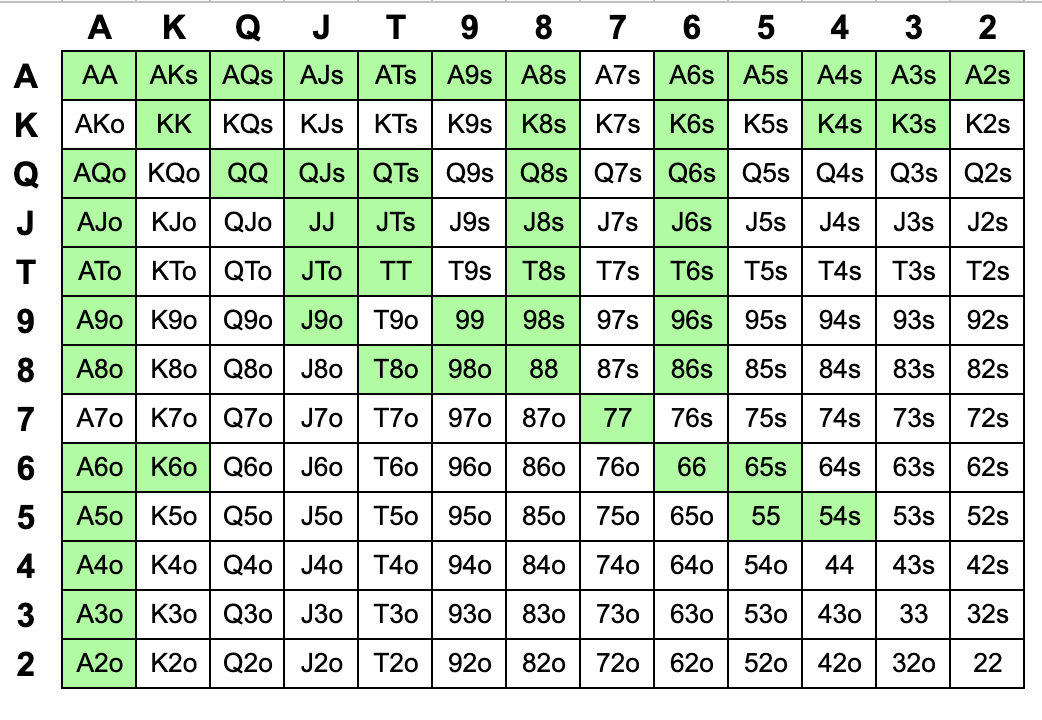
And this was the raising range on the turn for the Button:
I understood entirely why the Big Blind led out on this turn. They called preflop with a wide range and they had range advantage. They could have a straight while we can't, plus they have more two pair/pair and draw type hands on this board.
With that in mind, why do we reraise, in particular with our exact hand of K6s? I have my suspicions but I wanted to run it by my coach and co-author Dara O'Kearney.
Line check time

Barry Carter: So I knew Villain had range advantage and the only explanation I can come up with for why we reraise them is because most of their range advantage is built on 6x type hands. Given we have the 6 blocker, that makes it more likely they are range betting with the weaker part of their range.
Dara O'Kearney: Your reasoning is correct. He is leading with a lot of draws and value hands we beat, so we can get called by worse. Also our hand is strong but not so strong that we cannot easily fold if he raises again.
Barry Carter: So why don't we turn the hand into a bluff catcher, which would keep the pot small when we are behind and keep his worse bluffs in?
Dara O'Kearney: Our raise works like a blocker bet. If we just call he can bet big on the river and put us in pain with lots of our range. By raising we make it more likely he just calls then checks river with hands he would have barreled, then we can check behind.
Barry Carter: So while it seems like a very aggressive option, to reraise a lead with second pair, it is actually a low variance option? It's to take the pot down now and keep it cheaper when they continue.
Dara O'Kearney: Yes. This is a very common play in Limit Hold'em on flop. Because the bet size doubles on the turn, you often raise in position with marginal hands and draws on flop so you get to see river more cheaply when turn goes check check.
Thoughts on the hand. Let us know in the comments:
