


GTO Poker Theories - Black Box Thinking
A lesson from the world of aviation today - earn from your biggest failures so they never happen again.
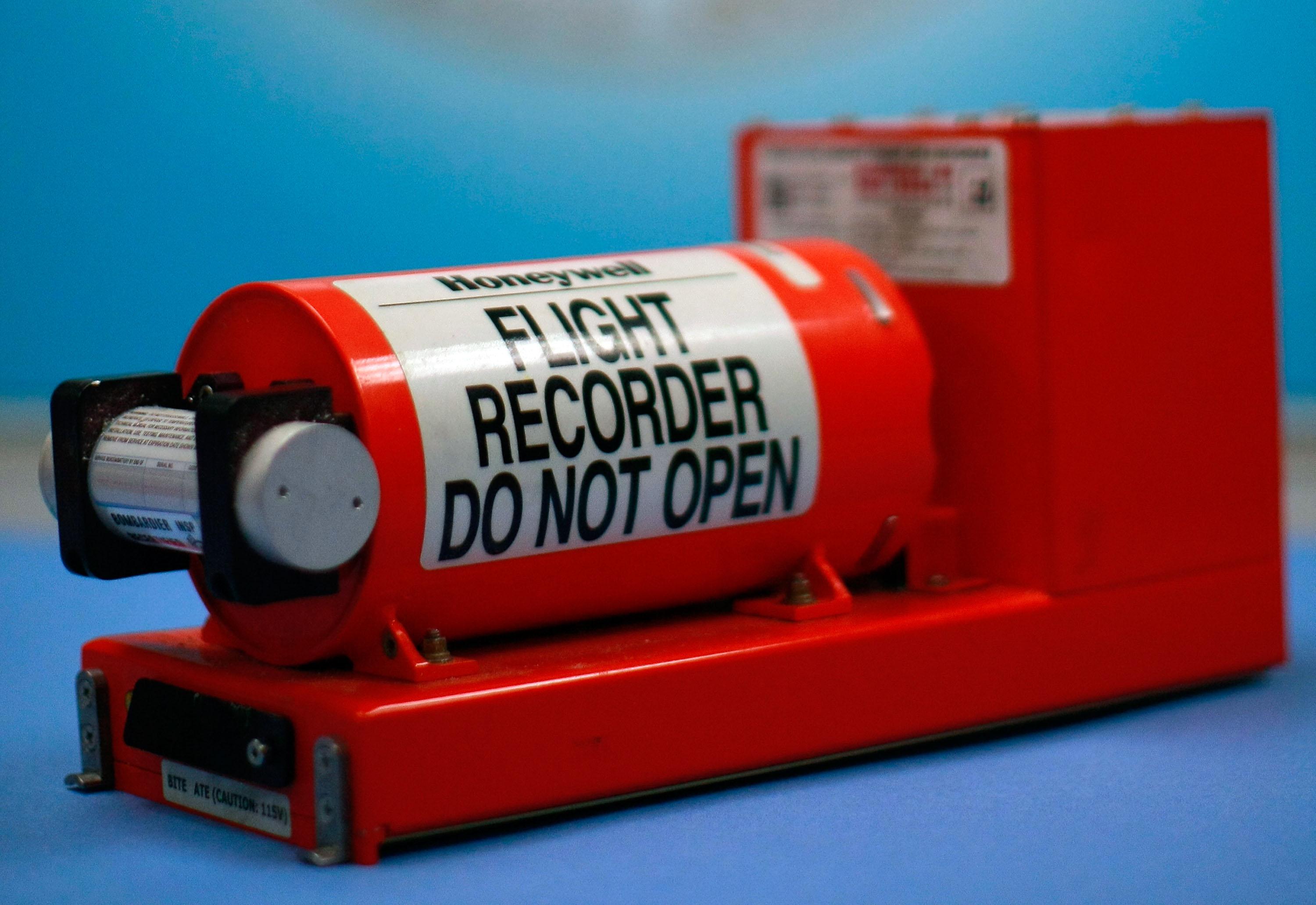
One of the real gifts poker has given me is that it has been a great jumping-off point to learn things from other disciplines like economics, AI, psychology, and Game Theory. So here is a series of articles where I bring some of the most interesting things I have learned from other subjects outside of poker that are applicable to this game we know and love.
In the complex world of problem-solving, continuous improvement, and innovation, the term "Black Box Thinking" often emerges as a guiding principle. It encapsulates a mindset that views failures and mistakes as powerful catalysts for learning and progress.
Black Box Thinking is premised on the belief that failures and mistakes, rather than being impediments, are opportunities ripe for learning. The analogy stems from the aviation world, with the term "black box" referring to the flight data recorders present in aeroplanes. When an accident occurs, this black box is instrumental in pinpointing what went awry. These insights enable the aviation industry to bolster safety and thwart similar incidents in the future.
The airline industry's dedication to using black boxes and Black Box Thinking is exemplary. Despite being one of the safest modes of transportation, the industry doesn't rest on its laurels. Every mishap, however minor, is scrutinized with precision. The data from black boxes is meticulously analyzed to uncover not just overt errors but subtle inefficiencies or imperfections that may compound over time. This relentless pursuit of perfection, informed by a transparent acknowledgement of flaws, has resulted in continually improved safety standards and protocols, making modern flight an astonishing feat of reliable engineering.
Review the hands you butchered
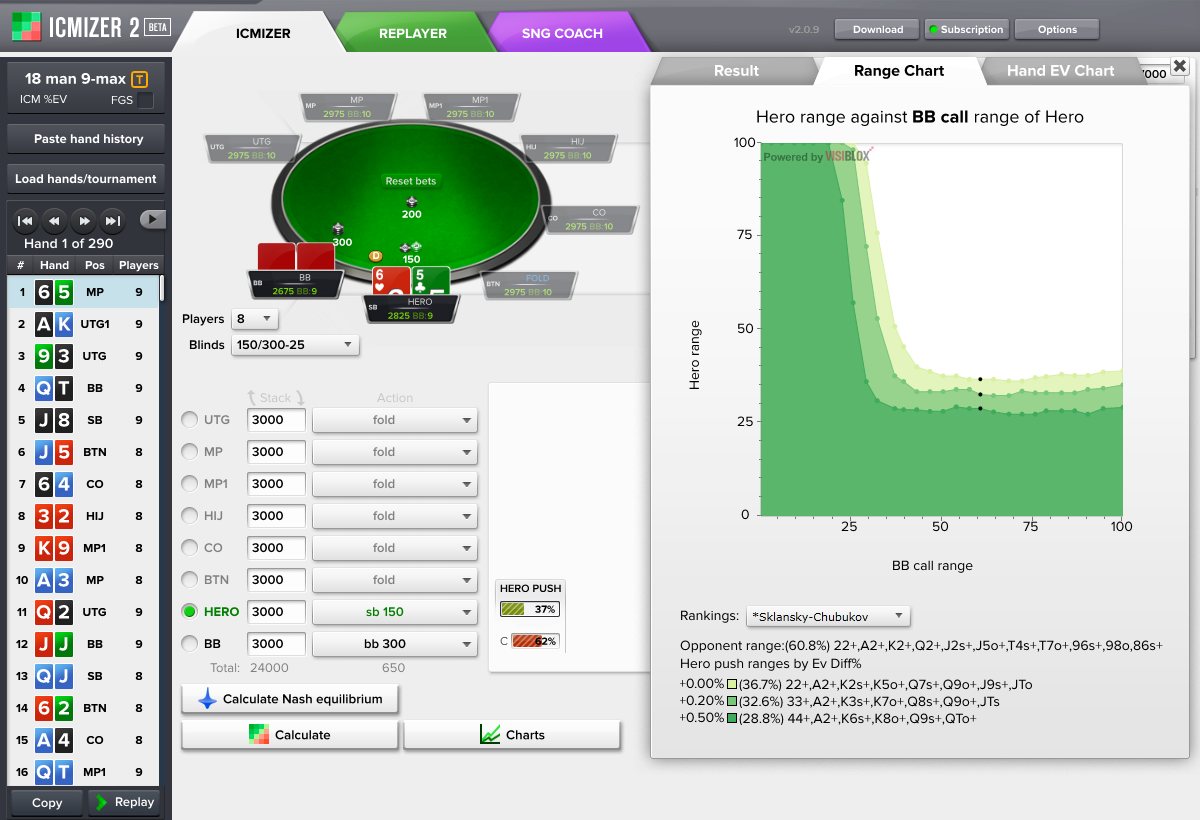
In the world of poker, I strongly believe that studying the hands you messed up (rather than the biggest pots and/or biggest coolers) is the most valuable use of your time.
It's a painful experience, but the pain is instructive, and you remember the lessons more deeply. Sharing a hand you butchered on a forum or with a coach is like being thrown to the lions, but it teaches you the most.
I've interviewed hundreds of successful poker players and all of them have a process of reviewing their hands after play. It could be with a solver or it could be just discussing them with friends, but they all do a post-mortem on their session - the good, the bad, and the ugly. I also believe the Twitch streamers learn quicker than most players because their absolute worst moments are dissected by hundreds of poker players, every time they play.
Mental game coach Jared Tendler is a strong advocate for prioritising your biggest leaks for the same reason. They hurt the most and likely boost your ROI the most. Your biggest leaks are also easy to identify, so no issues in knowing what to work on next.
All of this is the poker version of Black Box Thinking. It is taking your biggest missteps and making sure they don't happen again.
Black Box Thinking isn't about celebrating failures like some self-help gurus seem to advocate, but about understanding their inherent instructive value.
What theories from outside of poker have helped your game? Let us know in the comments.
Related articles
