


GTO Poker Theories - Mimetic Desire
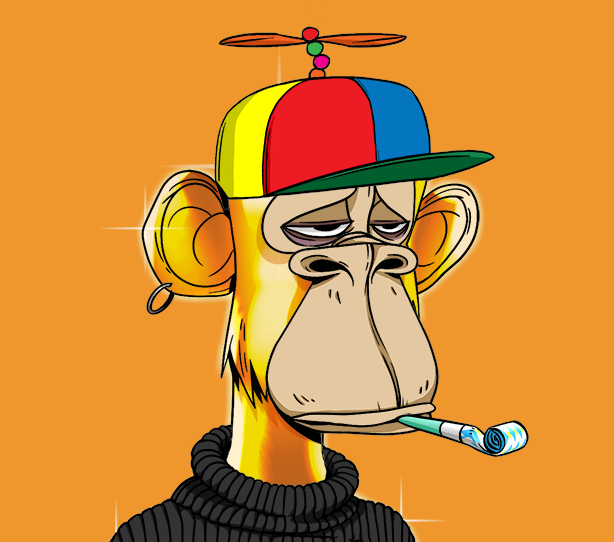
We want what other people want, whether that is a new watch, an NFT or a World Series of Poker bracelet.
One of the real gifts poker has given me is that it has been a great jumping-off point to learn things from other disciplines like economics, AI, psychology, and Game Theory. So here is a series of articles where I bring some of the most interesting things I have learned from other subjects outside of poker which are applicable to this game we know and love.
Mimetic desire is a concept developed by the French thinker René Girard. He observed that people often imitate the desires of others, rather than forming their own independently. In other words, we want things because others want them. This happens in everyday life. Someone might suddenly want to buy a certain watch or move to a particular area, not because it suits their needs, but because people they admire have done the same.
In financial markets, mimetic desire plays a major role in bubbles and herd behaviour. For example, during the cryptocurrency boom, many people bought Bitcoin or NFTs not because they believed in the technology or understood the risks, but because others were making money and showing it off online. As more people copied this behaviour, prices rose quickly, attracting even more attention, until the market eventually crashed.
Understanding mimetic desire helps reduce the risk of being caught in trends that are driven more by social pressure than by good judgment. It encourages people to reflect on whether their choices are truly their own or just copied from others. In risk management, this awareness can lead to more stable decisions and fewer costly mistakes.
Wanting what other poker players want
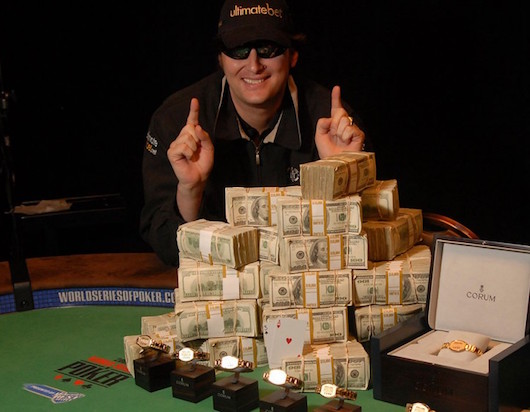
Many would assume poker was all about the money, but in tournaments, at least, it is anything but.
There are so many things we covet that have a marginal financial value at best, but we see others get them, and we want the same. Trophies, for example, were a particularly strong mimetic desire of my own, as until very recently I had never won a live tournament (thinly veiled brag).
Hendon Mob flags are another example, literally no monetary value, but we desire new ones more than we do the money itself sometimes. In fact, sometimes chasing them can cost us a lot of money, especially with the travel costs associated.
The best example of mimetic desire, however, has to be WSOP bracelets. With the exception of a few events (most of which were won by Michael Mizrachi this year) there are arguably many more prestigious events out there. An EPT Main Event, the WPT Championship or even things like the Irish Open. And the bracelet itself is so saturated, there are way too many of them.
But if you don't have a bracelet, you want a bracelet, precisely because all the big names in poker have a bracelet. It makes no sense until you frame it in terms of mimetic desire.
What theories from outside of poker have helped your game? Let us know in the comments.
