


How to adjust when nobody folds
Should you play tighter or should your range be wider when nobody is prepared to fold against you? Dara O'Kearney shares an old school lesson that holds up.

A lot of students have been coming to me with PKO hands this year, in part because they know I am about to release a book on the topic which I co-authored with some nobody. There are a lot of misconceptions about how to play in PKOs, people know they have to widen their range to win bounties but are not sure by how much.
One area where people seem to have got things backwards is how to play when they cannot win a bounty, when they are short stacked. The conventional wisdom is to play mostly like it’s a regular MTT, which is not terrible advice. Another prevailing idea is that you should actually play tighter than a regular MTT, because you can never bluff, which is actually bad advice.
The truth is you can actually get your money in wider as a covered short stack, but not as a bluff, purely for value. In a PKO high cards go up in value not because they can make strong hands but because they can win without improving.
It is not unreasonable, for example, to shove with a hand like Q9o from the Button with 10 big blinds and expect to get called by a hand you beat. You will regularly see people call with jack high or small suited connectors in spots like these, even more so if you have a big bounty. Post flop don’t be surprised to check raise all-in with a draw and get called by a worse draw. You routinely find yourself check raising with a hand like KQ on a 2-9-T board and getting called by a hand like JQ, which you not only dominate you also block their draw.
Short stacks = no domination
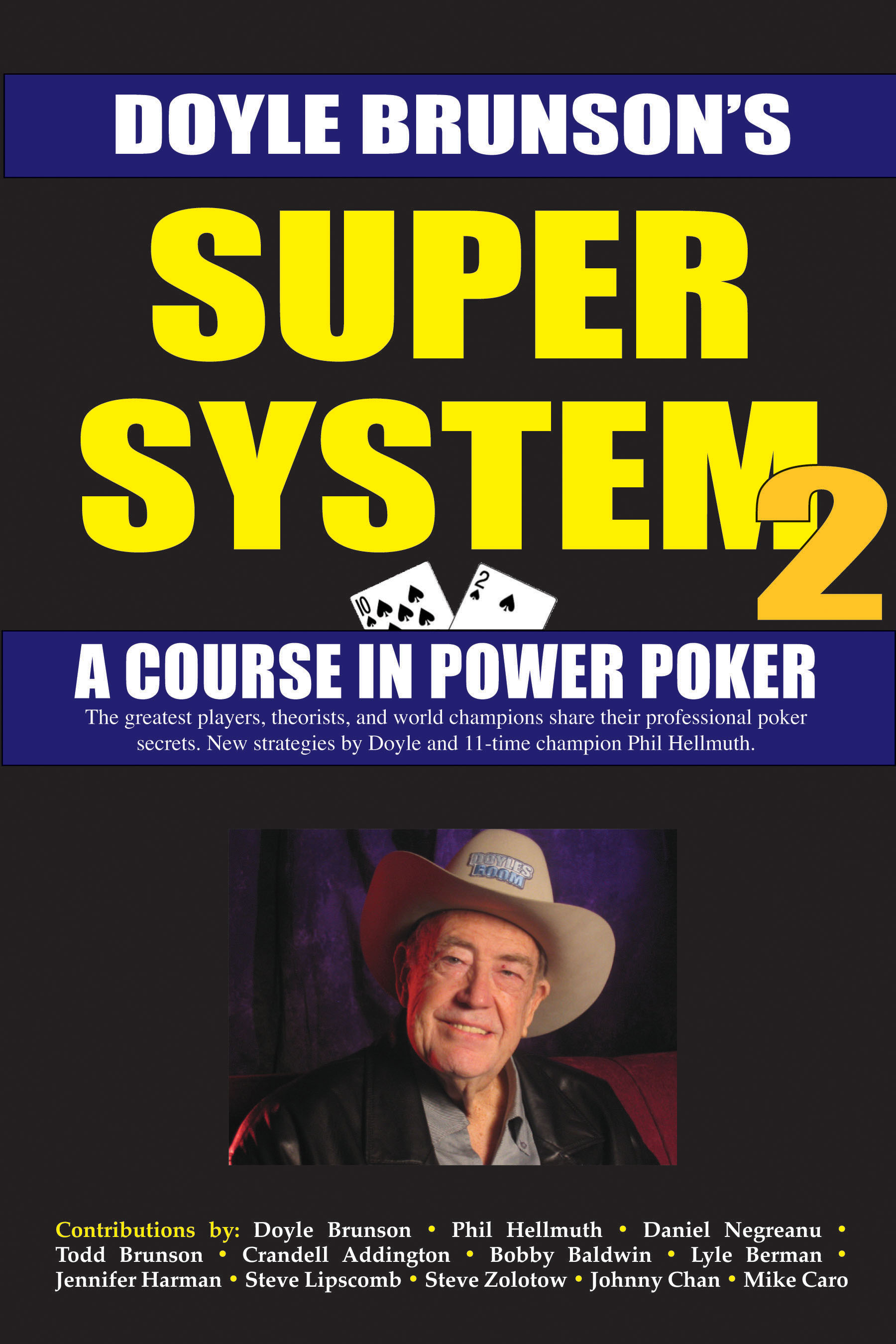
It is quite hard for people to adjust to widening their range for value in spots like these, I think I developed an instinct for it early in my career. In SuperSystem II Jennifer Harman wrote the section on Limit Poker, which stood the test of time. She made a comment which stuck with me that when the stacks are short, you don’t worry about domination, you are just unlucky if you are dominated.
I took that lesson to No Limit tournaments. There are general principles in tournaments like when the stack-to-pot ratio is 20 you don’t get it in with top pair, when the stack-to-pot ratio is five you never fold top pair. The playability of a hand depends on the stack-to-pot ratio, when it is 20 a hand like JT is great because you can win 20 times what is already out there, when it’s five it is a bad hand because your win is capped when you hit your speculative hand.
Early in my career I had been crippled on the bubble of the JP Masters. I looked down at K6o and my first reaction was to fold, but then I remembered the Jennifer Harman line about not worrying about domination. I ended up calling with it, hitting a King, check-raising all-in and tripling up. I remembered thinking if there was another King out there, I was less likely to hit the King and get in trouble. That was a big Eureka moment, realising when you are dominated you are far less likely to hit.
Basically, when the stack-to-pot ratio is low, you can get more people to call with worse. If you hit top pair with a stack-to-pot ratio of 20, you are only getting called by a better hand. When it’s only five big blinds to call you’ll get looked up by any pair or a draw. A PKO situation is similar. The stack-to-pot ratio is lower than it looks because of the bounty. If you shove 40 big blinds into a five big blind pot, the stack-to-pot ratio is normally 8. However, in a PKO the bounty might be worth another 15 big blinds, suddenly the stack-to-pot ratio is 2, so you can value bet more hands.
The conventional wisdom says you cannot bluff in PKOs and that might be right. That’s not a bad thing, it’s an opportunity to extract more chips with hands you normally would never show up with.
If you want to find out when Dara's new book is out, he is announcing it first on his mailing list. which you join right here.
More from Dara O'Kearney
- Just how valuable are blockers when calling a bet?
- Board Coverage
- When to fold Aces preflop in a satellite
- ICM masterclass with Dara O'Kearney and Collin Moshman
- Equity vs 'Best Hand Right Now'
- The most important concept in PKOs
- Does my hand benefit from folds?
- How to play a capped range
- Do you know your multiway equity?
- Some bluffs are better than others
- How to think in ranges
- Reliable online poker tells
- How to prepare for a big final table
