


GTO Poker Theories: The Four Types of Luck
You can't control the cards but there are ways to put yourself in more positions to get lucky, when you understand the different types of luck.
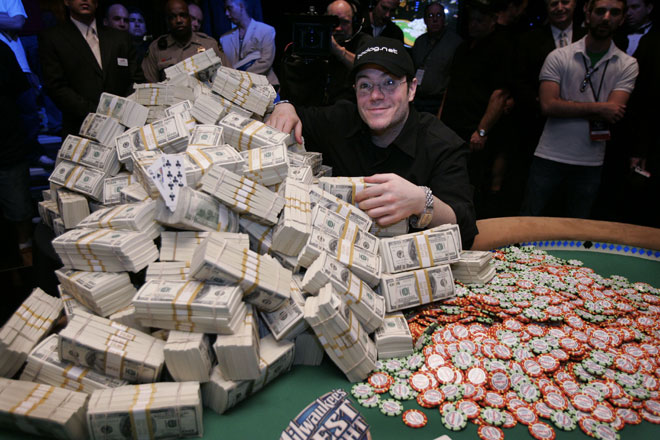
One of the real gifts poker has given me is that it has been a great jumping off point to learn things from other disciplines like economics, AI, psychology and Game Theory. So here is a series of articles where I bring some of the most interesting things I have learned from other subjects outside of poker which are applicable in this game we know and love.
The whole point of poker is that it is a game of luck which you can play skilfully. The definition of a fish in this game is a player who lacks skill and therefore can only win because of luck. But is it possible to influence luck? The short answer is - no, of course not. You certainly cannot influence the outcome of a random turn of a card, but it is possible to put yourself in a better to position to get lucky than you are currently in.
Neurologist Dr James Austin identified four different types of luck which when you understand them does give a little insight into how to make it more likely to be around when the luck rears it's head.
Before I go any further, I want to make it abundantly clear that we are not talking about gambling here. I am making an assumption that you understand we are still talking about playing poker in a strategically sound way, not calling all-ins with rags or playing outside of your bankroll in the hopes of getting lucky.
Blind luck is bad, but persistence is good
The first type of luck Dr Austin identifies is blind luck and this should make perfect sense. It is literally the luck somebody has when the beneficiary played no role in the outcome. Winning the lottery or finding $20 on the street is a simple example of this.
The second type of luck is the luck which is influenced by persistence. If you enter free prize draws for example. If you enter one of them and win you are pretty lucky, if you enter 100 of them every week and you win a few it was still chance, but your persistence made it much more likely. You put yourself in more positions to get lucky than somebody who entered no competitions at all.
The third type of luck is referred to as observed luck. This is the sort of luck where a skilled participant can spot the opportunity to get lucky better than the layman. Early adopters of Bitcoin could argue they have this kind of luck, they didn't have any influence on the price but they may have seen something in its utility that others did not. To outsiders it still just seems like blind luck.
The final type of luck is the fortune that finds you because of your unique skills and talents. People like Bill Gates and Warren Buffet have so many opportunities that most people do not, precisely because of the previous success they have had.
Game selection
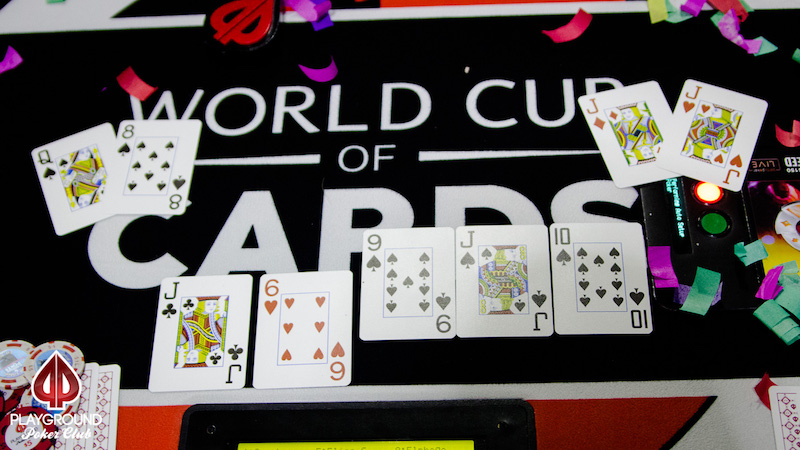
The chances are you are already filling in a few blanks where poker is concerned here. As mentioned at the start, we should completely discount blind luck and not seek to encourage it in our own games. The persistence luck, however, is something we can play around with.
A good example of embracing persistence luck would be entering the promotions provided by your poker room, for example the Mission promotions most have. If the rake doesn't make the game unplayable, things Bad Beat Jackpots would be another good example. You could even say that playing Lottery SNGs rather than HUSNGs is an example of this, assuming you can beat them without the multipliers. These are all examples where you should be able to make a profit in the normal poker way, but simply by opting in you give yourself a chance to luckbox a huge prize.
An example of observed luck in poker would be your game selection. If you had a policy of only playing tournaments with big guarantees then occasionally you have a chance of having a big score in an overlaid tournament without having to navigate through a massive field.
The Matthew Principle
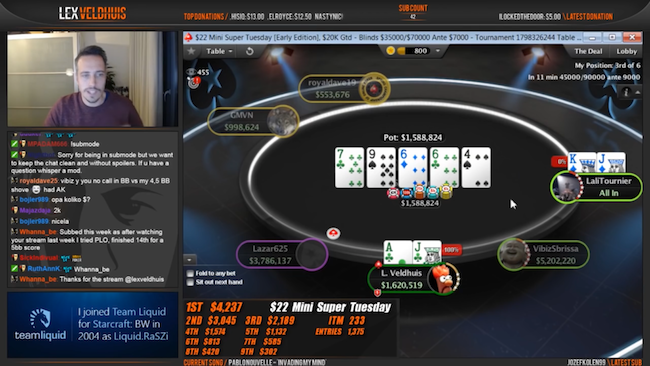
The luck that finds you includes the benefits that come with establishing yourself either as a good player or a marketable player. Until recently, winning big events like the WSOP would bring about this kind of luck because it would get the champions sponsorship deals and invites to big games. Being a good player brings you the fortunate side effect of being at least able to get staked into big games. Putting the hard work in to be entertaining and creating content on Twitch and YouTube is currently bringing a lot of good fortune to a lot of players in the form of endorsement deals. A lot of the people who won Platinum Passes last year are also examples of this kind of luck, they had unique brands that won them their passes.
These three forms of luck run parallel with the Matthew Principle, the idea that success begets more success. Once you start doing the right things, invisible doors start opening for you in other areas. It could be argued that successful people tend to work harder and get luckier than most.
If you think you can actually control chance you are an idiot, but you can put yourself in a position to get lucky more often. As Wayne Gretzky said, you miss 100% of the shots you don't take.
What theories from outside of poker have helped your game? Let us know in the comments.
Related articles
