


GTO Poker Theories - The Peltzman Effect
Do we take more risks when safety measures improve, and likewise do we gamble recklessly when the bubble bursts?
One of the real gifts poker has given me is that it has been a great jumping-off point to learn things from other disciplines like economics, AI, psychology, and Game Theory. So here is a series of articles where I bring some of the most interesting things I have learned from other subjects outside of poker which are applicable to this game we know and love.
The Peltzman Effect describes a form of risk compensation: when people feel safer because of a protective measure or regulation, they often respond by taking greater risks, thereby offsetting some or all of the intended safety benefit. Named after economist Sam Peltzman, who studied automobile safety regulations in the 1970s, it highlights how human behavior can undermine well-meaning interventions.
For example, when mandatory seat-belt laws were introduced, analysts observed that while seat belts did reduce fatalities in individual crashes, overall traffic deaths didn’t fall as much as expected. Drivers, feeling more secure, would drive faster, follow more closely, or pay less attention—behaviors that increased the likelihood and severity of collisions. The protective gear made them subconsciously willing to accept a higher level of danger.
A more everyday illustration might be a cyclist who buys a high-end helmet and, as a result, rides through busy intersections with less caution. The helmet provides genuine protection in a fall, but the rider’s increased confidence can lead them to tackle riskier routes or ignore traffic signals. In effect, the safety device changes not only the outcome of an accident but the rider’s willingness to flirt with one.
Bubble dynamics
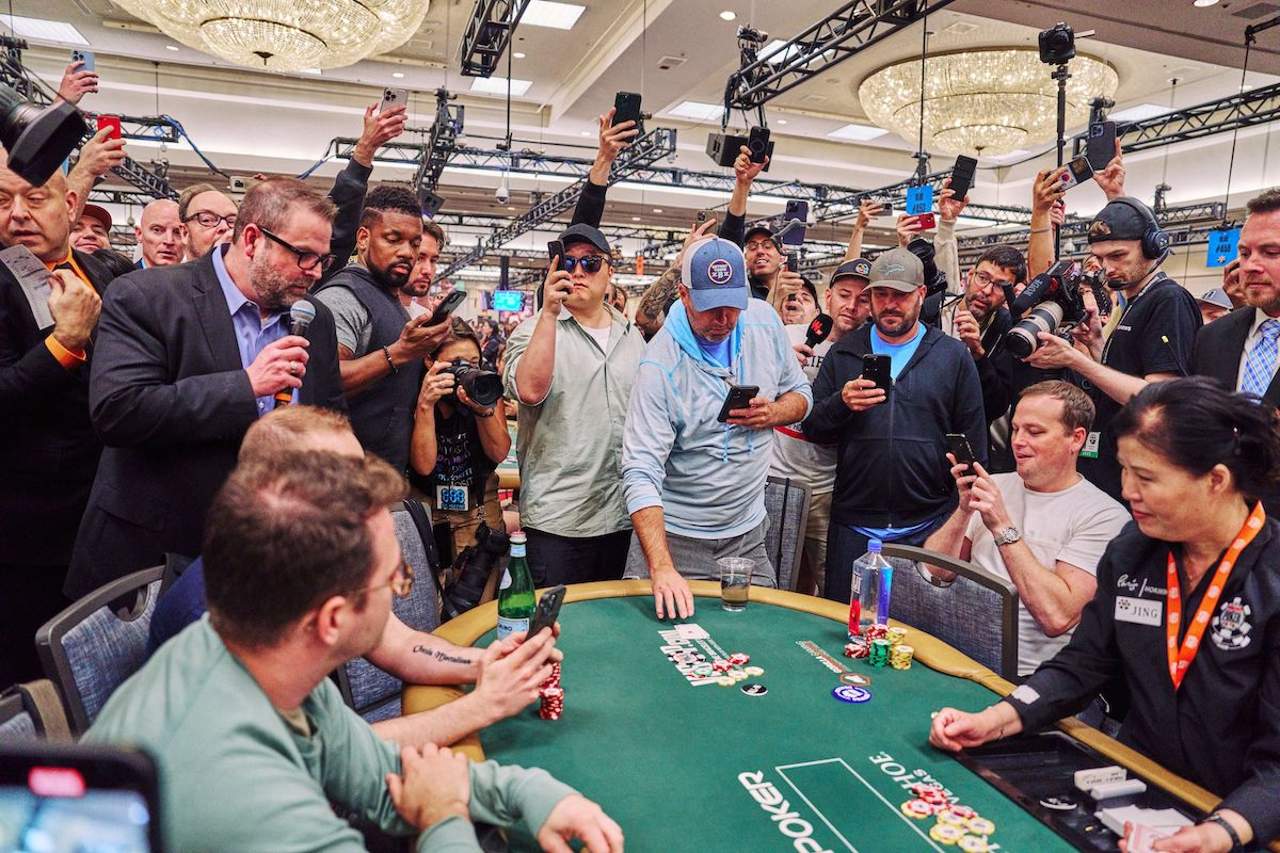
When I heard about the Petltzman Effect, I immediately thought of how people play just after the bubble has burst in poker tournaments.
A lot of amateur players play way more recklessly than they should, and gamble way too much, because they have that safety net of having cashed. They tell themself it is "time for a spinup" and play suboptimatlly as a result.
It's ironic given how extemely tight the same players will play before the bubble bursts. In that respect both sides of the coin are easily exploited, you can play super aggro before the money against the player population and then very tight waiting for them to spew just after the bubble burts.
What theories from outside of poker have helped your game? Let us know in the comments.
