


Playing the Flop When Considering Texture and Images
Introduction
In this article
- Why you should make a plan before the flop
- How you proceed on different flops
- What is important about the table image

Proper preflop strategy requires basic fundamentals, but flop play starts the thinking part of the game. The skill gap between players widens dramatically as the community cards come out. Getting dealt AK preflop and raising would make for an easy game if the hand ended there. However, the complexity begins when you get called preflop, forcing you into trying to win the hand after the exposed cards are dealt. Developing a sound postflop strategy will greatly improve your ability to be a winning player.
With the flop, the art of poker begins
Solid flop play is the foundation for building strong skills on the turn and river. Therefore, this article will focus on how you should think about the hand once the flop is exposed. As always in poker, there are no absolute ways to play a hand, but understanding all the variables will strengthen your game.
Making a plan before the flop
It is very important to have a flexible plan for playing the flop, even before the cards come out. Consider your opponents' images, how they view you and the possible flop textures before you commit to playing the flop. After all, you wouldn’t only start to fasten your seatbelt during the actual accident.
This is not as complicated as it sounds and once you practice making your flop plan before you see the cards, it will become instinctive. For example, if you call a raise preflop in position against a tight-aggressive player with 77, your general plan should be to call a continuation bet on a dry board. The benefit in having a plan is that it alleviates indecisiveness when the flop comes. With indecisiveness come mistakes and mistakes leads to losses.
Wet flop/dry flop, how do we proceed
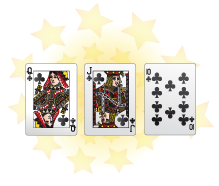
Flop texture helps indicate the likelihood that the three cards in the flop will improve a player's hand by giving him pairs or draws. A "wet flop" is has a high probability of improving a hand, while a "dry flop" is on the lower end of the spectrum. An example of an extremely wet flop is 

 , an extremely dry flop would be
 . Looking at the first hand, you can see all the possible draws created and all the broadway cards that can make pairs and multiple pairs. The second hand contains no draws and only one broadway card, making two pair unlikely for most players. These two hands are on opposite ends of the spectrum.


 is still considered a wet flop due to the two spades and relatively few gaps to fill in a straight. Most connecting and non-ace hands will hit this board in some way. Conversely,
 , even though it also contains two spades and connecting cards, is a dry flop. Unless your opponent plays like Gus Hansen he will most likely not connect with this flop.
The probability that your opponent's hand has improved on the flop will help you decide how to proceed. You should consider flop texture carefully because it is a good indicator of whether your opponent improves his hand, which is a major advantage to you.
When you are the preflop raiser, the drier the texture is and the greater the chance your opponent will miss the flop; giving your continuation bets (c-bet) a greater chance of being successful. Therefore, you c-bet more frequently on the dry flops you miss. However, if you hit a dry flop, you will have to decide how to extract the most value from your opponent, knowing that he probably hasn’t improved. Slow-playing or betting to induce a bluff are a couple of effective strategies. Conversely, the wetter the flop texture the higher the chance that your opponent has improved his hand, so slow down on the c-betting when you do not hit the board. If you do happen to improve on a wet flop, depending on how much you improve in relation to how wet the board is, betting or check-raising for value are good plays.
When you are not the preflop raiser you still must consider the flop texture. A competent opponent will factor in what cards the flop brings in much the same way you do. Knowing this, if your opponent c-bets often, you may want to float him when you miss. The idea is to take down the pot on the turn. I suggest you also mix raising in position or check/raising out of position because he will bet his misses on dry flops fairly regularly.
Table images
Your opponents’ images and how they view you will also impact the playing line you take on the flop. Like the texture of the flop, this is an indicator as to whether your opponent has improved; players' images will also be a factor as to how you play the flop.
If you are preflop raiser and your opponent is a tight-aggressive player (TAG), you want to c-bet more when you miss. If you improve your hand against a TAG out of position, try check-raising for value. A good TAG will try to take down the pot if you show weakness, especially on the drier boards. If you miss on a wet flop, you might want to check to a TAG with the plan to bet the turn if he checks back to you. When hitting a wet flop playing against a TAG, make a value bet because he will usually foil your check-raise plans by checking back with medium strength hands or draws. In general, tight-aggressive opponents will c-bet dry flops and give up on the turn. They also like to check-fold wet flops not wanting to commit more money on a scary board, providing you an opportunity to take down the pot with a bet.

A loose-aggressive player (LAG) will often bet the flop regardless of the texture. Knowing your opponent is betting fairly often when checked to also factors into defining the line you take on the flop. Hitting a big hand on a dry flop, you want to check-call the LAG with the intention of check-raising a blank on the turn. If you miss a dry flop against a LAG, keep your c-betting lower than you would against a TAG. Mix things up now and then and throw in a check-raise. Improving your hand on a wet flop against a LAG you should check-raise as there is a high probability he will bet when checked to. Totally missing a wet flop should result in you check-folding. Check-raising with a draw on the flop is a good move to mix into your repertoire against a LAG.
Understanding how you are viewed is crucial. If you have a LAG image your c-bets will hold less value when you miss, so you should be prepared to fire a second bet at times to take down the pot. When perceived as a LAG, your opponents will instinctively not believe you are capable of having a hand regardless of the flop and will call you lightly. You can therefore play the flop fast and extract good value. Even medium strength hands should be played for a value bet on the flop due to your image increasing their value.
Playing the flop when viewed as a TAG will cause other players to pay you off less, but they will readily fold to your c-bets. Also consider carefully that some of the better players might look at your TAG style as predictable. They will be more apt to float your c-bets and bet if you check to them on threatening boards. You will need to make adjustments to catch your opponents off guard. This means you will sometimes check-raise your wet flop misses and check-call the dry flops looking to take down the pot by leading the turn. Mixing in a few different lines on the flop will cause your opponents to over-think your plays. Over-thinking leads to mistakes; more mistakes lead to more expected value for you.
Playing AK on the flop
Some of my students have difficulty playing AK and I felt it important to touch on how to play this seemingly tricky hand on the flop. The problem we face when playing AK is that it loses much of its value when the flop comes out, but still gives you outs with over-cards and retains some showdown value. So what is the most effective flop strategy with AK?
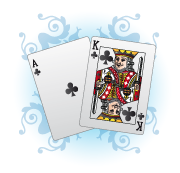
Out of position you are first to act. Upon missing, you should bet out on all but the wettest boards. Remember the flop texture, your opponents’ image, and how they view you will be considered by your opponent when deciding if he will float you or call lightly. Therefore, double-barreling with a turn bet a fair amount of times when you miss should be part of your plan after your c-bet gets called by a solid player. If you get raised on the flop, fold. If you do bet the turn and get raised, fold here too.
Lets say we have AK in position. Your opponent donk bets the flop while you do not improve. If the flop is dry, you should raise because most of your opponents will fold their mediocre hands to a raise, which are hands that are better than your highcards. Against the hands your opponent calls with, you should check behind the turn if you hand does not improve. The reason is that they will most likely not fold to a second barrell but you still have six outs against most of them. On a wet flop where your opponent donk bets, floating and reassessing on the turn is not a bad strategy. If the flop improves your AK in position, feel free to slow play a dry flop, but be wary if there are draws and you play the flop quickly.
Conclusion
Most players can learn proper preflop techniques from reading a few books. But playing postflop poker is a skill that needs to be perfected over time. It all starts with how you play the flop. There are many variables, such as flop texture, table images and position, that have to be factored into deciding which line you play.
I have seen terrible flop plays, even at the higher stakes. Too often, players will play their cards without a plan and give little thought to how coordinated the flop is, or the type of player they are playing against. You must play fluidly; your cards are just part of the equation. The better you play the flop, the more money you will win.
| LINKS | |||||
|
|||||


